






The Green Shift in Urban India
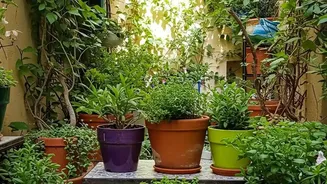
A quiet revolution is taking root on the windowsills and in the corners of India's metropolitan homes. The traditional image of gardening, with its demands of daily watering and constant care, is being replaced by a more practical approach. For many young
professionals and families in cities like Mumbai, Bengaluru, and Delhi, the fast-paced urban lifestyle leaves little room for high-maintenance hobbies. Yet, the need for a connection to nature has only intensified. This has led to a significant shift in preference towards plants that are resilient, adaptable, and forgiving. Nurseries and online plant stores report a surge in demand for species that can thrive with minimal intervention, fitting seamlessly into busy schedules and the spatial constraints of modern apartments. This isn't about lazy gardening; it's about smart gardening for a generation that wants the aesthetic and mental health benefits of greenery without the time-consuming commitment.
Why Less Is More for Today's Gardener
Several factors are fueling this trend. Busy work schedules, frequent travel, and smaller living spaces are primary drivers. An apartment balcony or a well-lit corner has replaced the sprawling lawns of yesteryear, making space-efficient plants a necessity. Moreover, many first-time plant owners are looking for an entry point into gardening that feels encouraging, not daunting. The fear of a plant dying due to a missed watering session is a real concern. Low-maintenance plants offer a buffer against such common mistakes, making the experience of nurturing a plant rewarding rather than stressful. This has made hardy species a go-to choice, as they tolerate a degree of neglect while still purifying the air and enhancing home decor.
The Unkillable Icon: Snake Plant
If there were a hall of fame for low-maintenance plants, the Snake Plant (Sansevieria) would be its star inductee. Known for its upright, architectural leaves, it is celebrated for its near-indestructible nature. It thrives in a wide range of light conditions, from bright spots to dim corners, and is exceptionally drought-tolerant, thanks to its ability to store water. In fact, the most common mistake with a Snake Plant is overwatering. Beyond its resilience, it's a top-rated air purifier, known to filter common household toxins. Its compact, vertical growth makes it perfect for small apartments where floor space is a premium.
The Resilient Beauty: ZZ Plant
The Zamioculcas zamiifolia, or ZZ Plant, is another favourite for the time-strapped plant parent. Its wide, dark green, glossy leaves give it a premium look, making it a stylish addition to any room. The secret to its resilience lies in its large underground rhizomes that store water, allowing it to survive for weeks without a drink. This makes it an ideal choice for frequent travelers or anyone prone to forgetting their watering schedule. The ZZ Plant is also remarkably tolerant of low-light conditions, making it one of the best choices for bedrooms, office spaces, or apartments that don't receive much natural sunlight.
The Cascading Classic: Money Plant
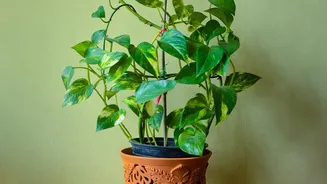
No list of easy-care Indian houseplants would be complete without the ubiquitous Money Plant (Epipremnum aureum). One of the most popular plants in Indian homes, it's cherished for its fast-growing, trailing vines and the belief that it brings prosperity. It is incredibly versatile and can be grown in both soil and water. The Money Plant thrives in bright, indirect light but can easily tolerate lower light levels. Its trailing nature makes it perfect for placing on shelves or in hanging baskets, adding a lush, green cascade to any space. It's also an effective air purifier, making it both beautiful and functional.
The Stylish Succulent: Jade and Aloe
Succulents have become a major trend, loved for their unique shapes and minimal water needs. Varieties like the Jade Plant and Aloe Vera are particularly popular in India. Jade, with its thick, woody stems and glossy leaves, is considered a symbol of good luck. Aloe Vera, known as the "miracle plant," is valued for its medicinal properties. Both are incredibly easy to care for, requiring bright sunlight and infrequent watering. Their ability to store water in their leaves means they can withstand dry conditions, making them a perfect match for sunny balconies and windowsills across different Indian climates.
The Forgiving Flower: Peace Lily
For those who want greenery that flowers without the fuss, the Peace Lily (Spathiphyllum) is an excellent choice. It is renowned for its elegant white blooms and its ability to thrive in low-light conditions, a common challenge in many apartments. The Peace Lily is also a fantastic communicator; its leaves will visibly droop when it needs water, taking the guesswork out of its care routine. As one of NASA's top-recommended air-purifying plants, it helps remove toxins from the air, making it a healthy and beautiful addition to any home.