




The Festive Breakfast
The culinary celebrations for Onam begin right from the morning of Thiruvonam. Before the grand sadhya takes centre stage, families gather for a special breakfast. These dishes are often simpler but are steeped in tradition and nostalgia. A common sight
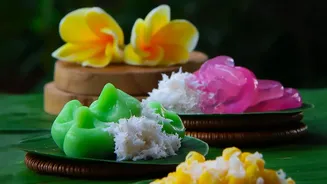
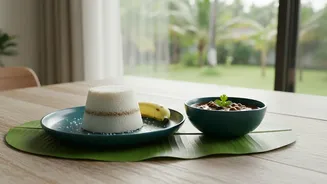
is 'pazham nurukku', ripe plantains steamed or gently sautéed with ghee and sugar. Another beloved item is 'ilayada', delicate rice flour parcels stuffed with a sweet mixture of coconut and jaggery, then wrapped in banana leaves and steamed. The gentle aroma that fills the house as these cook is the true scent of an Onam morning. Some households also prepare 'puttu'—steamed cylinders of rice and coconut—served with a simple parippu (dal) curry or ripe bananas, offering a hearty start to a day of festivities.
Crunchy, Salty, Sweet Snacks
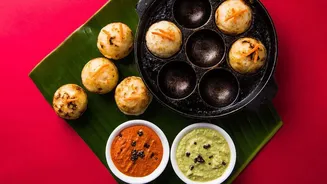
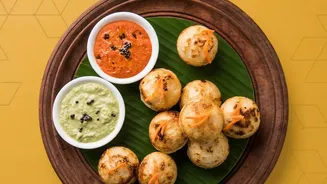
Throughout the ten-day festival, homes in Kerala are filled with the sounds of sizzling snacks being prepared in hot coconut oil. These 'palaharams' are not just accompaniments to the sadhya but are enjoyed throughout the day and offered to guests. Everyone knows the classic salty banana chips ('upperi'), but its sweet counterpart, 'sharkara varatti', is just as essential. These are thicker chunks of raw banana, deep-fried and coated in a dark, sticky syrup of melted jaggery, spiced with ginger and cardamom. Another classic is 'unniyappam', small, round fritters made from rice flour, banana, and jaggery, fried to a perfect golden brown. 'Achappam', the delicate, rose-shaped crispy snack made from rice flour and coconut milk, is another festive favourite that adds both beauty and crunch to the celebrations.
Regional Culinary Differences
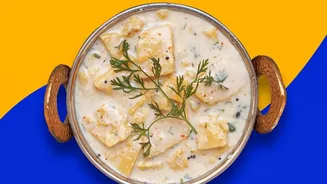
Kerala’s culinary landscape is not uniform, and Onam celebrations reflect this diversity. While the core idea of a grand feast remains, the specific dishes can vary significantly from region to region. For instance, in the southern Travancore region, the sadhya might feature a wider array of pachadi and kichadi (yoghurt-based dishes). In central Kerala, dishes like 'olan' and 'kalan' are given prominence. Theeyal, a rich, dark curry made with roasted coconut, is more common in some parts, while 'kootu curry', a hearty blend of vegetables and legumes, is a highlight in others. These regional variations showcase the local produce and unique culinary heritage of each area, making every Onam feast a slightly different experience.
The Northern Exception: Meat on the Menu
Perhaps the biggest surprise for those who associate Onam exclusively with vegetarianism is the tradition in northern Kerala, particularly in the Malabar region. Here, it is not uncommon for the Onam feast to include non-vegetarian dishes. Based on the local belief that one should eat their favourite foods during the festival, many families supplement the vegetarian sadhya with chicken, mutton, or fish preparations. This practice challenges the widespread notion of a purely vegetarian Onam and highlights the festival's inclusive nature, which often adapts to local culture and preferences. So, while a grand vegetarian sadhya is served, you might also find a flavourful fish curry or chicken fry alongside it, especially in Kannur and surrounding areas.