






What Exactly Is Happening?
Tonight, the planets Mercury, Venus, and Jupiter will appear very close to each other in the sky from our vantage point on Earth. While the headline calls it an 'alignment,' it's more accurate to call it a planetary conjunction or grouping. They won't
form a perfect straight line, but will be clustered together in a small patch of the sky. Venus and Jupiter are often visible, but the real treat here is the addition of Mercury. The innermost planet is notoriously difficult to spot because it never strays far from the Sun's glare, making its appearance in this trio a noteworthy event for amateur astronomers and casual sky-watchers alike.
When and Where to Look
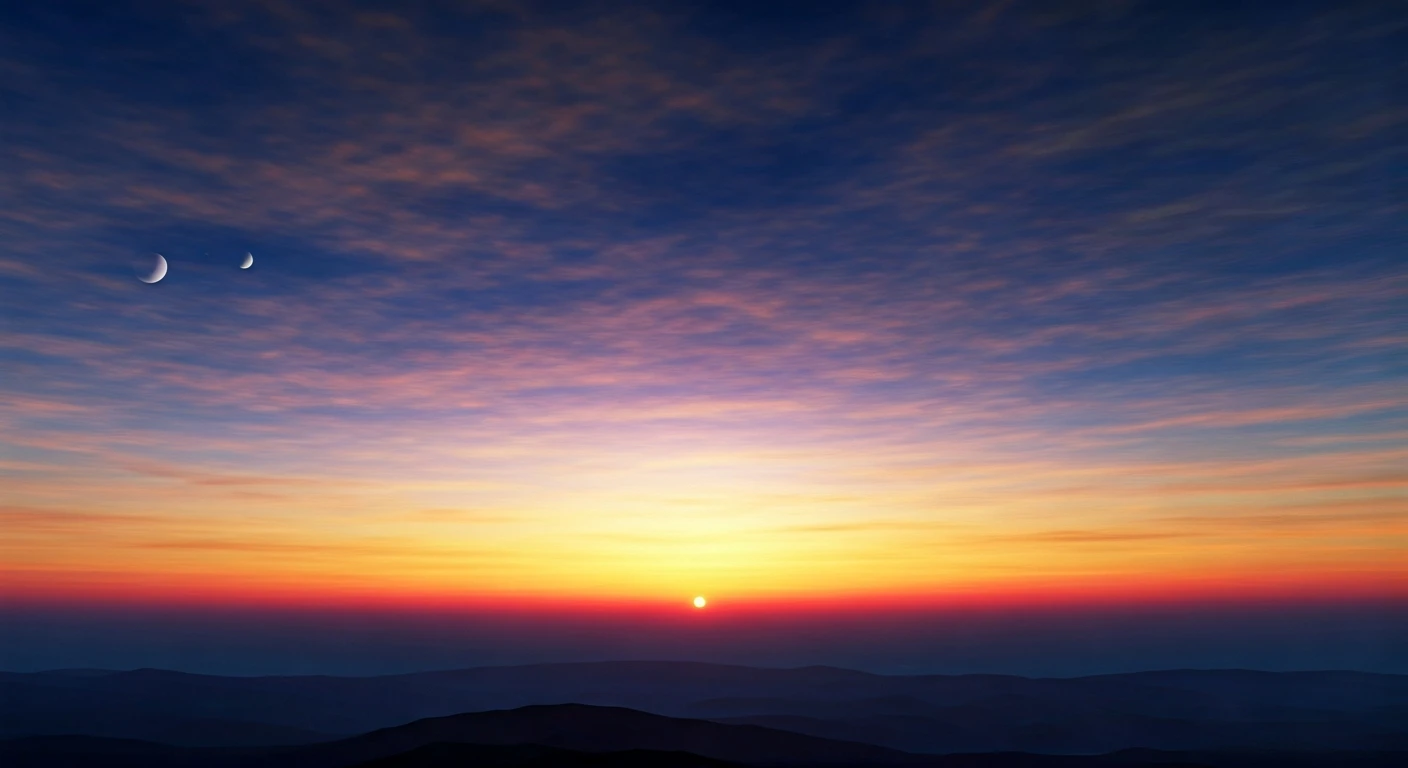
The key to seeing this planetary gathering is timing and direction. You’ll need to look towards the western horizon shortly after the sun has set. The best viewing window for most of India will be between 7:15 PM and 8:00 PM IST. The planets will be very low in the sky, so finding a spot with an unobstructed view of the horizon is crucial. Think rooftops, balconies that face west, or an open field away from tall buildings and trees. As the sky darkens, the planets will become more visible, but they will also sink lower and set not long after the sun, so the viewing window is relatively short.
How to Identify Each Planet
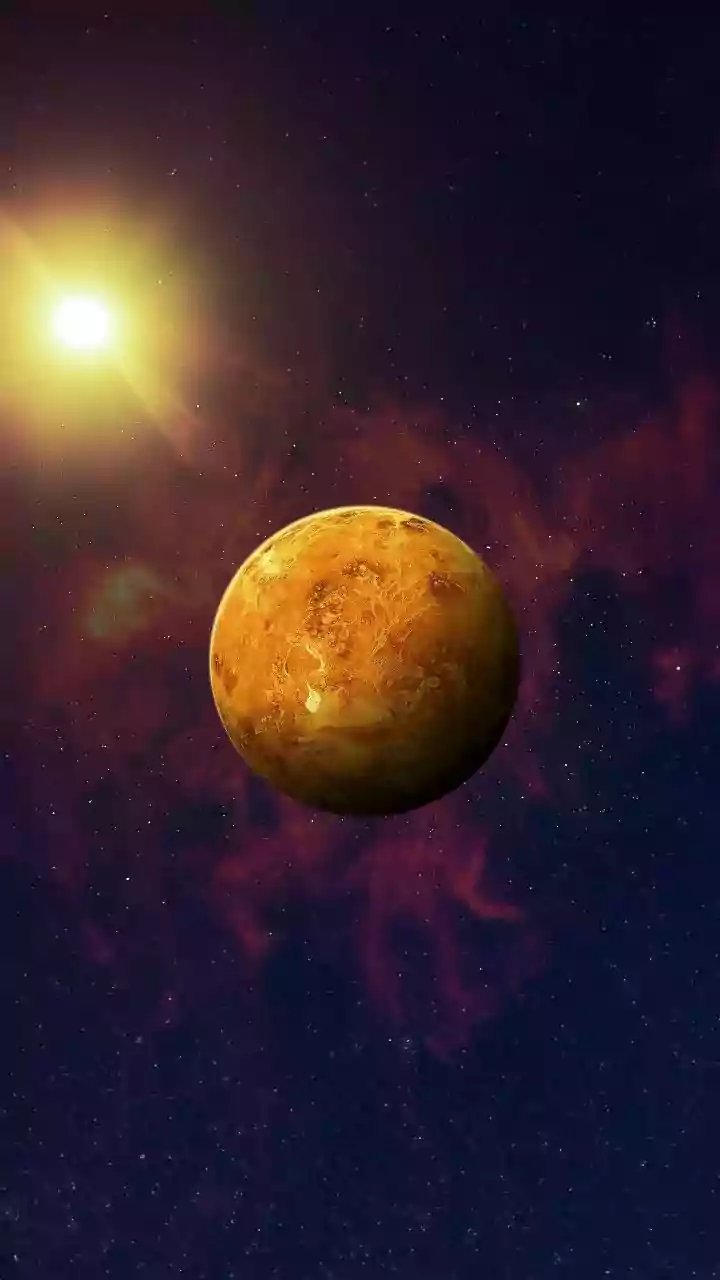
You won’t have trouble spotting Venus. It will be the brightest object in that part of the sky, shining brilliantly like a powerful, unwavering star. It's often called the 'Evening Star' for this reason. Once you’ve found Venus, look nearby for Jupiter. Jupiter will be the second brightest of the three, but significantly dimmer than Venus. The real challenge is Mercury. It will be the faintest of the trio and closest to the horizon, potentially lost in the evening twilight. Your best bet is to find Venus first, then scan the area around it for the other two points of light. A stargazing app on your phone can be a great help in pinpointing their exact locations.
Do You Need a Telescope?
Good news: you don't need any special equipment to see this event. All three planets are bright enough to be seen with the naked eye. However, because they are low on the horizon and Mercury is quite faint, a pair of binoculars will significantly improve your experience. Binoculars will make it much easier to resolve Mercury from the twilight glow and will give you a clearer view of the planetary grouping. If you have a telescope, you might even be able to spot Jupiter's four largest moons—Io, Europa, Ganymede, and Callisto—appearing as tiny pinpricks of light flanking the giant planet.
Why This Celestial Gathering Is Special
While planetary conjunctions themselves are not exceedingly rare, a gathering of these three specific planets is a beautiful sight. Venus and Jupiter are the two brightest planets in our sky, and their proximity always creates a stunning visual. The addition of the elusive Mercury makes this event more compelling. It’s a wonderful opportunity to get a sense of the solar system in motion and appreciate the different orbits and positions of our planetary neighbours. These events remind us that the sky above is not static but a dynamic, ever-changing theatre of cosmic activity. It’s a perfect, family-friendly excuse to step outside and connect with the universe.