



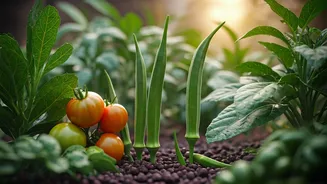


1. Bhindi (Okra)
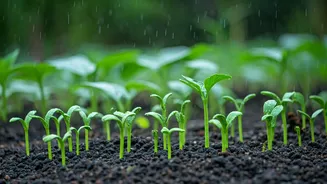
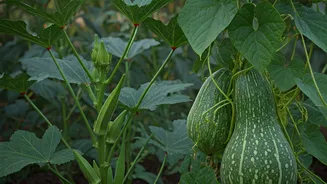
A beloved staple in Indian kitchens, Bhindi thrives in the heat and humidity that precedes the monsoon. Planting it now, in late May or early June, allows the seeds to germinate quickly in the warm soil. The initial, lighter showers of the pre-monsoon
phase provide just enough moisture without waterlogging the young plants. By the time the heavy rains arrive in July, your okra plants will be mature and strong enough to withstand the intense downpours, ensuring a steady supply for your sambar and bhurji all season long. Sow the seeds about an inch deep and 12 inches apart to give them ample space to flourish.
2. Gourd Varieties
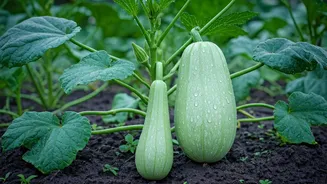
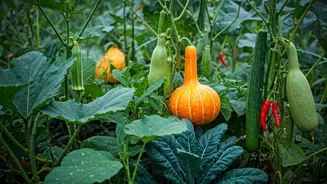
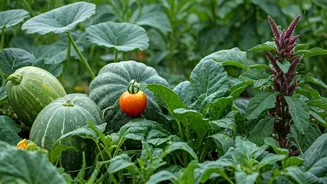
The gourd family — including Lauki (Bottle Gourd), Turai (Ridge Gourd), and Karela (Bitter Gourd) — are perfect candidates for this season. These are vigorous climbers that love the combination of warmth and moisture. Sowing them before the full monsoon onset gives their root systems time to establish. As creepers, they benefit from support structures like trellises or fences. Lifting the vines and fruits off the ground is crucial, as it prevents them from rotting in the waterlogged soil that characterises peak monsoon. Plant 3-4 seeds in small pits and ensure your support system is in place early.
3. Brinjal (Eggplant)
Brinjal is a hardy, year-round vegetable, but it particularly benefits from a pre-monsoon start. Starting with seedlings rather than seeds is often more effective in this period. Transplant healthy seedlings into your garden beds or large pots in early June. This gives them a few weeks to acclimatise and develop a robust root system. Once the monsoon arrives, these well-established plants are less susceptible to root rot and other fungal diseases. They will produce fruit prolifically through the rainy season, providing a versatile ingredient for everything from baingan bharta to curries.
4. Chilli and Capsicum
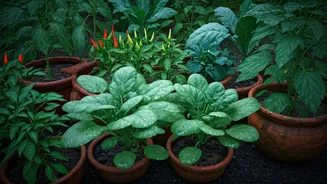
Both chillies and capsicum are sensitive to extreme water conditions. Planting them before the monsoon allows you to control the initial watering and helps the plants grow strong. Heavy, direct rainfall can sometimes damage the delicate flowers, affecting fruit production. By planting early, the plants will have already begun flowering and fruiting by the time the deluge begins. For best results, use well-draining soil and consider planting them in pots that can be moved to a sheltered location, like a covered balcony, during exceptionally heavy spells of rain.
5. Leafy Greens (Short-Cycle)
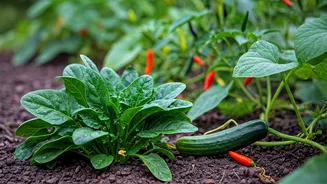
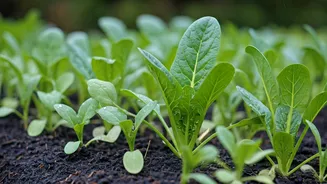
While many leafy greens can be prone to rot in heavy rain, certain fast-growing, heat-tolerant varieties are excellent choices for the pre-monsoon window. Amaranth (Chaulai Saag) and some local varieties of spinach are fantastic options. They grow incredibly quickly, often ready for harvest within 30-40 days. By planting them now, you can get in one or two full harvests before the monsoon peaks. Sow the seeds directly in well-drained soil. Their rapid growth cycle means you get to enjoy fresh, nutritious greens without worrying about them getting destroyed by the mid-monsoon waterlogging.
6. Cucumber (Kheera)
Who doesn't love a crisp cucumber salad during the humid monsoon months? Cucumbers are fast-growing climbers that adore the warm and moist conditions of this season. Planting them now ensures they get a strong start. The vines grow rapidly with the onset of the rains. Like gourds, they need a trellis or support to climb on. This not only saves space but also keeps the fruit clean and prevents rot by improving air circulation and keeping them off the damp ground. You’ll be rewarded with a refreshing and abundant harvest right when you crave it the most.