







Switch to a Lighter Moisturiser
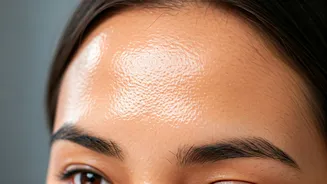
That rich, creamy moisturiser that saved your skin in the dry heat of summer can feel suffocating in July's humid air. When humidity is high, your skin loses less water to the environment. Heavy creams can trap sweat and oil, leading to clogged pores
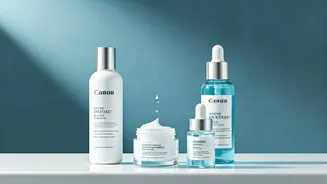
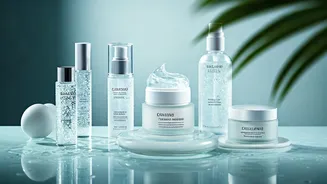
and breakouts. The solution is to switch to a lightweight, non-comedogenic formula. Look for gel-based or water-based moisturisers that contain humectants like hyaluronic acid or glycerin. These ingredients pull moisture from the air to hydrate your skin without feeling heavy or greasy, keeping your skin balanced and supple.
Embrace Double Cleansing
The combination of humidity, sweat, and environmental pollutants can create a stubborn layer of grime on your skin. A single cleanse might not be enough to properly clear your pores. This is where double cleansing becomes a game-changer, especially in your evening routine. Start with an oil-based cleanser or micellar water to break down makeup, sunscreen, and excess sebum. Follow up with a gentle, pH-balanced, and preferably soap-free face wash to clean the skin itself. This two-step process ensures your skin is thoroughly clean without being stripped of its natural protective oils, which can ironically trigger even more oil production.
Don’t Skip Sunscreen on Cloudy Days
It’s one of the biggest myths in skincare: if it's cloudy, you don't need sunscreen. The reality is that up to 80% of the sun's harmful UV rays can penetrate through clouds, causing tanning, premature ageing, and long-term skin damage. During the monsoon, it is crucial to continue using a broad-spectrum sunscreen with at least SPF 30 every single day. To combat the stickiness of the season, opt for a lightweight, gel-based, or fluid formula that feels comfortable and won’t clog pores. Look for products labelled 'non-comedogenic' to ensure your sun protection isn't contributing to breakouts.
Exfoliate Gently, but Consistently
With humidity causing an increase in oil and dead skin cells, exfoliation becomes vital to prevent clogged pores and a dull complexion. However, aggressive scrubbing can irritate your skin and damage its protective barrier. Instead of harsh physical scrubs, consider incorporating a gentle chemical exfoliant into your routine one to two times a week. Products containing Alpha-Hydroxy Acids (AHAs) like glycolic acid or Beta-Hydroxy Acids (BHAs) like salicylic acid are excellent choices. Salicylic acid is particularly effective during the monsoon as it's oil-soluble, allowing it to penetrate deep into pores and dissolve the mixture of sebum and dead skin that leads to breakouts.
Add a Weekly Clay Mask
To give your skin an extra hand in managing the excess oiliness of the monsoon, a weekly clay mask is a fantastic addition. Clay masks are brilliant at absorbing excess sebum, drawing out impurities from the pores, and preventing the congestion that leads to acne. Look for masks with ingredients like bentonite or kaolin clay. Using one once or twice a week can act as a 'reset' for your skin, helping to keep it clear and reducing that perpetual slick feeling. Just be careful not to overdo it, as excessive use can dry out your skin.
Fight Dullness with an Antioxidant Serum
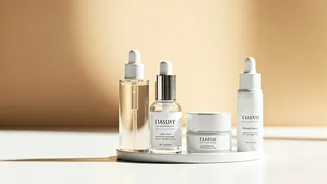
Pollution and humidity don’t just make your skin feel grimy; they also introduce environmental stressors that can lead to dullness and inflammation. An antioxidant serum is your best defense. Vitamin C is a powerhouse ingredient for this purpose, as it helps to fight free radical damage, brighten the complexion, and boost collagen production. Another great option is niacinamide, which not only provides antioxidant benefits but also helps regulate oil production and refine the appearance of pores—tackling multiple monsoon skin concerns at once. Apply a few drops after cleansing in the morning before your moisturiser and sunscreen for a protective, brightening boost.