






Why Are Interest Rates Going Up?
The Reserve Bank of India’s Monetary Policy Committee (MPC) recently increased the repo rate by 25 basis points to 5.50%. This is the first such hike in nearly four years. The repo rate is the rate at which the RBI lends money to commercial banks, and
it's a powerful tool used to manage the economy. The primary reason for this hike is to control rising inflation. With prices of goods and services climbing, driven by factors like high global energy costs and domestic food price pressures, the RBI is making it more expensive to borrow money. The goal is to cool down spending, reduce the amount of money circulating in the economy, and bring inflation back towards its 4% target. The central bank has also shifted its policy stance to 'calibrated tightening', signalling that further rate cuts are off the table for now and more hikes could be coming.
The Impact on Your Loans and EMIs
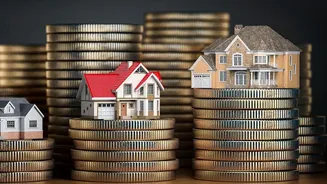
For millions of Indians, the most immediate effect of a rate hike is on their equated monthly instalments (EMIs). If you have a floating-rate home loan, auto loan, or personal loan, expect your borrowing costs to rise. Banks will quickly pass on the increased cost to customers, especially for loans linked to an external benchmark like the repo rate. This can happen in two ways: your bank might increase your monthly EMI amount, or it could extend your loan's tenure, meaning you pay for a longer period. For example, a 0.25% rate increase on a Rs 50 lakh home loan with a 25-year tenure could increase your monthly EMI by around Rs 800. This will squeeze household budgets and reduce disposable income, forcing many to re-evaluate their spending.
A Silver Lining for Savers
While borrowers face higher costs, there's good news for savers. A rising rate cycle means banks will start offering more attractive interest rates on fixed deposits (FDs) and other savings products. As the RBI makes it more expensive for banks to borrow from it, banks will turn to the public to raise funds by offering better returns on deposits. This is particularly beneficial for conservative investors and senior citizens who rely on the interest income from their savings. If you have been waiting for FD rates to become more appealing, this is a positive development. However, the transmission is not always instant; existing FDs will continue at their locked-in rate until they are due for renewal.
What Should Investors Do?
The impact on investments is more nuanced. For the stock market, higher interest rates can be a headwind. When borrowing becomes more expensive for companies, it can impact their profitability and expansion plans, which in turn can affect their stock prices. Sectors that are highly dependent on consumer demand and financing, such as real estate and automobiles, may face challenges. On the other hand, the banking sector might see improved margins. For debt investors, rising yields can make certain debt mutual funds, particularly those holding shorter-duration bonds, more attractive. The key for equity investors is to remain focussed on long-term goals and prioritise companies with strong financial health and the ability to manage higher costs, rather than making knee-jerk reactions to policy announcements.