






A Global Stage in India's Backyard
For those unacquainted, the Kochi-Muziris Biennale is not just another art exhibition; it is the largest and most anticipated contemporary art festival in South Asia. Since its launch in 2012, it has become a landmark event on the international cultural
calendar, drawing hundreds of thousands of artists, curators, critics, and art lovers from around the world to the shores of Kerala. Held every two years, the Biennale is known for its cutting-edge programming, its thoughtful engagement with socio-political themes, and its unique method of embedding world-class art within the fabric of a historic city. It represents a powerful platform for artistic dialogue between India and the rest of the world, making it a must-see for anyone interested in the future of creative expression.
The Curatorial Vision for 2026
Each edition of the Biennale is shaped by the singular vision of its curator. For the 2026-2027 iteration, the Kochi Biennale Foundation has appointed a celebrated Indian artist to helm the event. While the official curatorial statement is expected soon, early indications suggest a theme that will delve into ideas of memory, migration, and the invisible threads that connect communities across time. The chosen curator is known for their work that often explores complex social narratives through powerful, large-scale installations. This choice signals an edition that will likely be both visually spectacular and intellectually profound, challenging visitors to look beyond the surface and engage with deeper stories. The artist lineup, a closely guarded secret until the final weeks, is expected to feature a dynamic mix of established international figures and emerging Indian talent.
Art Beyond the Gallery Walls
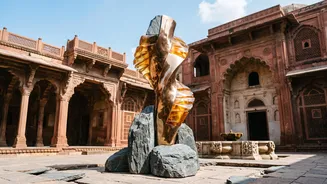
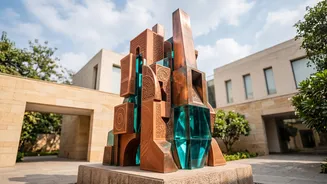
What truly sets the Kochi-Muziris Biennale apart is its setting. Instead of confining art to sterile white galleries, the festival unfolds across a network of historic sites in Fort Kochi and Mattancherry. Century-old warehouses, dilapidated colonial bungalows, and public parks are repurposed into atmospheric exhibition venues. Imagine walking through a dusty, forgotten spice godown to discover a breathtaking video installation, or finding a series of intricate sculptures nestled in a lush, green courtyard. This integration of art and architecture creates a unique treasure-hunt atmosphere, encouraging exploration and discovery. The city itself becomes the gallery, and the act of viewing art becomes an immersive journey through history, culture, and place.
More Than Just the Main Event
While the primary curated exhibition is the main draw, the Biennale's energy spills out across the city. The Students' Biennale, a parallel platform, showcases work from art students across India, offering a glimpse into the next generation of creative minds. The schedule is also packed with a rich variety of ancillary programming, including artist talks, panel discussions, film screenings, and music performances. These events provide deeper context to the artworks and foster a lively atmosphere of debate and learning. For visitors, this means the experience can be tailored to their interests, whether they want to dive deep into art theory or simply soak in the creative energy of the performances and workshops that animate Kochi for four months.
Planning Your Cultural Pilgrimage
Running for nearly four months, the Biennale offers a generous window for a visit. While the opening week in December is electric with excitement, seasoned attendees often recommend visiting in January or February, when the crowds are more manageable and the weather is pleasant. Fort Kochi is the heart of the action, and staying in one of its many heritage hotels or charming homestays is the best way to immerse yourself in the experience. Most venues are within walking distance, but renting a bicycle or using local auto-rickshaws is a great way to explore. Given the event's popularity, it is highly advisable to book flights and accommodation well in advance to avoid disappointment.