





Your Body's Internal Clock
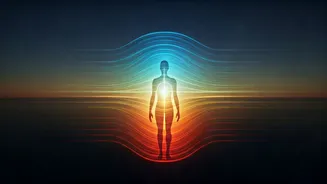
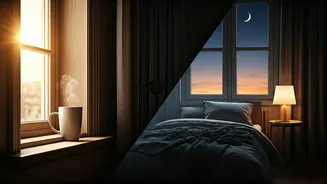
Everyone has an internal 24-hour cycle, known as a circadian rhythm, that governs everything from sleep and hormone release to body temperature and energy levels. This internal clock determines your personal tendency to be a “morning person” or a “night
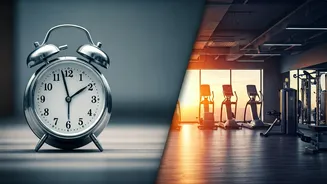
owl,” a trait scientists call your chronotype. Forcing a 6 a.m. run when you're a natural night owl is like trying to swim against the current—it’s possible, but it’s exhausting and inefficient. Recent research shows that aligning your workouts with your chronotype can significantly boost health benefits, including lowering risk factors for heart disease and improving sleep quality. The key isn't that one time is universally better, but that exercise is most effective when it matches your personal biological rhythm.
Discovering Your Chronotype
So, are you an early-rising Lion, a sun-following Bear, or a late-night Wolf? Figuring out your chronotype is simpler than you might think. A good test is to observe your natural patterns when you don't have obligations. On a holiday, do you still drag yourself out of bed, or do you wake up naturally and feel alert? If you hate mornings even when you're rested, you are likely a late chronotype. Your energy levels throughout the day are another major clue. Morning types, or "larks," often feel their best and most productive before noon. Evening types, or "owls," tend to hit their stride in the late afternoon and evening, feeling most creative and energetic then. Paying attention to these natural peaks and troughs is the first step toward a smarter workout schedule.
The Morning Advantage: For Larks
If you're someone who wakes up ready to go, the morning is your fitness golden hour. Studies suggest that morning exercisers often find it easier to be consistent, as daily obligations are less likely to get in the way. A morning workout can boost your mood and energy for the rest of the day by releasing endorphins early. This time is ideal for activities that require focus and for building a solid routine. Research has linked morning exercise, especially between 8 a.m. and 11 a.m., with a lower risk of heart disease. Even a short walk in the morning sunlight can help set your body clock, improving your sleep-wake cycle.
Afternoon and Evening: Peak Performance
For many, physical performance peaks in the late afternoon and early evening. During this window, your core body temperature is higher, your muscles are warmer and more flexible, and your reaction time is quicker, reducing the risk of injury. This makes it an ideal time for high-intensity activities and strength training, where you might achieve greater gains in power and performance. Afternoon workouts can also be a fantastic way to beat the midday slump, providing a welcome energy boost. For evening types, a workout after a long day can serve as a powerful form of stress relief, helping to clear the mind and unwind.
The Night Owl's Workout
If you are a classic night owl, don’t feel pressured to conform to early morning workouts. Exercising between 6 p.m. and 9 p.m. can lead to significant health improvements for evening chronotypes. However, it's wise to be mindful of intensity. A very high-intensity workout too close to bedtime can sometimes interfere with sleep by raising your heart rate and delaying the production of the sleep hormone melatonin. If you find this happening, consider shifting vigorous workouts a little earlier or opting for more relaxing activities in the late evening, such as yoga or gentle stretching, which have been shown to improve sleep quality.