





Go Beyond the Basic Raincoat
The weather in the high altitudes of Kashmir is famously unpredictable, with sunshine turning to rain or even snow in minutes. A simple raincoat is a start, but a comprehensive waterproofing strategy is a game-changer. This means carrying a waterproof cover
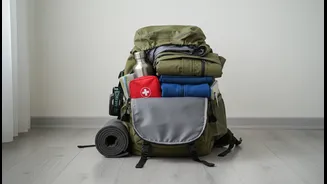
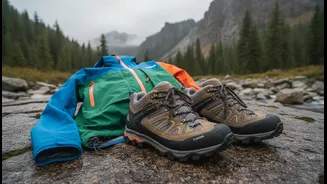
for your backpack to keep your clothes and electronics dry. Pack a few extra zip-lock plastic bags for your phone, power bank, wallet, and important documents like your Yatra Permit and ID. Waterproof trekking trousers, not just a jacket, are also highly recommended. Getting wet at high altitudes doesn't just mean discomfort; it can significantly increase the risk of hypothermia. Thinking in terms of a complete waterproof system is crucial.
Your Feet Are Your Foundation
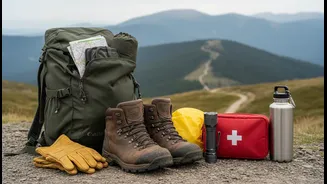
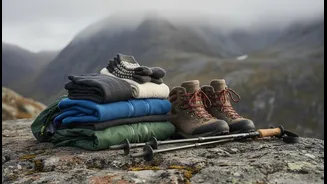
The trek to the holy cave involves navigating steep, rocky, and often slippery paths. Investing in a good pair of waterproof trekking shoes with excellent ankle support is non-negotiable. However, the real pro-tip is to break them in for at least two to three weeks before your journey by wearing them on long walks. Arriving with brand-new shoes is a recipe for painful blisters. Equally important are your socks. Pack multiple pairs of woollen or moisture-wicking synthetic socks to keep your feet warm and dry. It's also wise to carry a pair of lightweight slippers or sandals for resting at camps, giving your feet a much-needed break from the heavy boots.
High-Altitude Skin Armour
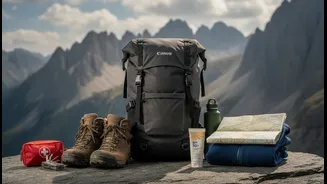
The air at over 12,000 feet is cold and extremely dry, and the UV radiation is much stronger than at sea level. This combination can wreak havoc on your skin. Sunburn and chapped lips are common complaints that can become very painful. Your survival kit must include a high-SPF sunscreen (SPF 50 is recommended), which should be applied generously to all exposed skin, including your face, neck, and hands, even on cloudy days. A good quality lip balm with SPF is also essential. An everyday item like petroleum jelly or a thick moisturising cold cream can be a saviour, protecting your skin from the harsh, dry wind and preventing it from cracking.
The Pocket-Sized Energy Boost
The trek is physically demanding and requires a steady supply of energy. While langars and food stalls provide meals, carrying your own quick-energy snacks is vital for maintaining stamina between stops. Instead of relying solely on full meals, pack small, lightweight, high-carbohydrate foods. Think dry fruits, nuts, chocolates, roasted chana, and energy bars. These items provide an instant burst of energy to combat fatigue and prevent low blood sugar, which can be exacerbated by high altitudes. Having these snacks readily accessible in your pocket or a small daypack means you can refuel on the go without lengthy stops.
A Smarter First-Aid Kit
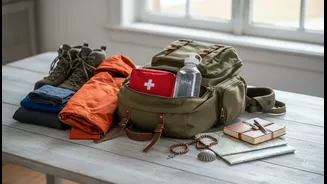
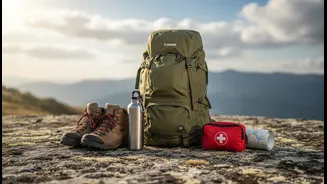
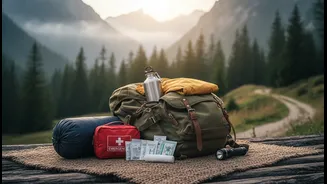
While you should always carry any personal prescribed medications, your first-aid kit needs a few extras tailored for this journey. High altitude can cause headaches, nausea, and dizziness. Include basic pain relievers, tablets for altitude sickness (after consulting your doctor), and anti-nausea medication. Muscle-relief spray or balm can be a blessing for sore legs after a long day of trekking. Due to the terrain, blisters and small cuts are common, so pack plenty of band-aids and an antiseptic cream. Finally, include ORS or electrolyte sachets to add to your water, helping you stay properly hydrated, which is crucial for acclimatisation.
The Analogue Backup Plan
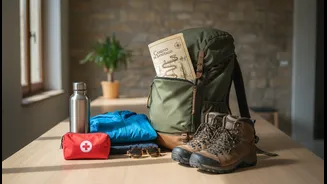
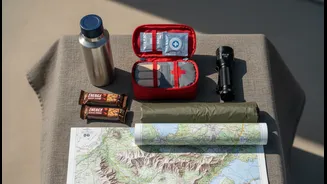
In an age of digital everything, it's easy to rely on your phone. However, mobile connectivity can be patchy or non-existent on the Yatra route, and charging points are scarce. This is where an analogue backup becomes essential. Carry a fully charged power bank. More importantly, keep a physical, waterproofed note in your pocket with your name, address, emergency contact numbers, and the details of a fellow yatri. It's also wise to have physical copies of your essential documents, such as your Yatra permit, health certificate, and government ID, in a separate waterproof pouch. In low-connectivity zones, cash is king, so ensure you have enough for any potential expenses.