


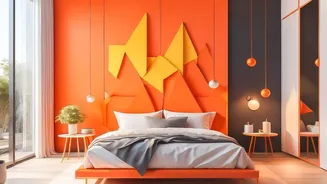
The Art of Colour-Blocking Explained
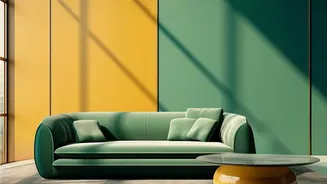
At its core, colour-blocking is the technique of pairing distinct, solid blocks of colour to create a striking and intentional design. Originating in fashion and inspired by modern art movements, this trend has found a natural home in interior design. Instead
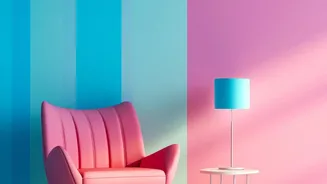
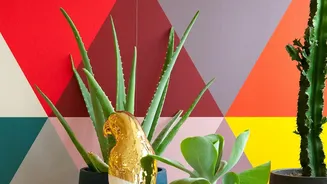
of intricate patterns, it relies on the relationship between bold hues and clean lines to create visual interest. When applied to wallpaper, this translates into large-scale geometric designs—think bold stripes, sharp angles, chevrons, and circles—that turn a wall into a deliberate work of art. The goal is to create structure, rhythm, and a focal point using colour itself.
Why Geometric Contrast Works
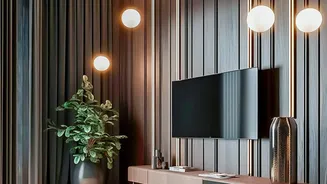
Geometric wallpaper brings a sense of order and modernity to a space. The clean lines and repeating shapes offer a structured contrast to the softer forms of furniture and decor. This interplay is what makes the style so transformative. A wall with a bold geometric pattern can make a room feel more dynamic and purposeful. It can also manipulate perception; for example, vertical stripes can make a ceiling feel higher, while horizontal bands can make a narrow room appear wider. By introducing such a strong graphic element, you are not just decorating a wall but actively shaping the architectural feel of the room.
Choosing Your Perfect Palette
The success of colour-blocking depends heavily on the chosen palette. For a high-impact, energetic feel, opt for high-contrast complementary colours that sit opposite each other on the colour wheel. However, for a more serene and sophisticated look, a monochromatic scheme using different shades of the same colour can be just as effective. A popular approach is to limit the palette to two or three main colours plus a neutral like white, grey, or beige. This prevents the design from becoming visually chaotic. When selecting your wallpaper, consider the existing elements in your room, such as flooring and large furniture pieces, to ensure a cohesive look. Light colours tend to make a room feel larger and brighter, while darker, saturated tones create a cosier, more intimate atmosphere.
Mastering the Accent Wall
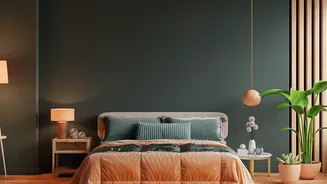
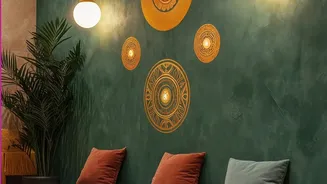
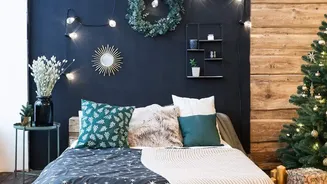
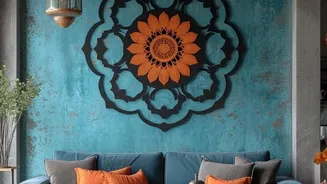
You don't need to cover all four walls to make a statement. In fact, using colour-blocked wallpaper on a single accent wall is often more effective. This approach creates a powerful focal point without overwhelming the space. The ideal location for an accent wall is typically the one you see first when entering a room or the wall behind a key piece of furniture, like the bed in a bedroom or the sofa in a living room. By keeping the other walls in a neutral, complementary paint colour, the geometric wallpaper is allowed to shine, giving the room depth and personality.
Pairing with Furniture and Decor
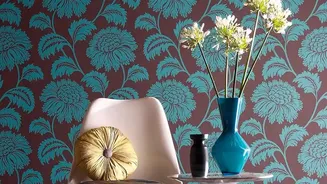
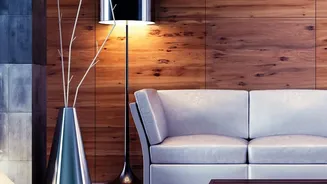
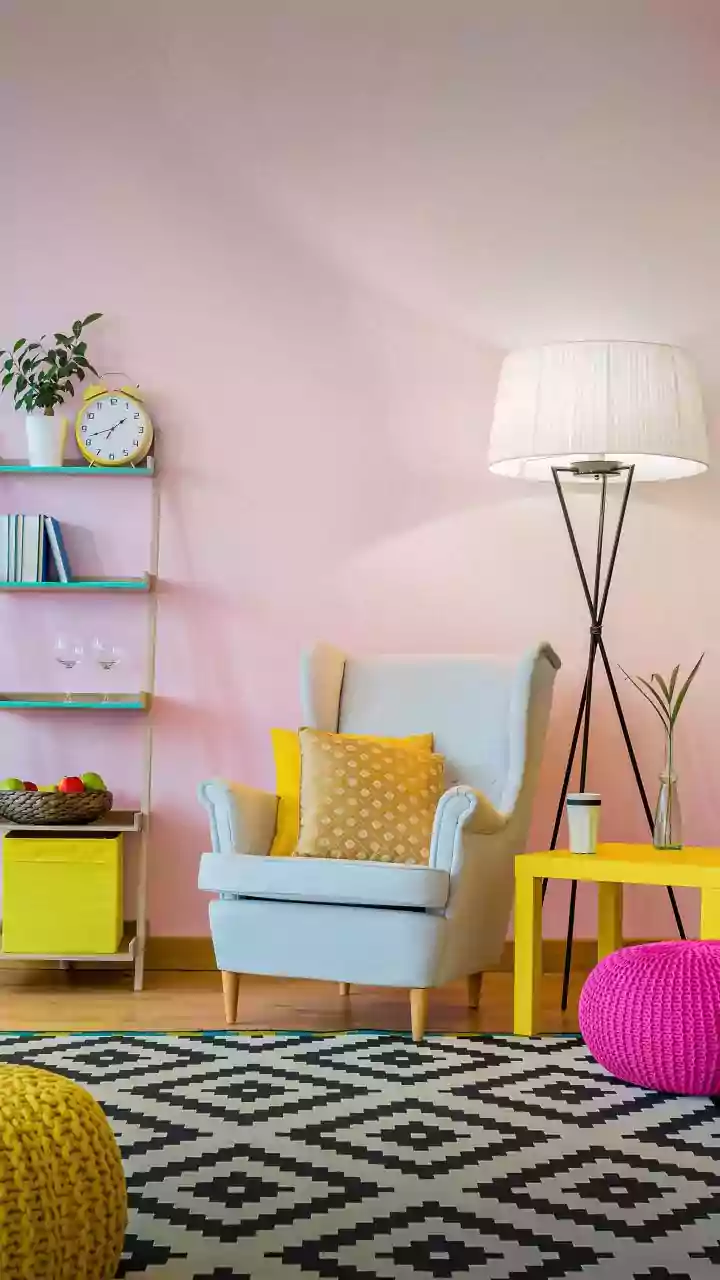
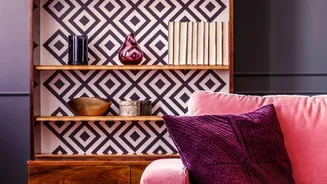
To create a harmonious interior, your furniture should complement your bold wallpaper, not compete with it. If your wallpaper features a large, busy pattern, opt for furniture with simple, clean lines and solid, neutral colours. You can then pull accent colours from the wallpaper and repeat them in smaller decor items like cushions, throws, and artwork to tie the room together. Mixing textures is also key; pairing a sharp geometric print with soft materials like velvet, linen, or a plush rug can add warmth and prevent the space from feeling too rigid. A piece of wooden furniture can also ground a vibrant pattern, adding a natural, organic touch.
Beyond the Obvious Spaces
While living rooms and bedrooms are popular candidates for colour-blocking, this trend can invigorate almost any area of your home. A geometric wallpaper can turn a plain hallway or entryway into a stylish introduction to your home's aesthetic. In a home office, a bold design can inspire creativity and define the workspace within a larger room. Even small spaces like a powder room can handle a dramatic, large-scale pattern, creating a memorable, jewel-box effect. When using geometric patterns in smaller rooms, consider designs with lighter colours or smaller repeating shapes to add interest without making the space feel cramped.