


The Rise of Form and Structure
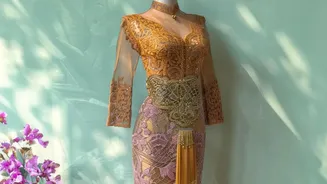
Indian couture, long celebrated for its masterful artisanship in embroidery and embellishment, is undergoing a quiet revolution. While the allure of zardozi, mirror work, and intricate beading remains, a forward-thinking group of designers is pioneering
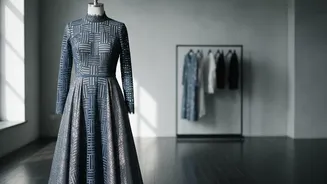
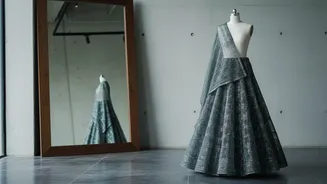
a new aesthetic focused on form. Instead of just decorating the fabric, they are manipulating, moulding, and engineering it to create garments that are wearable sculptures. This approach marks a significant shift, where the silhouette and the texture of the material itself tell the primary story. It’s a move from dressing the body to sculpting around it, offering drama and presence through innovative construction rather than the sheer weight of ornamentation.
The Avant-Garde Visionaries
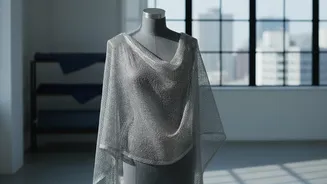
At the forefront of this movement are designers like Gaurav Gupta, Amit Aggarwal, and Rimzim Dadu. Gaurav Gupta has become globally recognized for his saree gowns and lehengas that feature gravity-defying, sculpted drapes, often resembling frozen waves or cosmic swirls. Amit Aggarwal is known for his architectural shapes, which he achieves by blending industrial by-products like polymer sheets with traditional handwoven textiles. His creations often involve moulding and pleating techniques that give fabrics a futuristic, almost liquid-metal quality. Meanwhile, Rimzim Dadu has built her brand on radical textile innovation, transforming materials like steel wire, metallic cords, and even mother-of-pearl into fluid, wearable fabrics that possess both structure and softness.
New Techniques, New Language
The creation of these sculptural garments involves months of research and development. Designers are bonding, cording, and heat-moulding fabrics, and in some cases, inventing entirely new textiles. Amit Aggarwal, for instance, has collaborated with studios to weave organic cotton with polymer yarns to create a modern take on ikat. Rahul Mishra, known for his incredible 3D embroideries, creates pieces where flora and fauna seem to bloom directly from the fabric, giving his gowns a tactile, sculptural depth. Rimzim Dadu’s recent work involves engineering tiny pieces of mother-of-pearl into delicate grid structures, allowing a rigid material to move with the body like fabric. These techniques are creating a new design language that is less about traditional motifs and more about texture, light, and movement.
Redefining the Modern Festive Wardrobe
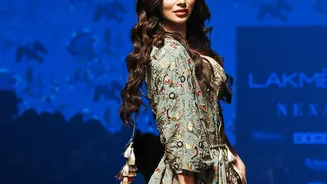
This new direction is perfectly suited for the modern Indian festive calendar, which includes sangeets, cocktail evenings, and grand receptions. For many, a sculptural gown or a pre-stitched moulded saree offers a compelling alternative to a heavy, traditional lehenga. These garments provide high-impact glamour without sacrificing comfort or mobility. They signal a contemporary, global sensibility while still feeling rooted in a culture of celebratory dressing. The trend also reflects a growing consumer desire for fashion that feels unique and personal—a piece of wearable art that stands apart from more conventional choices. These designs are not just clothes; they are conversation starters.
The Future is Structural
While many of these highly architectural pieces originate in the rarefied world of couture, their influence is beginning to spread. The focus on unique textiles and innovative silhouettes is inspiring a broader shift in the Indian fashion landscape. Designers are finding ways to translate these complex ideas into more accessible ready-to-wear collections, meaning the emphasis on structure and form is no longer limited to bridal or red-carpet dressing. This evolution proves that Indian fashion is not a monolith defined only by its past. It is a dynamic and forward-looking industry, capable of producing work that is both deeply connected to its heritage of craftsmanship and daringly innovative.