



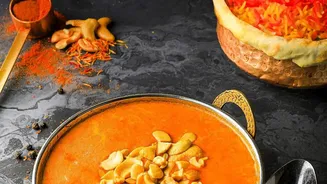


A quiet revolution is unfolding in India’s finest kitchens. Beyond the rich spices and familiar curries, top chefs are now venturing into forests and mountainsides to rediscover ancient, foraged greens for their unique flavours.
A Shift Beyond the Spice Cabinet
For generations, Indian
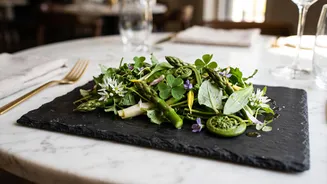
cuisine has been globally defined by its masterful use of spices. But a new wave of culinary innovators is challenging this perception by looking closer to the soil. Instead of relying on powerful spice blends to create flavour, these chefs are championing the subtle, complex, and often forgotten tastes of indigenous wild plants. This movement is not just about novelty; it is a philosophical shift towards a more regional, seasonal, and sustainable way of cooking. By turning to foraged ingredients, restaurants are creating 'hyperlocal' menus that tell a story about a specific place and time, offering diners an experience that is deeply connected to India's diverse landscapes. This approach positions wild greens not as a rustic novelty, but as the star of a sophisticated culinary narrative.
The Forager's Prized Bounty
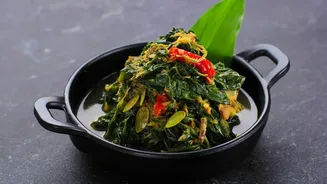
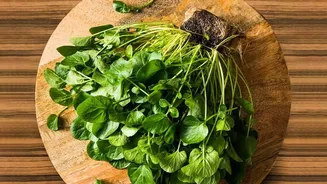
Among the most celebrated of these rediscovered ingredients are fiddlehead ferns, known locally by names like 'lingri', 'kasrod', or 'lingdu' across the Himalayan states. These tightly coiled young ferns, which grow wild in moist, cool climates, offer a unique flavour often described as a cross between asparagus, green beans, and spinach, with a pleasantly crisp texture. Another foraged favourite is the stinging nettle, or 'bichu buti'. While its name sounds intimidating due to the plant's stinging hairs, cooking neutralises them completely, revealing a rich, earthy flavour similar to spinach but with more depth. Traditionally used in Himalayan home cooking for dishes like 'saag', chefs are now elevating it in everything from soups to chutneys, appreciating its high nutritional value and robust taste. These greens, once staples of regional and tribal diets, are finding new life on fine dining plates.
Pioneers of the Wilderness-to-Table Philosophy
At the forefront of this movement are chefs like Prateek Sadhu of the acclaimed Himalayan restaurant, NAAR. Sadhu has built his culinary identity around foraging in the hills of Himachal Pradesh, creating dishes that are a direct reflection of the season. His philosophy goes beyond just finding ingredients; it is about uncovering forgotten stories and techniques from mountain communities. For Sadhu, foraging is about creating a cuisine that is honest and entirely rooted in its environment. Similarly, chefs at restaurants like Masque in Mumbai have embarked on foraging trips across regions like Uttarakhand to discover ingredients such as wild berries and fiddlehead ferns, pushing lesser-known produce into the fine-dining spotlight. This dedication to local sourcing redefines luxury, suggesting that the most valuable ingredients are not imported, but those found waiting in India's own back garden.
Flavour, Sustainability, and Storytelling
The appeal of foraged greens is threefold. First, there is the flavour. Wild plants, having grown in a competitive natural environment, often develop more complex and intense flavour compounds than their cultivated counterparts. This provides chefs with a unique palette of tastes that cannot be replicated. Second, foraging is inherently sustainable. It reduces the carbon footprint associated with transporting ingredients from afar and supports biodiversity. Finally, it offers a powerful story. A dish made with ferns foraged from a specific riverside or nettles from a particular valley connects the diner to the land in a profound way, offering authenticity that modern consumers increasingly crave. This narrative of terroir and seasonality elevates the dining experience from a simple meal to a cultural journey.
Reviving Heritage, Redefining Indian Food
Ultimately, the embrace of wild greens is more than a fleeting trend. It represents a deeper movement to preserve and celebrate India's vast and varied culinary heritage. For centuries, these plants have been a source of nourishment and medicine for local communities, with knowledge passed down through generations. By bringing them into gourmet restaurants, chefs are not only creating exciting new dishes but are also helping to validate and preserve this indigenous wisdom. They are proving that modern Indian cuisine does not have to look to the West for inspiration. Instead, it can find its future by looking inward, rediscovering the incredible diversity of flavours that have always been a part of the Indian landscape.