





Peace Lily: The Elegant Dehumidifier
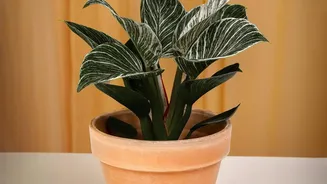
The Peace Lily is more than just a beautiful plant with elegant white blooms; it's a functional powerhouse for humid homes. It has a high transpiration rate, meaning it absorbs moisture from the air through its leaves. This ability makes it particularly
effective at reducing dampness and can even help inhibit the growth of airborne mould spores, a common problem during the rainy season in India. Peace Lilies thrive in high-humidity environments, making them perfectly suited for the monsoon. Place them in bathrooms or kitchens, which are naturally more humid, but they also do well in living rooms. They prefer indirect light and consistently moist soil. For care, water when the top inch of soil feels dry and wipe the leaves occasionally to keep them dust-free and efficient at absorbing moisture.
Areca Palm: Your Tropical Humidifier
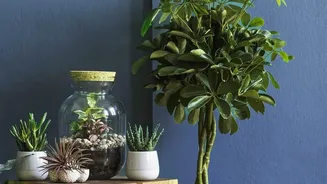
Often called the Butterfly Palm, the Areca Palm is a popular choice for adding a lush, tropical feel to interiors. Beyond its aesthetic appeal, it is one of the most efficient plants for regulating indoor humidity. Through transpiration, it releases moisture, which might seem counterintuitive, but in a closed-off room, it helps balance the air, preventing the stuffy feeling associated with high humidity. It’s also celebrated for its air-purifying qualities, effectively removing toxins like formaldehyde from the air, according to NASA's Clean Air Study. This makes the air feel fresher and cleaner. Areca Palms prefer bright, indirect sunlight and need to be watered regularly, but be careful not to overwater. They are a great, pet-safe option for living rooms and large spaces.
Snake Plant: The Hardy Air Purifier
The Snake Plant is renowned for being almost indestructible, making it perfect for beginners. While many plants struggle in high humidity, the Snake Plant thrives. Originally from arid environments, its tough, succulent-like leaves are excellent at managing moisture. It helps control humidity by absorbing excess moisture from the air, which is particularly useful in damp corners of a house. What sets it apart is its ability to perform photosynthesis at night, releasing oxygen when most other plants do not, which improves air quality while you sleep. It’s highly tolerant of various conditions, from low light to infrequent watering, making it incredibly low-maintenance. However, ensure its pot has good drainage to prevent root rot, especially during the excessively damp monsoon months.
Boston Fern: The Lush Moisture Absorber
With its feathery, cascading fronds, the Boston Fern is a classic choice for adding greenery. It is considered one of the best natural humidity absorbers. These plants are native to tropical forests and naturally thrive in moist environments, absorbing humidity directly from the air to sustain themselves. This makes them ideal for the Indian monsoon. They are particularly effective in very damp areas like bathrooms or laundry rooms. To keep a Boston Fern happy, its soil needs to remain consistently moist but not waterlogged. It prefers bright, indirect light and high humidity levels, so it will feel right at home during the rainy season. If the fronds start to look crispy, it's a sign the air is too dry.
Spider Plant: The Resilient Air Freshener
The Spider Plant is another easy-to-care-for option that is great for Indian homes. It is highly adaptable and tolerates a wide range of conditions, including the high humidity of the monsoon. While its primary benefit is air purification—it's known for removing pollutants like formaldehyde and carbon monoxide—it also helps balance indoor air. Through transpiration, it can slightly increase humidity in very dry rooms, but in a damp monsoon environment, its foliage helps improve air circulation and freshness. Its arching leaves and the 'spiderettes' that dangle from the main plant make it a visually interesting choice for hanging baskets or shelves. It prefers bright, indirect light but can tolerate lower light levels.
Reusable Clay Absorbers: The Eco-Friendly Solution
For a plant-free approach, reusable clay moisture absorbers are an excellent, eco-friendly choice. These products typically contain bentonite clay, a natural mineral with a highly porous structure. This structure allows the clay to attract and trap excess water molecules from the air through a process called adsorption. They are completely passive, requiring no electricity, and are non-toxic and odourless, making them safe to use in wardrobes, cabinets, and small rooms. Unlike single-use chemical absorbers, clay desiccants are reusable. Once they have reached their absorption capacity, you can 'recharge' them by placing them in direct sunlight or heating them at a low temperature to release the trapped moisture, making them ready to be used again. This makes them both a sustainable and cost-effective tool for fighting monsoon dampness.