




Sabudana: The Comforting Energy Booster
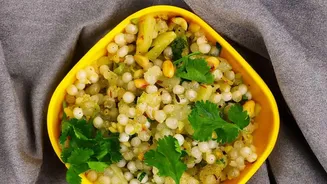
Sabudana, or tapioca pearls, are a go-to for instant energy during fasts. Made from the starch of the cassava root, they are not grains but pure carbohydrate powerhouses. This is why a bowl of Sabudana Khichdi, studded with peanuts and potatoes, feels
so satisfying and provides a quick fuel-up. However, this high-carb, low-protein nature means they can cause a rapid spike in blood sugar and may not keep you feeling full for very long. While easy to digest, they are calorie-dense, so moderation is key, especially if you're watching your weight. To make a more balanced meal, always pair sabudana with protein-rich additions like peanuts or a side of yogurt.
Kuttu: The Nutrient-Dense Powerhouse
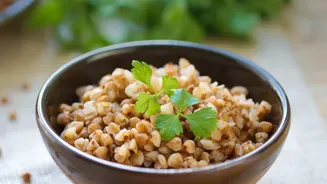
Despite its name, Kuttu ka atta, or buckwheat flour, has no relation to wheat. It is a pseudo-cereal, a gluten-free seed from a flowering plant related to rhubarb. This makes it a fantastic option for those with gluten sensitivities. Nutritionally, Kuttu is a star performer, packing a significant amount of high-quality protein, dietary fibre, and essential minerals like magnesium. This combination provides sustained energy and promotes a feeling of fullness, making it an excellent choice for managing weight during the festive season. Its earthy flavour lends itself well to classic dishes like Kuttu ki Puri, cheelas, and pakoras. However, it is considered 'heating' by some and can feel heavier to digest, especially when deep-fried. Opting for rotis or cheelas over puris can make it a healthier choice.
Samak: The Light and Gentle Millet
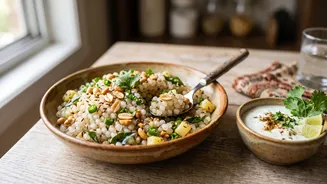
Often called 'vrat ke chawal' or fasting rice, Samak is actually Barnyard Millet. It's a tiny, gluten-free pseudo-grain that serves as an excellent substitute for rice during Navratri. Compared to both Sabudana and Kuttu, Samak is known for being incredibly light and easy to digest. It is lower in calories than Sabudana and rich in fibre and micronutrients like iron and magnesium. This high fibre content helps in slower digestion, providing sustained energy without the crash and keeping you fuller for longer. Its versatility is another major advantage; it can be used to make everything from a simple pulao and khichdi to idlis, dosas, and even kheer. For those looking for a nutritious yet light option, Samak is often the recommended choice.
Making the Right Choice for Your Fast
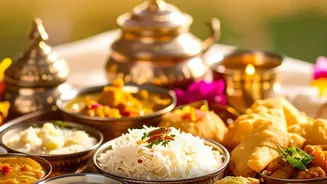
Choosing between these three ultimately depends on your body's needs and your goals for the fast. If you need a quick burst of energy after a long day, a small bowl of Sabudana Khichdi can be perfect. For a meal that provides long-lasting fullness and a protein boost, Kuttu is an excellent choice, preferably in a non-fried form like a roti. If you want something that is both nutritious and very easy on the digestive system, Samak is the ideal all-rounder. Many people find that rotating between the three offers the best balance of energy, nutrition, and variety throughout the nine days of fasting. Listening to your body is crucial; some may find Kuttu too heavy, while others might feel Sabudana isn't filling enough. Experimenting with different preparations can also change the nutritional profile of the final dish.