


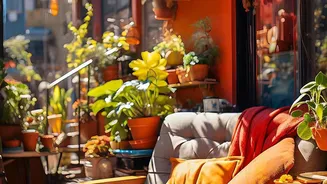
The Rise of the Vertical Oasis
The desire for greenery in urban environments has led to a major trend: going vertical. When floor space is at a premium, the only way to grow is up. This isn't just about a few hanging baskets; it's a fundamental shift in perspective. Gardeners are now
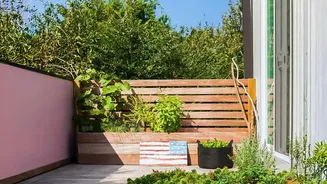
viewing walls, fences, and railings not as boundaries, but as opportunities. This trend transforms flat, unused surfaces into productive, beautiful, and dynamic green spaces. It’s a creative solution born from necessity, allowing people to grow everything from herbs and vegetables to vibrant flowers in the most compact areas, like small balconies or patios.
Rethinking Walls as Canvases
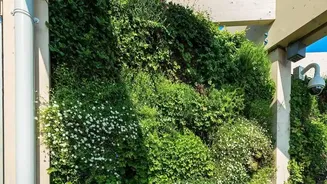
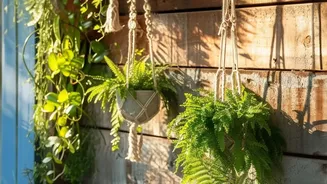
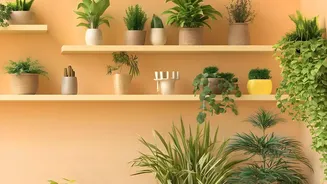
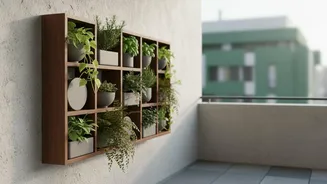
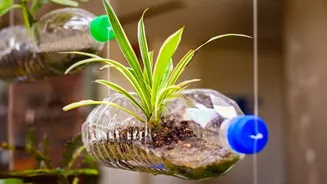
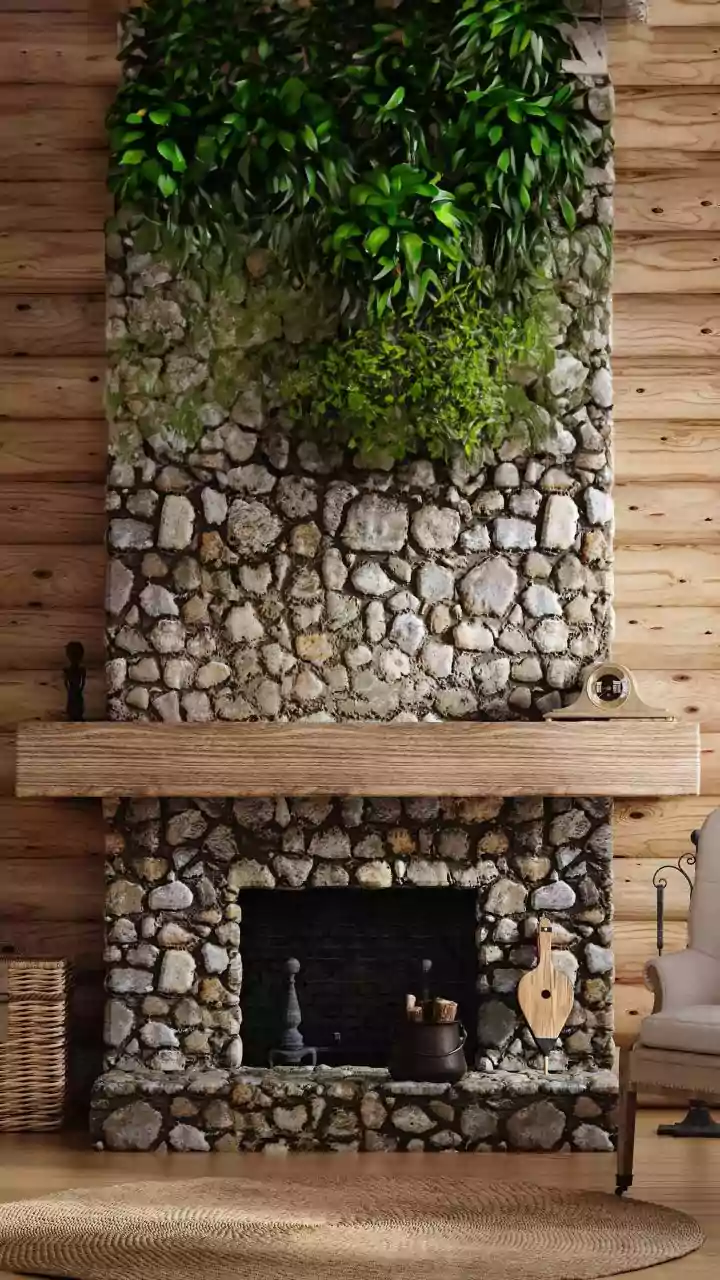
Walls are perhaps the most underutilised real estate in any small outdoor space. Traditionally seen as simple backdrops or privacy screens, they are now becoming the centrepiece of garden design. The trend moves beyond simple trellises for climbing plants and embraces a variety of innovative systems. Modular living wall panels allow for a dense, soil-free planting of succulents or ferns, creating a stunning visual impact. Wall-mounted planters and pocket systems made from fabric or recycled materials are perfect for creating an edible wall of herbs and lettuces right outside the kitchen. These systems not only maximise growing area but also serve as architectural features, adding texture, colour, and life to once-blank surfaces.
Railings Reimagined, Not Just for Safety
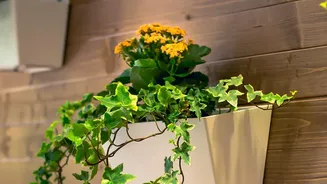
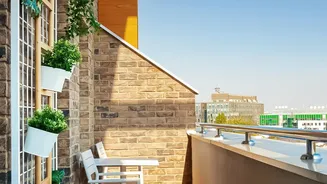
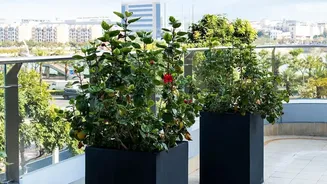
Balcony and deck railings are no longer just about safety; they are prime territory for planting. Innovative products have emerged that are designed specifically to work with these structures. Adjustable planters can now saddle a railing securely, while others are designed to hang discreetly on the inside or outside, maximising every inch. For those wanting to grow climbing vegetables like beans or peas, or flowering vines like clematis, a simple trellis attached to the railing can create a beautiful and productive screen. This approach turns a purely functional element into a thriving part of the garden ecosystem, providing beauty, privacy, and even a fresh harvest.
Choosing the Right Plants and System
Success in vertical gardening depends on choosing the right plants for the right location. For sun-drenched walls, consider heat-loving herbs like rosemary and thyme, or vegetables like cherry tomatoes and peppers in deeper containers. Shadier spots are ideal for leafy greens, ferns, and many flowering annuals. Vining plants are natural choices for railings, including ornamentals like jasmine or edibles like cucumbers. When selecting planters or wall systems, consider the material. Terracotta is breathable but heavy, while plastic is lightweight but can retain heat. Fabric pockets are excellent for root aeration but may require more frequent watering.
A Note on Weight and Water
Before converting your balcony into a vertical farm, it's crucial to consider structural integrity. Soil, water, and plants are heavy. Always check the weight-bearing capacity of your balcony or deck, especially before installing large, heavy planters. Opt for lightweight potting mixes and containers where possible. Water management is also key. Vertical gardens can dry out quickly, so consistent watering is a must. Drip irrigation systems, while an initial investment, can automate this process and conserve water by delivering it directly to the roots. Ensure wall-mounted systems are installed securely and that any excess water has a place to drain without damaging the wall surface or the area below.