






Beyond the Tiger Sighting
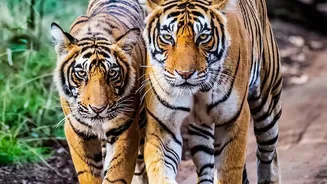
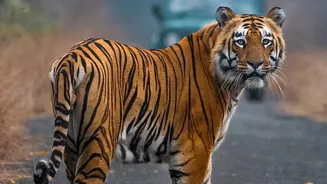
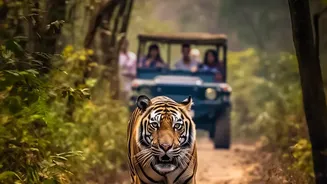
For years, wildlife tourism in India was a singular pursuit, often reduced to a checklist of big-cat sightings. A successful trip was measured by a grainy photo of a tiger in the tall grass. Today, that is changing. A new wave of domestic travellers is redefining
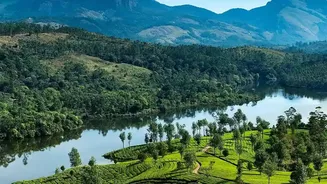
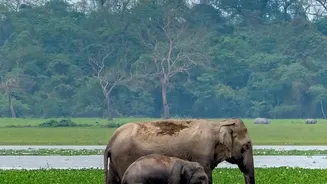
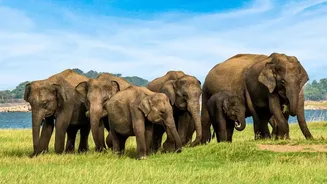
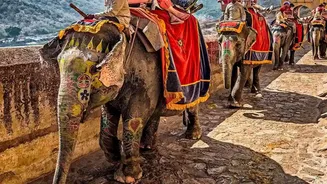
the safari experience, looking beyond the jeep ride to engage with the entire ecosystem. This evolution means the trip is no longer just about the animal; it's about the forest, the villages at its edge, the local cuisine, and the cultural fabric of the region. Travellers are increasingly seeking immersive journeys, extending their stays from a rushed weekend to three or five nights to truly absorb the landscape. This shift from passive sightseeing to active participation reflects a broader global trend toward experiential travel, where the goal is to create a deeper, more meaningful connection with a destination.
A Post-Pandemic Push for Authenticity
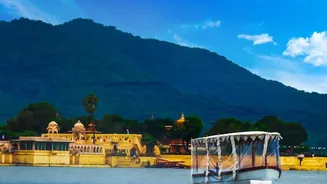
The COVID-19 pandemic significantly accelerated this trend. After months of confinement, urban Indians developed a strong appetite for open spaces and slower, more deliberate travel. This led to a boom in domestic tourism, with people exploring the cultural and geographical richness within India's own borders. Reports from 2026 show a massive surge in domestic travel compared to pre-pandemic levels. This newfound interest is not just in visiting new places, but in experiencing them differently. Travellers are now planning entire holidays around specific cultural experiences, such as festivals or heritage sites, rather than treating them as an afterthought. This desire for authenticity has made rural India, with its traditional lifestyles and crafts, a highly attractive destination.
The Rise of the Homestay
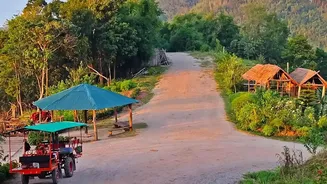
At the heart of this new travel philosophy is the humble homestay. Instead of staying in large, impersonal hotels, travellers are opting for locally-owned guesthouses and family-run accommodations in the buffer zones of national parks and reserves. This model offers a win-win situation. For the traveller, it provides a unique cultural immersion—an opportunity to eat home-cooked meals, interact with local families, and learn about their way of life. For rural communities, homestays are a powerful tool for economic empowerment. They provide a direct source of supplementary income, create jobs, and stimulate local businesses, helping to reduce poverty and prevent migration to cities. Government and non-government initiatives are increasingly recognising this potential, promoting community-based ecotourism projects in states like Sikkim, Nagaland, Uttarakhand, and Kerala.
Conservation Through Community
This evolving model of tourism has profound implications for conservation. When local communities benefit directly from the presence of wildlife, they become its most dedicated protectors. Eco-tourism creates a powerful economic incentive to conserve natural habitats. A healthy forest attracts visitors, which in turn creates demand for local guides, drivers, homestays, and food services. This livelihood gives communities a direct stake in maintaining a balanced ecosystem. Tour operators are increasingly partnering with conservation projects, channelling revenue into anti-poaching patrols, habitat restoration, and community education. This approach, often called 'community-managed nature tourism', aims to support both wildlife conservation and the preservation of local and tribal cultures.
A New Era for Indian Travel
The numbers confirm the trend. India's wildlife tourism market, valued in the billions, is projected to grow significantly through 2033. But this growth is no longer just about volume. It is about a structural shift in what it means to travel in India. The modern Indian traveller is more conscious, curious, and intentional. They are moving away from checklist-style visits and toward immersive journeys that engage with both nature and local communities. This isn't just happening in well-known reserves like Corbett and Ranthambore; travellers are now being drawn to lesser-known parks in Satpura and the Northeast, often planning multi-park itineraries. This maturation of the Indian traveller signals a more sustainable and equitable future for tourism, one that enriches the visitor while empowering the host community.