



The Old Space Race vs. The New Space Rush
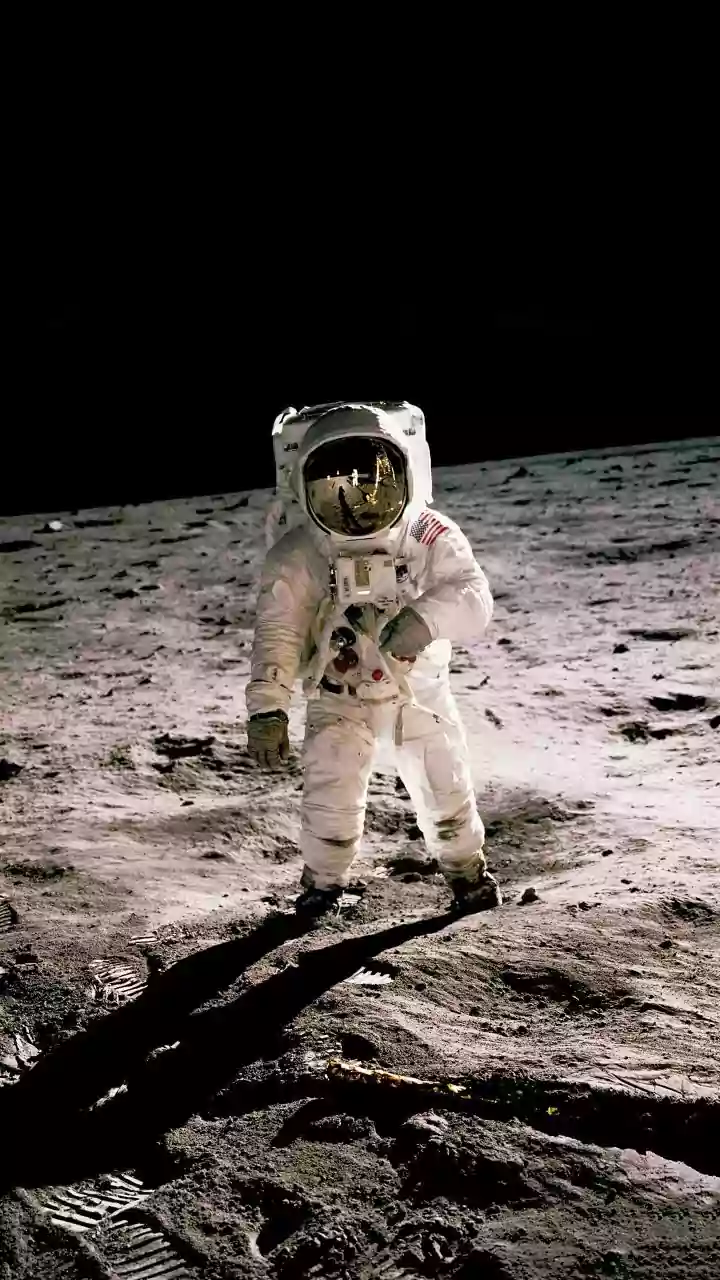
Think of the space race, and you probably picture the Cold War rivalry between the United States and the Soviet Union. It was a time of immense national pride and government spending, culminating in Neil Armstrong's historic steps on the Moon. For the latter
half of the 20th century, government agencies like NASA and its Soviet counterpart were the only players with the resources and ambition to reach for the stars. They built the rockets, trained the astronauts, and shouldered all the risk. [9] This model, however, was incredibly expensive and often slow, tied to national budgets and political priorities. [7] The idea of a private company launching its own rockets was pure science fiction. That is, until the new millennium, when a fundamental shift began, turning the exclusive club of nations into a competitive commercial industry.
The Billionaire Effect and Reusable Rockets
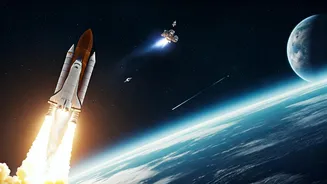
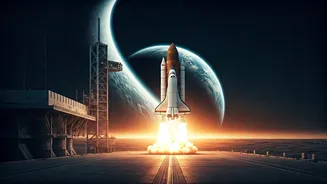
The most visible change has been the arrival of visionary billionaires with deep pockets and a passion for space. Entrepreneurs like Elon Musk of SpaceX and Jeff Bezos of Blue Origin have poured billions into their private space ventures, challenging the old ways of doing business. [19] Their single biggest innovation has been the development of reusable rockets. [17] SpaceX's Falcon 9, for instance, has a first-stage booster that can land itself back on Earth after a launch, a feat that has dramatically lowered the cost of accessing space. [21] By reusing the most expensive parts of the rocket, these companies have broken the old economic model where every launch required a brand-new, multi-million dollar vehicle. This cost reduction is the primary engine driving the commercial space boom, making activities like satellite deployment and eventually, space tourism, economically viable. [12, 17]
India's Private Space Sector Takes Flight
This global trend has a powerful echo in India. The Indian space sector, traditionally dominated by the esteemed Indian Space Research Organisation (ISRO), is undergoing its own transformation. [30] The establishment of the Indian National Space Promotion and Authorization Center (IN-SPACe) in 2020 was a landmark move, designed to facilitate and authorize the activities of private companies. [5, 26] This has catalyzed a boom in the domestic space-tech startup ecosystem. [11] Companies like Skyroot Aerospace, which successfully launched India's first privately developed rocket, Vikram-S, and Agnikul Cosmos, known for its 3D-printed rocket engines, are now key players. [2, 13] This public-private partnership allows ISRO to focus on more ambitious scientific and deep-space missions, while private firms drive innovation in areas like small satellite launches and component manufacturing. [2, 13] With policies allowing for greater foreign investment, India's space economy is projected to grow significantly, aiming for a larger share of the global market. [26]
More Than Just Launches: New Markets Emerge
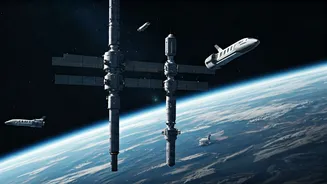
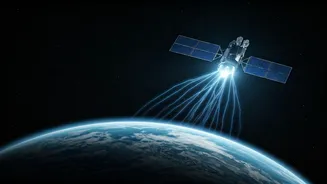
The commercialization of space extends far beyond just launching rockets. Private companies are creating entirely new markets. SpaceX's Starlink project, a mega-constellation of thousands of satellites, aims to provide high-speed internet to every corner of the globe. [20, 28] Other companies like Pixxel, with major investment from global tech firms, are deploying constellations of Earth-observation satellites for applications ranging from agriculture to climate monitoring. [12, 26] The long-promised dream of space tourism is also becoming a reality, with companies like Blue Origin and Virgin Galactic offering suborbital flights to paying customers. [6, 17] In the future, this private-sector drive could extend to in-orbit servicing to repair and refuel satellites, and even mining resources from asteroids and the Moon. [6, 9]
A Crowded Sky: The Challenges Ahead
While this new era of commercial space promises faster innovation and greater access, it also presents new challenges. The rapid increase in satellite launches, particularly for mega-constellations, has raised serious concerns about space debris and the long-term sustainability of Earth's orbit. [9] A collision in space could create a cloud of debris that threatens other active satellites. Furthermore, the legal and regulatory frameworks for space are still largely based on Cold War-era treaties that didn't anticipate such a bustling commercial environment. [9] Questions of orbital traffic management, resource rights on celestial bodies, and mitigating environmental impacts will require international cooperation and new rules to ensure that space remains a resource for all humanity. [9, 18]