





Defining Dietary Diversity
First, let's break down what 'dietary diversity' actually means in a clinical sense. Nutrition experts often measure it using a Dietary Diversity Score (DDS), which is simply a count of the different food groups a person consumes over a specific period,
like 24 hours. The core idea has always been that a higher score—meaning, eating from more food groups like grains, fruits, vegetables, dairy, and proteins—increases the likelihood of getting a wide range of essential nutrients. This long-held belief is based on a simple premise: no single food contains all the nutrients we need, so variety is key. For years, this has been a cornerstone of public health recommendations worldwide.
The Rise of Unhealthy Diversity
The problem is that our food environment has changed dramatically. The modern diet can be incredibly diverse in a way that wasn't possible a few generations ago, but this new variety often comes from ultra-processed foods (UPFs). Think of a diet that includes breakfast cereal, packaged snacks, instant noodles, sugary drinks, and frozen meals. Technically, this diet is diverse; it spans multiple food groups and involves many different products. However, these foods are often high in added sugar, unhealthy fats, and sodium, while being stripped of fibre, vitamins, and minerals. Studies show that while UPFs can increase dietary diversity, they simultaneously lower the overall quality of the diet. This creates a paradox where someone's diet appears varied, but it's actually just a collection of different nutrient-poor, energy-dense options.
The Gap Between Diverse and Adequate
This brings us to 'nutritional adequacy'—the measure of whether you are actually getting the sufficient amounts of macro and micronutrients your body needs to function optimally. A diet can be diverse but fail to be adequate. A study focusing on Indian adults found that ultra-processed foods contributed significantly to daily energy, sugar, and fat intake but were poor sources of essential micronutrients. This leads to a situation where a person might be consuming enough (or too many) calories, but still be at risk for deficiencies in vital nutrients like iron, zinc, folate, and various vitamins. Research from the American Heart Association has even suggested that in today's world of abundant but often unhealthy choices, greater dietary diversity can be associated with higher calorie consumption and poor eating patterns, potentially leading to weight gain.
Quality Over Sheer Quantity
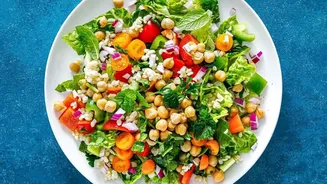
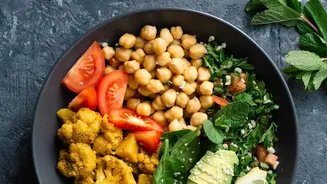
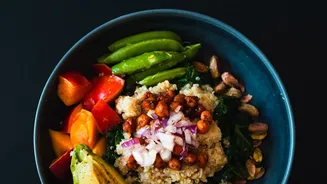
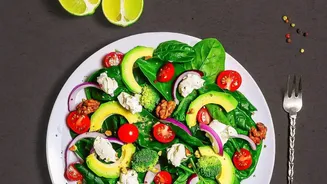
So, how do we bridge this gap? The focus needs to shift from merely counting food groups to assessing the quality of foods within each group. Instead of just 'eating a variety of foods', a more helpful recommendation is to eat a variety of nutrient-dense foods. This means prioritising whole and minimally processed items. For example, instead of getting your grain intake from white bread and biscuits, opt for whole-wheat rotis, brown rice, or millet. For protein, focus on dals, legumes, lean meats, and fish rather than processed meats. A truly beneficial diverse diet is one rich in a variety of vegetables, fruits, whole grains, and lean proteins. It’s about making every choice count towards your nutritional needs, not just ticking a box for a food group.