




Why Rishikesh is Calling
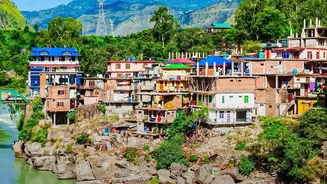
Rishikesh has long been a magnet for spiritual seekers and yoga enthusiasts, but a new tribe is settling in: the digital nomad. The town's unique blend of serene nature, adventure sports, and spiritual energy creates an environment that fosters both productivity
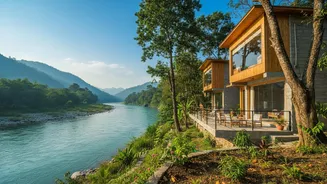
and well-being. Nestled in the Himalayan foothills along the banks of the holy Ganges, it offers a peaceful yet vibrant backdrop for remote work. The established tourism infrastructure means plenty of cafes, activities, and a welcoming atmosphere for outsiders. More importantly, a strong community of remote workers has emerged, making it easy to connect with like-minded individuals.
The Rise of the Co-Living Hostel
The game-changer for budget-conscious remote workers is the co-living hostel. These are not your typical backpacker haunts. They are specifically designed for 'workations', offering the crucial trinity of amenities: high-speed Wi-Fi, reliable power backup, and dedicated workspaces. Hostels like The Hosteller, Zostel, and Skyard Hostel have adapted to this new demand, providing not just a bed but a full-fledged work-life ecosystem. You’ll find common areas buzzing with people on their laptops, rooftop cafes with stunning mountain views perfect for calls, and an instant social circle through organised events like jam sessions, yoga classes, and local hikes.
Decoding the Sub-₹20,000 Price Tag
The headline claim of a month-long workation under ₹20,000 is achievable, but it's important to understand what it includes. This budget typically secures you a bed in a dormitory. For instance, some hostels offer 28-night packages in a shared dorm for around ₹17,000-₹18,000. This price usually covers your accommodation, Wi-Fi, access to co-working spaces, and sometimes community events. Private rooms are available for those wanting more solitude, but they naturally come at a higher cost, often starting from ₹25,000 and going upwards. Food is another variable. While some packages might include a basic breakfast or access to a communal kitchen, you should budget separately for most of your meals.
A Day in the Life
Imagine starting your day not with an alarm, but with the morning sun hitting the mountains. You could join a drop-in yoga class before settling into a few hours of focused work at your hostel's rooftop cafe. Lunch might be a simple, wholesome thali at a local eatery. The afternoon could be another work block, followed by a walk down to the Ganga for the evening aarti, a mesmerizing fire ceremony. Weekends are for adventure. Rishikesh is a hub for white-water rafting, bungee jumping, and trekking. This structured yet flexible lifestyle is the core appeal—it integrates work, wellness, and exploration seamlessly, fighting the burnout so common in traditional office life.
What to Look For and What to Pack
When choosing a hostel, look beyond just the price. Check reviews for Wi-Fi reliability, as connectivity can vary. Consider the location—Tapovan and the area around Laxman Jhula are popular hubs with plenty of cafes and shops within walking distance. Also, gauge the community vibe from reviews and social media to find a place that matches your energy, whether you want a quiet, focused environment or a more social, party-centric one. Pack layers, as the weather can change quickly. While Wi-Fi is generally good in hostels, having your own mobile hotspot as a backup is always a wise move for any critical work.