







Registration and Required Documents
The first and most critical step is mandatory registration, managed by the Shri Amarnathji Shrine Board (SASB). Registration can be done online through the official SASB website or offline via designated bank branches. The process requires several key
documents: a valid photo ID like an Aadhaar card, passport-sized photographs, and a Compulsory Health Certificate (CHC). This certificate, which confirms your physical fitness for the high-altitude trek, must be issued by a doctor or medical institution authorized by the SASB. Once registered, you will receive a Yatra Permit for a specific date and route. Additionally, all pilgrims must collect a Radio Frequency Identification (RFID) card before starting the trek, which is used for safety and tracking.
Preparing for the Physical Challenge
The Amarnath Yatra is a strenuous trek at high altitude where oxygen levels are lower. Physical preparation is non-negotiable. It is highly recommended to start preparing at least a month in advance by walking 4-5 kilometres daily. Incorporating deep breathing exercises and yoga, particularly pranayama, can help your body become more efficient with oxygen. Acclimatization is also key to preventing Acute Mountain Sickness (AMS). Plan to arrive in Jammu or Srinagar a day or two before your trek to allow your body to adjust to the altitude. During the trek, maintain a slow and steady pace, and stay well-hydrated by drinking about 5 litres of water per day. Avoid alcohol and caffeinated drinks.
Choosing Your Route: Pahalgam vs. Baltal
There are two main routes to the holy cave: the traditional Pahalgam route and the shorter Baltal route. The Pahalgam route is longer, spanning approximately 46-48 kilometres, and typically takes 3-5 days to complete. It is a more gradual climb and is known for its stunning scenery, making it better for first-timers, families, and those who wish to acclimatize properly. The Baltal route is much shorter, around 14-16 kilometres, and can be completed in 1-2 days. However, it is significantly steeper and more challenging, recommended for those who are very physically fit and short on time. Your choice will depend on your fitness level, available time, and desired experience.
Packing Essentials for the Journey
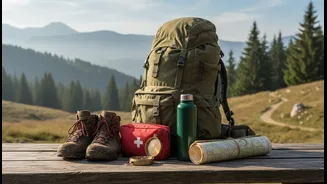
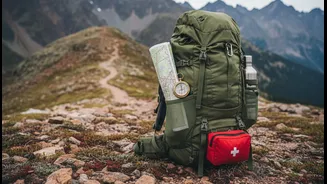
Packing correctly is crucial for a safe and comfortable Yatra, as the weather in the mountains is unpredictable and can change rapidly. Layering your clothing is the best strategy. Essentials include thermal innerwear, a warm fleece jacket, and a waterproof and windproof outer jacket. A good pair of waterproof trekking shoes with ankle support, already broken in, is a must. Pack several pairs of warm, woollen socks. Other important items include a woollen cap, waterproof gloves, sunglasses for UV protection, sunscreen, and a first-aid kit with personal medicines, pain relievers, and bandages. Carrying energy-boosting snacks like dry fruits and chocolates, along with a reusable water bottle, is also advisable.
On the Trail: Safety and Etiquette
During the Yatra, always follow the guidelines provided by the authorities and security personnel. Stick to the designated tracks and travel in a group. Free food is available at community kitchens, known as 'langars', set up along the routes. Medical posts are established every couple of kilometres, so if you experience symptoms of altitude sickness like headaches, dizziness, or nausea, seek medical help immediately. It's important to respect the fragile environment by not littering and avoiding single-use plastics. The journey is as much about spiritual discipline as it is about reaching the destination. Embrace the experience with patience and respect for fellow pilgrims and the natural surroundings.