







The Established Link Between Movement and Rest
For years, science has pointed to a strong connection between physical activity and better sleep. The general advice has been that regular exercise can help you fall asleep faster, wake up less during the night, and feel more rested during the day. This
isn't just a feeling; studies have shown that exercise can lead to more time spent in deep, restorative sleep, which is crucial for physical recovery and mental clarity. The mechanisms are believed to involve several factors, from reducing stress and anxiety to helping regulate the body's internal clock, or circadian rhythm.
New Research Confirms: Consistency is Key
The latest research reinforces this connection with even greater detail. A major 2026 meta-analysis that reviewed 200 different trials involving over 23,000 adults found that regular exercise significantly improved how people rated their own sleep quality. But here's the crucial insight: it’s not about becoming a 'weekend warrior.' A 2025 study from the University of Texas at Austin highlighted that exercise frequency appears to be more important than cramming a week's worth of activity into one or two sessions. Researchers found that people who exercised more frequently—even in short bursts—experienced more restorative deep sleep early in the night, which was linked to better mood and energy the following day. Similarly, a 10-year study found that adults who consistently exercised just two to three times per week were significantly less likely to develop insomnia.
The 'How': What Kind of Exercise Works Best?
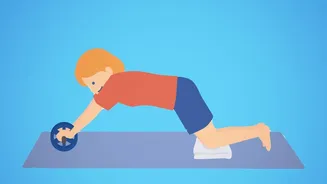
While most movement is beneficial, different types of exercise may offer unique advantages. Aerobic exercises like brisk walking, running, or cycling are excellent for regulating circadian rhythms and have been shown to reduce the severity of conditions like insomnia. Strength training is also emerging as a sleep-promoting powerhouse. A 2026 study published in the Kansas Journal of Medicine found that adults who met guidelines for muscle-strengthening activities had lower odds of depression and loneliness, both of which can interfere with sleep. Other research has shown that resistance training can improve sleep efficiency and reduce nighttime awakenings. The best results often come from moderate-intensity activity—think exercise where your breathing is elevated, but you can still hold a conversation.
Timing Your Workout for Better Sleep
One of the most common questions is whether evening exercise can ruin a night's sleep. The science suggests it's a matter of intensity and timing. For most people, moderate exercise in the evening is not disruptive and can even be beneficial. It can help lower stress levels and trigger a post-exercise drop in body temperature that promotes sleepiness. However, very high-intensity workouts performed within an hour or two of bedtime may delay sleep onset for some individuals. For those with sleep onset insomnia, some research even suggests that physical activity right before bed may help reduce the time it takes to fall asleep. Ultimately, it's about listening to your body and seeing what works for your schedule and sleep patterns.
Putting It All into Practice
The good news from this growing body of research is that you don't need to run a marathon to sleep better. The key is to build a consistent habit. The World Health Organization recommends 150-300 minutes of moderate-intensity aerobic activity per week. This could be as simple as a 30-minute brisk walk five days a week. The UT Austin study found benefits from as little as 10 minutes of moderate activity per day. For those with poorer sleep quality to begin with, the benefits of starting an exercise routine may be even more pronounced. The goal is to make physical activity a regular, non-negotiable part of your routine, just like brushing your teeth. Your nights may become more restful as a result.