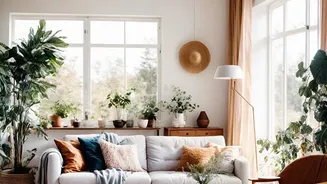

Indoor plants can transform a room from a simple living space into a lush, vibrant sanctuary. But the secret to a professional-looking indoor garden isn't just about having plants—it's about how you arrange them. Let's explore some simple tricks.
Embrace the Rule of Threes
A classic
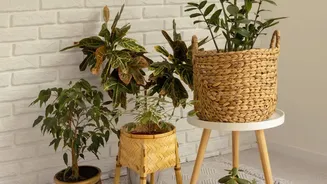
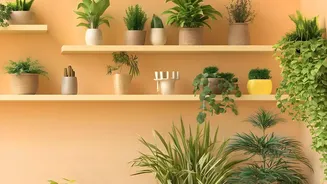
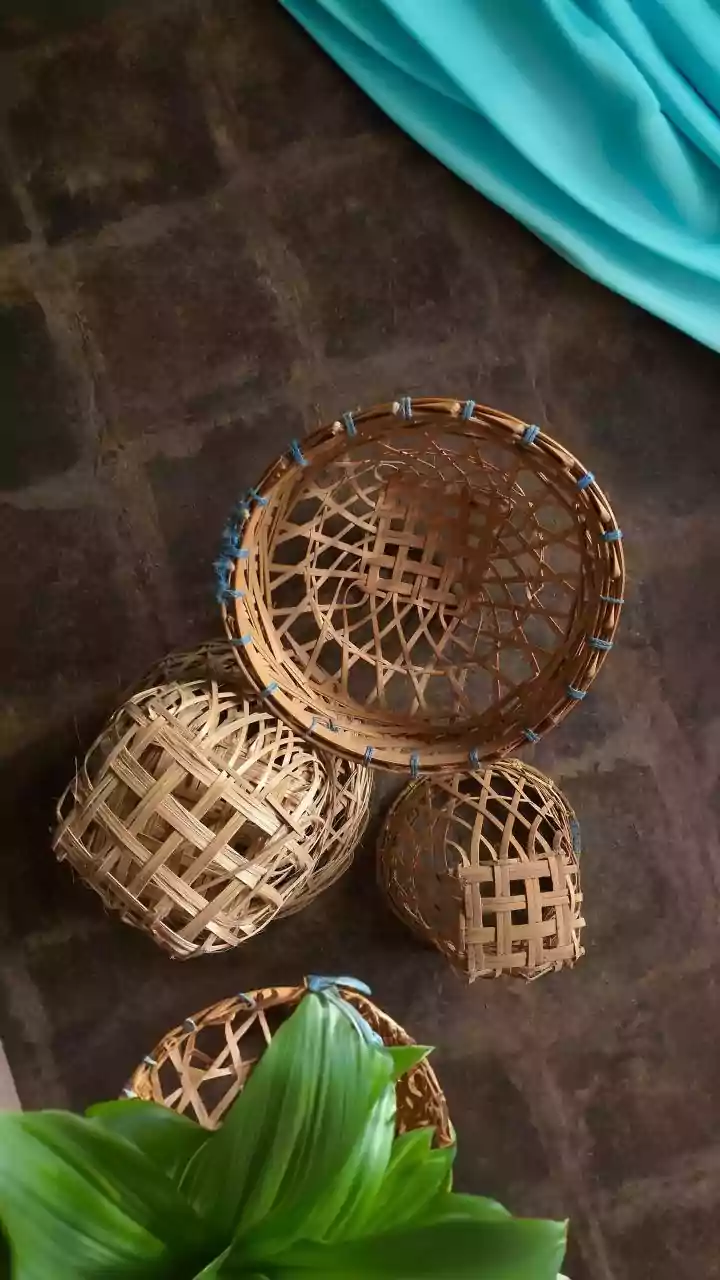
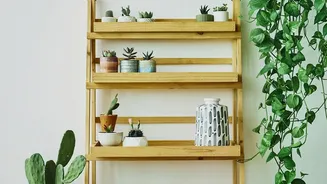
interior design principle that works wonders for plants is the 'rule of three'. Grouping items in odd numbers, particularly threes, creates a sense of harmony and natural asymmetry that is more pleasing to the eye than even-numbered arrangements. A single pot can look lonely, and two can feel too symmetrical or staged. Three pots, however, form a visual triangle that encourages your eye to move around the display, creating a dynamic and engaging look. This simple trick can make your plant corner feel instantly more intentional and professionally styled. Try arranging a trio of pots on a side table, shelf, or in an empty corner for immediate impact.
Play with Height and Scale
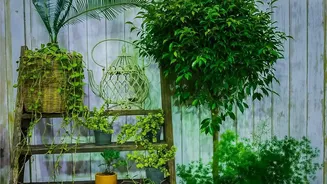
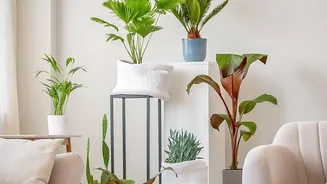
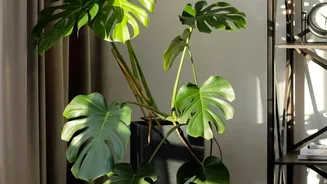
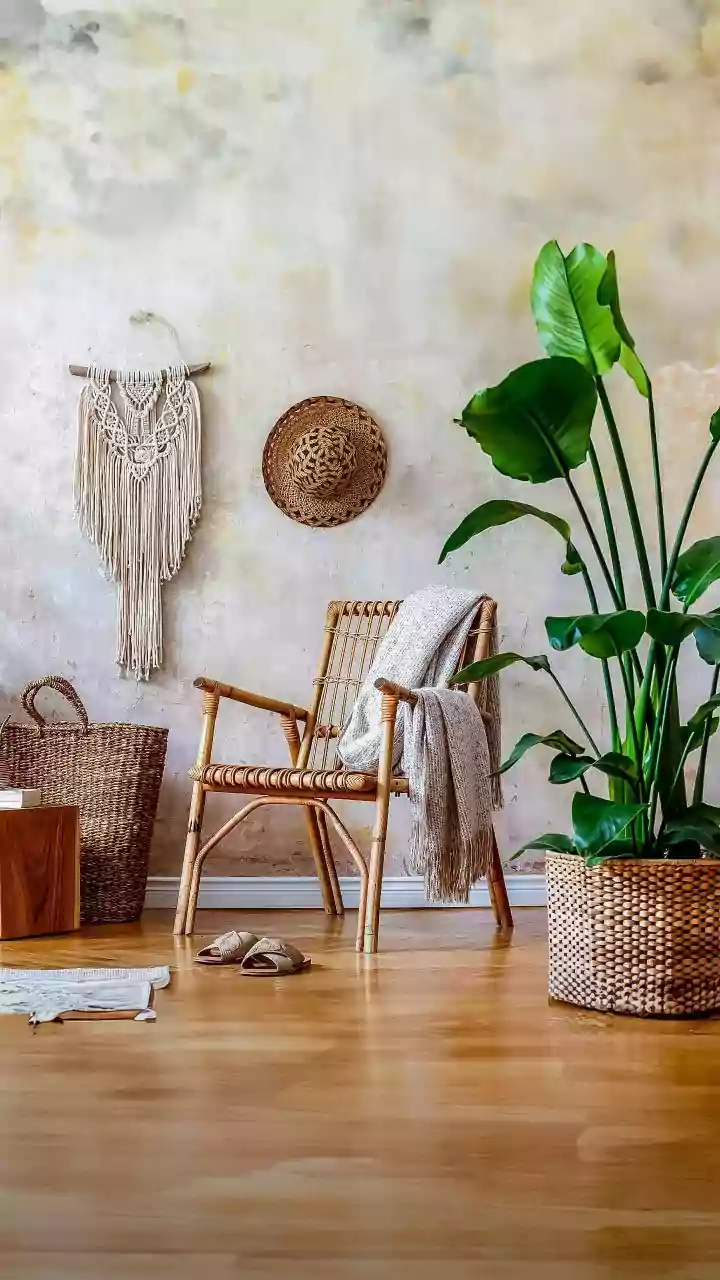
Creating visual balance isn't about making everything the same size; it's about variety. Layering plants and pots of different heights is crucial for adding depth and interest to your arrangement. Start with a tall 'anchor' plant to serve as the focal point, then build around it with medium and smaller plants. This 'thriller, filler, and spiller' concept, often used in outdoor container gardening, is just as effective indoors. A tall, upright plant provides structure, a bushier plant fills the middle ground, and a trailing plant can spill over the edge of its pot, softening the whole display. You can use plant stands, books, or small stools to elevate some pots and ensure each plant gets its own visual space.
Create Cohesion with Pots
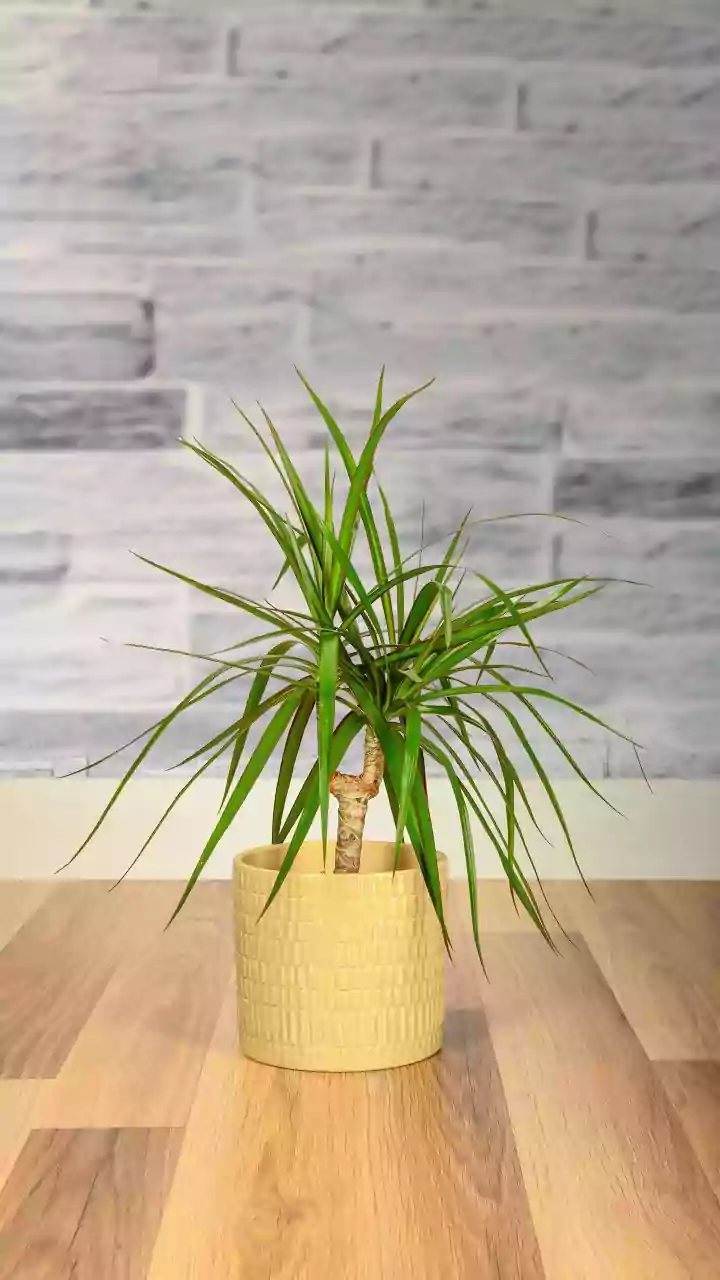
While the plants themselves are the stars, their containers play a vital supporting role. The pots you choose can either unify your grouping or create a chaotic jumble. For a cohesive and polished look, stick to a consistent theme with your planters. This doesn't mean they all have to be identical. You could choose pots made of the same material, like terracotta or ceramic, but in different shapes and sizes. Alternatively, select planters in a consistent color palette. Using pots of the same color, even if their shapes and textures vary, can tie the entire arrangement together and create a sophisticated, intentional display.
Mix and Match Textures and Shapes
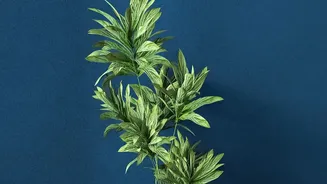
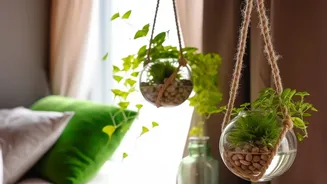
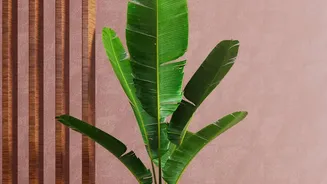
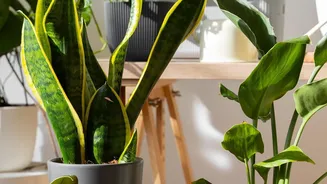
A truly captivating plant arrangement engages the eye with a variety of textures and leaf shapes. Think beyond just green and consider the foliage. Pair the large, waxy leaves of a Rubber Plant with the delicate, feathery fronds of a fern. Combine the sharp, architectural lines of a Snake Plant with the soft, trailing vines of a Pothos. This contrast prevents the grouping from looking flat or monotonous. By mixing hard and soft textures, bold and fine leaves, you create a rich, layered look that feels like a miniature, curated jungle. The different shapes and textures will catch the light in unique ways, adding another layer of visual appeal.
Consider Plant Care Needs
A beautiful arrangement is only sustainable if the plants within it are thriving. A practical but important consideration is to group plants with similar care requirements. Placing tropical plants that love high humidity together can help them create their own humid microclimate. Likewise, grouping succulents and cacti that prefer dry conditions and lots of sun makes watering simple and helps prevent overwatering. This not only makes your plant care routine more efficient but also ensures your carefully curated display remains healthy and lush for years to come. Your plants will be happier, and so will you.