
The Core Rule: Stay Dry
The primary challenge of a monsoon trek is not the trail's difficulty, but the pervasive dampness. Being wet for hours can lead to discomfort, chafing, and even hypothermia at higher altitudes. Your packing strategy should revolve around two principles:
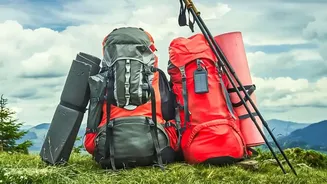
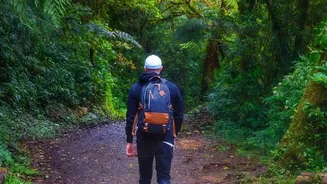
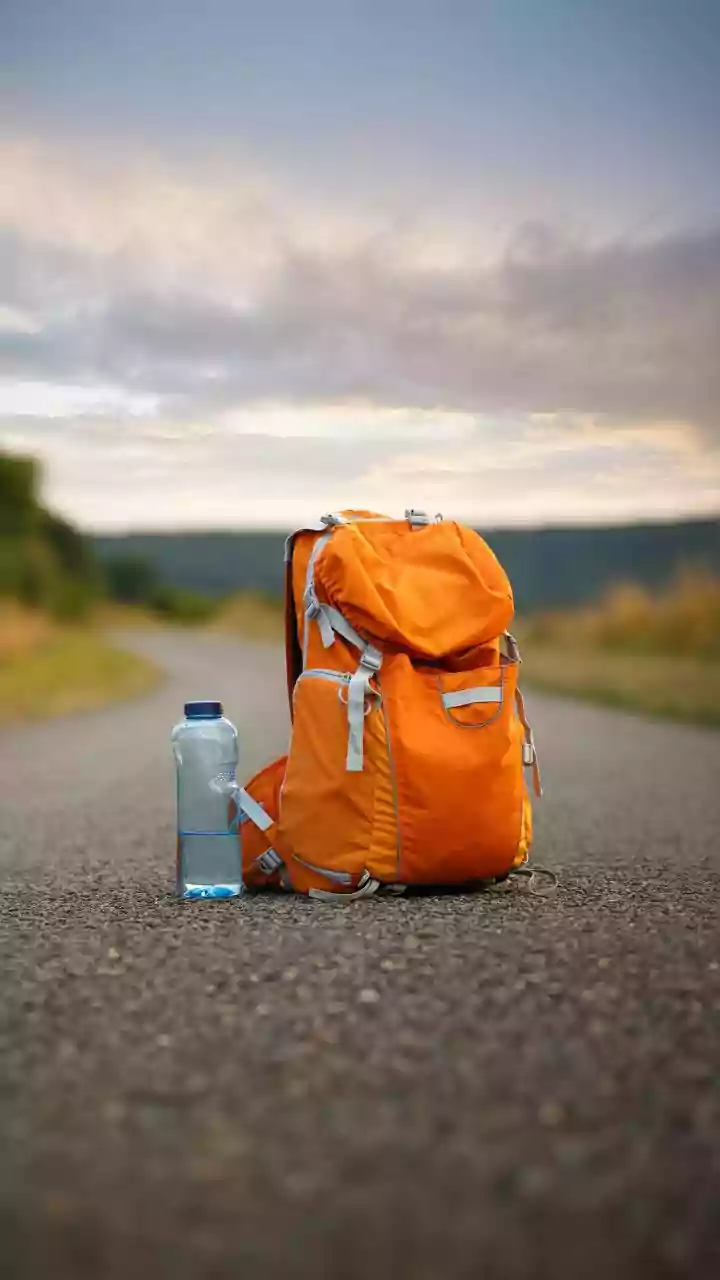
keeping water out and using materials that dry quickly when they do get wet. This starts with a reliable waterproof rain jacket and a sturdy poncho. A good poncho can cover both you and your backpack, offering excellent protection. Also, ensure your backpack has its own rain cover, preferably a brightly coloured one for better visibility.
Clothing: Synthetics Are Your Best Friend
Leave your cotton t-shirts and jeans at home. Cotton absorbs moisture and takes a very long time to dry, which is a recipe for disaster on a wet trek. Instead, opt for quick-drying synthetic fabrics like polyester or nylon for your t-shirts and trekking pants. Pack at least two sets of trekking clothes. It is a wise practice to keep one full set of clothes sealed in a dry bag, reserved only for changing into at the campsite for a dry night's sleep. Full-length trousers are also recommended over shorts to protect your legs from scratches, insects, and leeches.
Footwear: Grip is Non-Negotiable
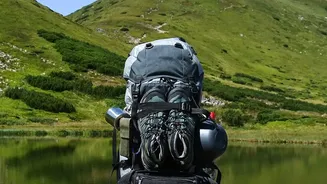
Monsoon trails, especially in ranges like the Sahyadris, are notoriously slippery due to wet, moss-covered rocks. Your most crucial piece of gear is a pair of high-quality waterproof trekking shoes with deep grooves on the sole for excellent grip. High-ankle support is highly recommended to prevent twists and sprains on uneven terrain. Avoid wearing casual sneakers or sandals while trekking. It's also vital to pack extra pairs of synthetic or wool socks to avoid blisters and keep your feet as dry as possible.
Internal Waterproofing: The Dry Bag System
Even with a good rain cover, moisture can seep into your backpack. The solution is to compartmentalise your gear within the pack using dry bags or heavy-duty zip-lock bags. Use separate dry bags for your electronics (phone, power bank, camera), spare clothes, and first-aid kit. This ensures that your most critical items remain functional and dry, no matter how intense the downpour gets. This internal system is what separates a comfortable trek from a miserable one.
Dealing with Leeches and Insects
In the lush, damp forests of the Western Ghats and Himalayas, leeches are a common nuisance during the monsoon. While generally harmless, they can be unsettling. To protect yourself, consider wearing leech-proof socks, which are long and fit snugly over your trousers. Carrying a small container of salt, tobacco powder, or hand sanitiser can help in detaching them if they do latch on. A good insect repellent is also essential to ward off mosquitoes and other bugs.
Essential Safety and Navigation Gear
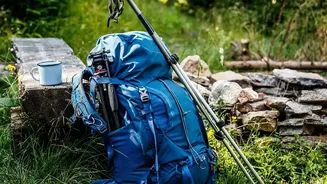
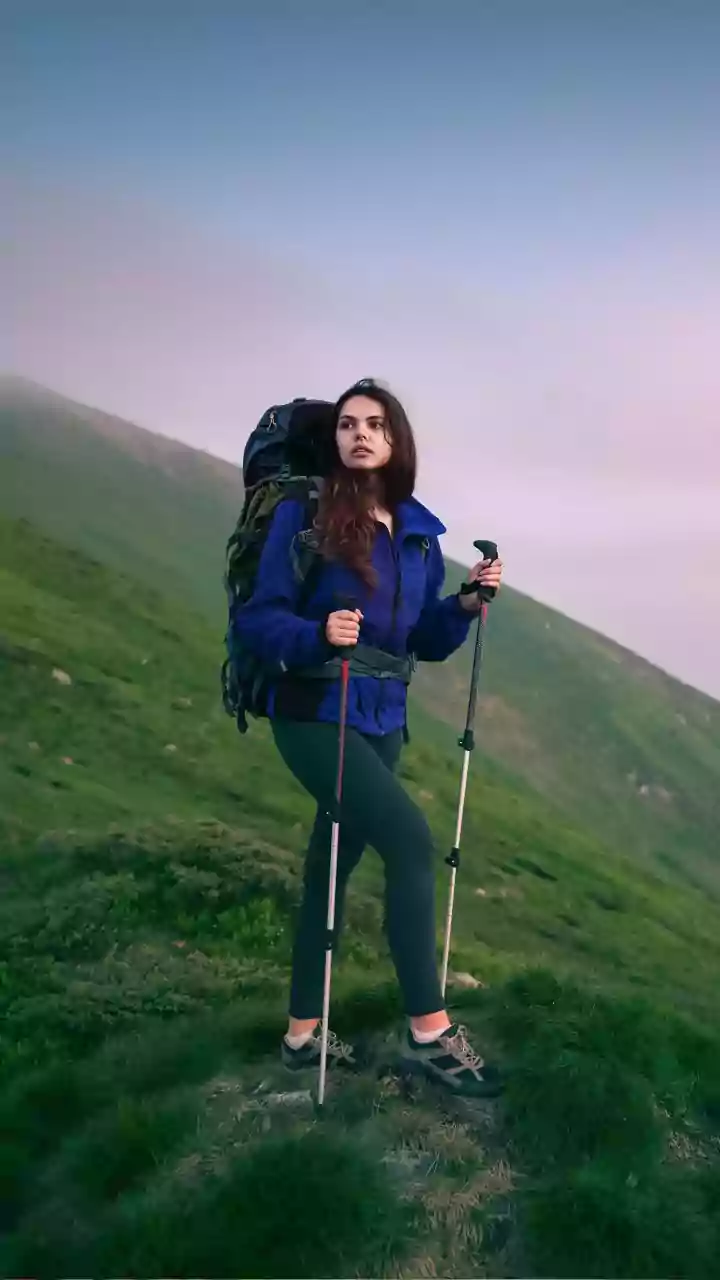
Monsoon weather can bring fog and reduce visibility, and daylight hours may feel shorter. Always carry a headlamp or a torch with extra batteries. A power bank for your phone is crucial, but don't rely on it entirely; having offline maps or a dedicated GPS device is a smart backup. A basic first-aid kit containing antiseptic wipes, bandages, pain relief spray, and any personal medications is mandatory. Finally, a trekking pole provides an extra point of contact with the ground, which significantly improves balance and confidence on slippery descents.