




What Are Thermo-Responsive Coatings?
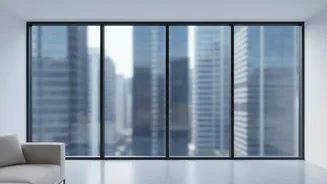
At its core, a thermo-responsive or thermochromic coating is a smart material that changes its properties in response to temperature. Imagine a window that knows when it's hot outside and automatically tints itself to block incoming solar heat, then turns
clear again as the day cools down. Unlike standard window films that offer a fixed level of tint, these advanced coatings dynamically adapt to the environment. This technology is not just a concept; it's an emerging solution designed to passively manage a building's temperature, reducing the need for constant air conditioning and heating.
The Science of Smart Windows
Thermo-responsive coatings typically use a special interlayer, often made of materials like polyvinyl butyral (PVB) or advanced hydrogels, sandwiched within the glass or applied as a film. This layer contains molecules that react to thermal energy. When sunlight heats the window to a certain temperature, these molecules change structure, causing the glass to darken or become opaque. This change reflects a significant portion of the sun's infrared radiation—the invisible light that carries most of its heat—while still allowing visible light to pass through. As the window cools, the process reverses, and the glass becomes transparent again, maximizing natural light during cooler parts of the day or in winter. This passive, automatic adjustment is the key to its efficiency, as it requires no electricity or manual controls to function.
Real-World Savings and Comfort
The primary benefit is, of course, energy savings. By blocking a large percentage of solar heat gain during the hottest parts of the day, these coatings can dramatically reduce the workload on air conditioning systems. Studies and simulations have shown that advanced window coatings can reduce annual cooling costs significantly. Some modern heat-blocking films can reject up to 97% of infrared light. This translates directly into lower electricity bills for apartment residents. Beyond cost savings, the technology enhances indoor comfort by eliminating hot spots near windows and reducing glare, making living spaces more pleasant year-round. This also lessens the wear and tear on HVAC equipment, potentially extending its lifespan.
More Than Just Heat Blocking
The advantages of these smart coatings extend beyond temperature control. By blocking up to 99.9% of harmful ultraviolet (UV) rays, they help protect furniture, flooring, and artwork from fading over time. This dual protection against heat and UV radiation makes it a comprehensive solution for modern homes. Additionally, some smart film technologies offer on-demand privacy, allowing users to switch the glass from transparent to opaque with the flick of a switch or a command from a smartphone app. This adds a layer of security and versatility that traditional blinds or curtains cannot match.
Availability in the Indian Market
The global market for thermochromic materials and smart glass is expanding rapidly, driven by the demand for energy-efficient buildings. While fully thermochromic window panes are still a premium product, a growing number of companies in India offer high-performance heat-blocking window films and nano-coatings that provide similar benefits. Brands like 3M, Saint-Gobain, and various domestic players provide films that can reject a high percentage of infrared and UV rays. Some Indian companies are also innovating with liquid nano-coatings that can be applied to existing glass. While the truly 'smart' auto-tinting technology is still making its way into the mainstream residential market, these high-performance films represent a currently available and effective step for Indian homeowners looking to combat the heat and reduce their energy consumption.