


First, Meet the Papad
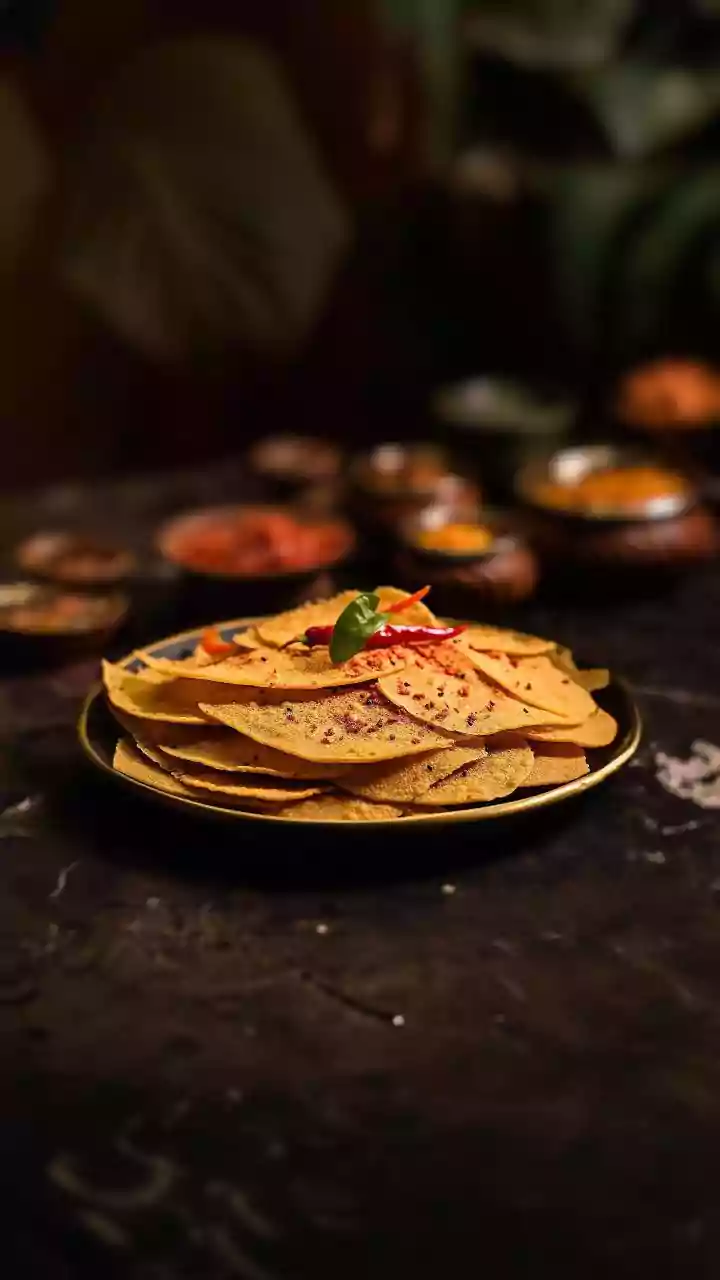
Before we get to the gourmet glow-up, let’s start with the basics. What is a papad? Known in many parts of the world as papadum, it’s a thin, crisp, disc-shaped cracker made from lentil, chickpea, or rice flour. In its uncooked state, it’s a brittle,
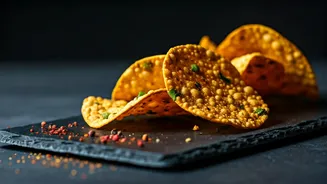
pale wafer. But when exposed to heat—either roasted over an open flame until it blisters and curls or deep-fried until it puffs up instantly—it transforms into an impossibly light and crunchy vessel for flavor. For decades in both India and the U.S., papads have been the unsung heroes of the Indian restaurant experience. They’re the complimentary basket of crisps you get with a trio of chutneys (tamarind, mint, and mango) while you decide between the saag paneer and the lamb vindaloo. They are reliable, delicious, and, until recently, a supporting actor, never the star.
The Classic Masala Papad
The first evolution of the plain papad was the masala papad, a beloved bar snack and appetizer across India. Think of it as India’s answer to loaded nachos, but with more elegance and aromatic spice. A large, freshly cooked papad becomes the base for a finely chopped mixture of raw onions, tomatoes, green chilies, and fresh cilantro. It's then showered with spices like chaat masala—a tangy, funky, and savory spice blend—and a squeeze of lime juice. The experience is a study in contrasts: the warm, earthy crunch of the papad against the cool, sharp freshness of the toppings. It’s a multisensory bite that’s simultaneously simple and complex, designed to awaken the palate before a meal. For years, this was the peak of the papad’s journey. It was a perfect, self-contained snack. But chefs were about to ask: what if it could be more?
Enter Textured Snackification
“Textured snackification” sounds like a term invented in a marketing boardroom, but it perfectly describes what’s happening. It’s the culinary trend of taking a simple, often one-note snack and intentionally layering it with a variety of textures and premium ingredients to create a more sophisticated, composed dish. It’s about moving beyond just flavor and focusing on the mouthfeel: the crunch, the creaminess, the pop, and the chew. In the hands of innovative chefs, especially those helming the new wave of modern Indian-American restaurants, the humble masala papad has become a perfect canvas for this movement. They are deconstructing the classic and rebuilding it with a focus on technique, ingredient quality, and surprise. The papad is no longer just a cracker; it’s the foundation of a “high crunch” gourmet creation.
The Gourmet Makeover in Action
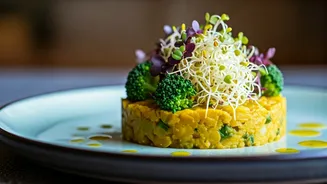
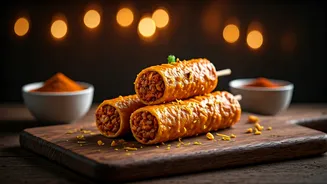
So what does a gourmet, texturally-snackified masala papad look like? Forget just onions and tomatoes. Imagine a mini papad cone filled with whipped goat cheese and topped with beet powder. Picture a black pepper papad serving as a crisp base for avocado salsa, pomegranate seeds, and a drizzle of spicy honey. At some modern Indian restaurants, you might find a papad topped with duck confit and a tamarind-date glaze. At others, it’s a delicate rice papad adorned with smoked salmon, dill cream, and crispy capers. The toppings are getting an upgrade—microgreens instead of roughly chopped cilantro, artisanal chutneys, savory foams, and even edible flowers. Each ingredient is chosen not just for its taste but for the texture it adds. The goal is to create a single bite that delivers a symphony of sensations: crispy, creamy, crunchy, juicy, and tender, all at once.
Why Now? It's More Than Just a Snack
This trend isn't happening in a vacuum. It’s part of a larger, exciting shift in how America perceives and consumes Indian food. For years, Indian cuisine in the U.S. was largely represented by a standardized menu of Northern Indian buffet classics. Now, a new generation of chefs is confidently exploring regional diversity, family recipes, and modern techniques. They are reclaiming ingredients and dishes, presenting them in contexts that are both authentically rooted and creatively forward-thinking. The elevation of the masala papad is a microcosm of this movement. It signals a confidence that diners are ready to move beyond the familiar and embrace the nuance and complexity that Indian cuisine has always offered. It’s a delicious sign that the American palate is growing up, and the papad, once a humble sidekick, is finally getting its main-character moment.