





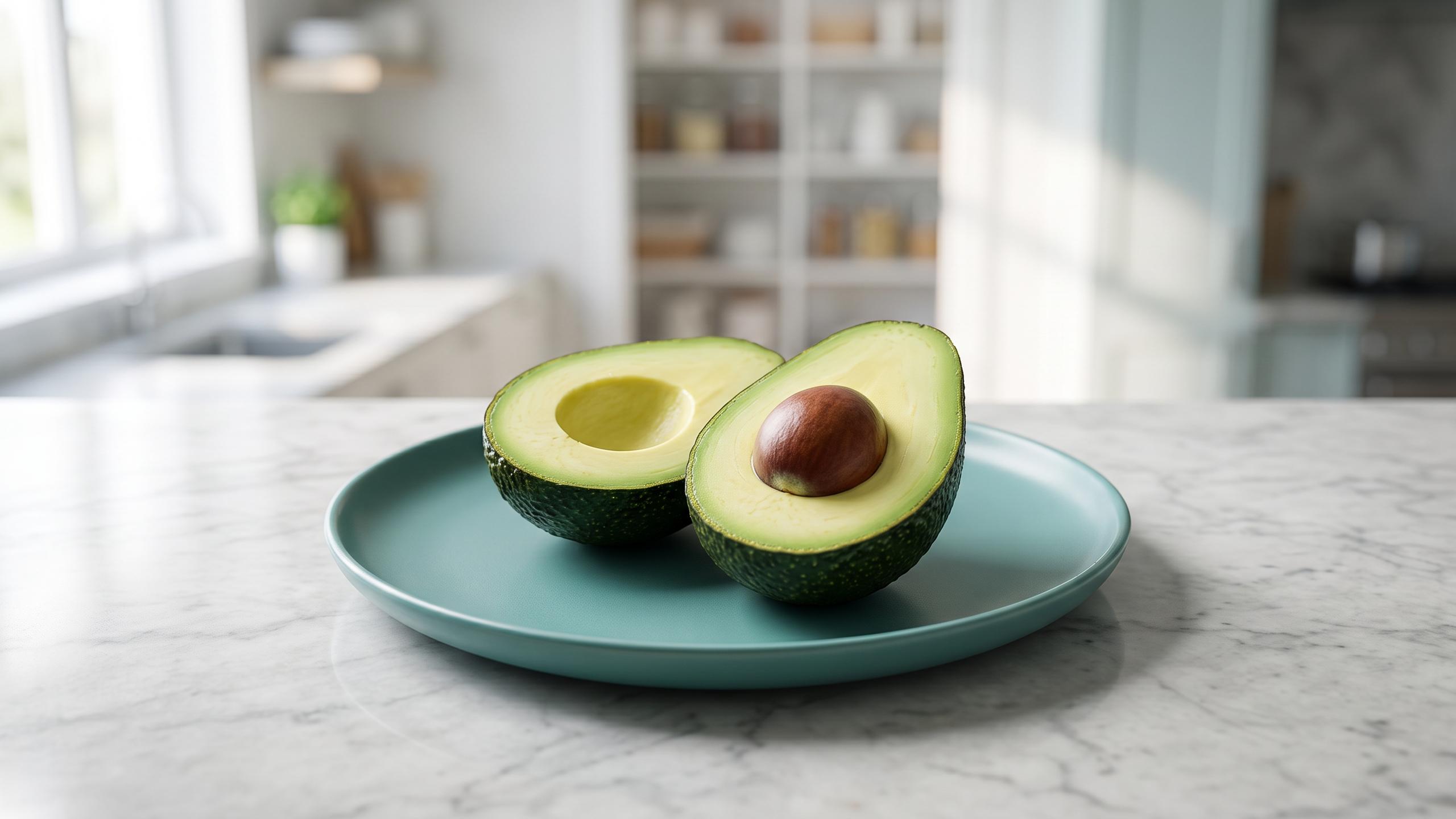
Avocados are celebrated for their creamy texture and healthy fats, but their benefits might extend deeper, into our brains. The secret may lie in two powerful compounds, lutein and zeaxanthin, but how strong is the scientific connection?
Meet the Power Duo: Lutein and Zeaxanthin
Before diving
into avocados, it's important to understand lutein and zeaxanthin. Both are carotenoids, which are pigments produced by plants that give many fruits and vegetables their vibrant yellow, orange, and red colours. In the human body, they act as powerful antioxidants, helping to protect cells from damage caused by unstable molecules called free radicals. Our bodies can't produce these essential nutrients on their own, so we must get them from our diet. They are found in high concentrations in leafy green vegetables like spinach and kale, as well as in other colourful produce and egg yolks.
The Established Link to Eye Health
The most well-researched benefit of lutein and zeaxanthin is their profound impact on eye health. These compounds accumulate in the retina, particularly in the macula, which is the part of the eye responsible for sharp, detailed central vision. Here, they act like internal sunglasses, filtering harmful high-energy blue light from the sun and digital screens. Extensive research shows that a diet rich in these carotenoids is associated with a lower risk of developing age-related eye conditions like macular degeneration (AMD) and cataracts. By reducing oxidative damage and inflammation, they play a crucial role in preserving our vision as we age.
Where Avocados Fit In
While leafy greens are the top sources, avocados are also a notable source of lutein and zeaxanthin. A standard serving of avocado contains a significant amount of these compounds. What makes avocados particularly interesting is their fat content. Lutein and zeaxanthin are fat-soluble, meaning your body absorbs them more efficiently when consumed with fats. Since avocados are naturally rich in monounsaturated fats, they not only provide these carotenoids but also create the perfect vehicle for their absorption, both from the avocado itself and from other vegetables you might eat with it, like in a salad.
The Emerging Evidence for Brain Health
The connection between these compounds and the brain is a growing area of research. Just as they accumulate in the retina, lutein is also the dominant carotenoid in the brain. This has led scientists to hypothesize that they could play a protective role in cognitive function. Several observational studies have found that higher dietary intakes and blood levels of lutein and zeaxanthin are associated with better cognitive performance, including memory and reasoning, and a lower risk of dementia. Some clinical trials have shown promising results. One study on older adults found that daily avocado consumption for six months led to increased lutein levels and improvements in working memory and problem solving skills. Another trial showed supplementation with lutein and zeaxanthin improved cognitive function in young, healthy adults.
The Realm of Uncertainty
Despite these encouraging findings, it's crucial to acknowledge the uncertainty. The link between lutein, zeaxanthin, and brain health is not as definitively established as the link to eye health. Much of the evidence is observational, meaning it shows an association rather than a direct causeandeffect relationship. Clinical trials have often been small and have produced mixed or specific results. For instance, one trial noted improvements in visual memory but not in other cognitive areas. Some researchers suggest that the cognitive benefits might be an indirect result of improved eye health, as untreated vision loss is a known risk factor for dementia. More large scale, long term studies are needed to fully understand the direct impact of these nutrients, and of avocados specifically, on brain aging and to establish clear dietary recommendations for cognitive health.