




The New Price of Admission
Going to the movies in India is no longer a casual outing; it's an investment. With rising ticket prices, expensive popcorn, and the cost of travel, a family of four can find themselves spending a significant amount for a single show. This economic reality
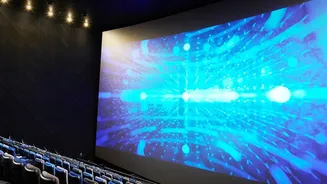
has created a 'paisa vasool' (value for money) mindset. Audiences are asking a crucial question: is this experience something I can't get at home? Visual spectacles, with their booming sound, epic scale, and computer-generated worlds, provide a clear and resounding 'yes'. They offer an immersive experience that a television screen simply cannot replicate, justifying the expense and effort. This makes the decision to go to the theatre less about seeing a film and more about attending an event.
The OTT Platform's Long Shadow
The boom in Over-the-Top (OTT) streaming services like Netflix, Amazon Prime Video, and Disney+ Hotstar has been the single biggest disruptor. With a vast library of films available anytime, anywhere, the bar for what is 'theatre-worthy' has been raised considerably. Why would audiences spend time and money on a mid-budget drama or a subtle comedy when they know a similar film will likely land on a streaming platform within a few weeks? This convenience has trained viewers to be more selective. They now reserve their theatrical outings for films that demand the big screen—the action blockbusters, the historical epics, and the sci-fi extravaganzas that lose their impact when watched on a smaller device.
Cinema as a Communal Experience
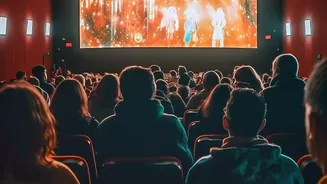
The biggest spectacles are more than just movies; they are cultural events. Think of the collective cheers, whistles, and applause during a superstar's entry or a jaw-dropping action sequence in films like 'RRR', 'Pathaan', or 'KGF'. This communal viewing experience is a powerful draw that streaming cannot replicate. These films are designed to be shared, discussed, and celebrated in a packed auditorium. Social media amplifies this, creating a sense of urgency and a fear of missing out (FOMO). Seeing a spectacle on opening weekend becomes a way to participate in a nationwide conversation, turning a personal viewing choice into a public, social activity.
The Squeeze on Mid-Budget Cinema
The headline's claim that spectacles drive all growth is an exaggeration, but it reflects a harsh reality. The intense focus on event films has put a severe squeeze on mid-budget, story-driven cinema at the multiplex. These films, once the backbone of the industry, now struggle for screens and audience attention. While a handful of content-driven films with strong word-of-mouth still break through, many are now developed with a streaming-first strategy in mind. This creates a polarized market: at one end are the mega-blockbusters designed for a massive opening weekend, and at the other is content for OTT. The middle ground, where so many memorable films once thrived, is finding it harder to compete for the theatrical audience's attention and money.
The Pan-Indian Blueprint
The rise of the visual spectacle is intrinsically linked to the pan-Indian film phenomenon. Movies from South India, such as the 'Baahubali' franchise and 'RRR', demonstrated that a grand visual language can transcend linguistic and cultural barriers. These films rely on universally understood emotions and high-octane action, making them accessible to a national audience. Bollywood has quickly adopted this blueprint, producing its own slate of large-scale event films. This strategy not only maximizes domestic box office potential but also appeals to the global diaspora, further incentivizing producers to invest in scale and spectacle over smaller, more regionally-focused stories. This has become the most reliable, if not the only, formula for generating the massive box office numbers that define success today.