


The Building Blocks: Amino Acids
At its core, protein is made of compounds called amino acids, which are essential for building and repairing tissues, supporting our immune system, and creating enzymes and hormones. Our bodies use 20 different amino acids. Of these, 11 can be produced
internally—these are called non-essential amino acids. The other nine must be obtained from the food we eat, earning them the name 'essential amino acids'. Think of these nine as the non-negotiable ingredients your body needs from your daily diet to function correctly.
What Makes a Protein 'Complete'?
A food source is considered a 'complete protein' when it contains all nine essential amino acids in sufficient amounts. Animal-based foods like meat, fish, eggs, and dairy products are classic examples of complete proteins. On the other hand, an 'incomplete protein' is a food that is low in, or missing, one or more of these essential amino acids. The specific essential amino acid that is in shortest supply in a food is called its 'limiting amino acid' because it limits the body's ability to build its own proteins.
Measuring Quality: PDCAAS and DIAAS
To standardize protein quality, scientists use scoring systems. The most established one is the Protein Digestibility-Corrected Amino Acid Score (PDCAAS). This score measures a protein's amino acid balance and how digestible it is, on a scale from 0 to 1.0, with 1.0 being the highest quality. A newer, more precise method is the Digestible Indispensable Amino Acid Score (DIAAS). It measures the absorption of each individual amino acid and its scores can exceed 100%, offering a more detailed look at protein quality. For consumers, the key takeaway is that these scores help determine how efficiently our bodies can use the protein we eat.
The Plant Protein Puzzle
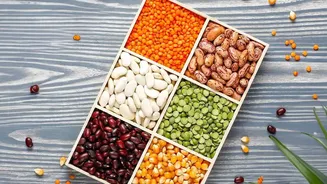
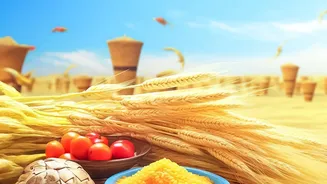
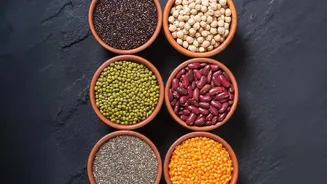
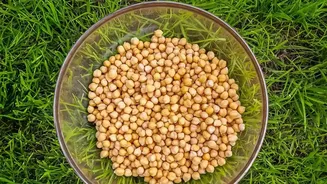
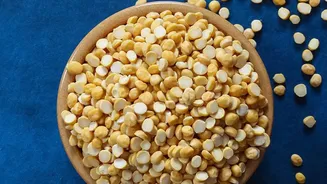
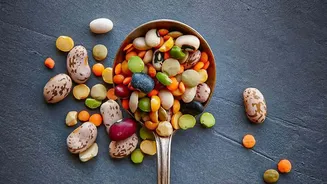
Most plant-based foods, when eaten alone, are considered incomplete proteins. This isn't a flaw, but a characteristic of their natural composition. They usually have a limiting amino acid. For instance, grains like rice and wheat are typically low in the essential amino acid lysine. Conversely, legumes like dals, chickpeas, and beans are rich in lysine but low in another essential amino acid, methionine. This is where the wisdom of traditional diets comes into play, offering a simple and effective solution.
The Smart Solution: Food Synergy
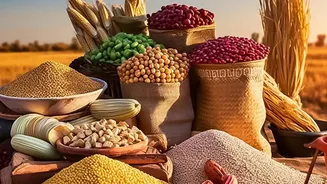
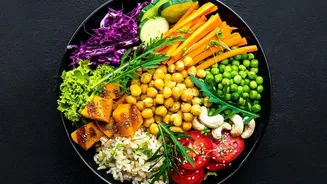
The concept of pairing different plant foods to create a complete protein profile is known as protein complementation. By combining foods with different limiting amino acids, you effectively fill in each other's nutritional gaps. When you eat grains and legumes together, the lysine from the legumes compensates for the lack of it in the grains, while the methionine from the grains makes up for what's missing in the legumes. This synergy creates a meal with a complete set of essential amino acids, just as you would get from an animal source. It's important to note you don't always have to eat them in the same meal; your body can pool amino acids throughout the day.
Classic Indian Pairings for Complete Protein
Indian cuisine is a masterclass in protein complementation, often without us even realizing it. These everyday combinations are nutritionally powerful examples of creating complete proteins: - Dal and Rice: The quintessential Indian meal is a perfect protein pair. The lysine in dal complements the methionine in rice. - Roti and Dal: Similar to rice, wheat-based roti is low in lysine, which is abundantly supplied by any accompanying dal, such as toor, moong, or masoor. - Rajma and Chawal: This beloved North Indian dish combines kidney beans (rich in lysine) with rice (rich in methionine) to form a delicious and complete protein meal. - Idli/Dosa with Sambar: The fermented batter of rice and urad dal is already a combination of a grain and a legume. When served with sambar (lentil stew), the protein profile is further enhanced. - Khichdi: Made from rice and moong dal, this ultimate comfort food is also a complete protein powerhouse, designed for easy digestion and maximum nutrient absorption. Other examples include chana masala with rice or bhature, and even pairing millets like jowar or bajra with dals.