







As millions of people travel home for Diwali, Indian Railways is implementing comprehensive crowd control protocols across its busiest stations to ensure passenger safety and smooth transit during one of the year's biggest travel rushes.
Why This Plan is Crucial
The festive season,
particularly Diwali and the succeeding Chhath Puja, triggers one of the largest annual domestic migrations in India. Major railway stations, especially in northern and eastern corridors, see an unprecedented surge in footfall, creating immense logistical challenges and safety risks. To prevent dangerous overcrowding, stampedes, and to ensure orderly boarding, Indian Railways, in coordination with the Railway Protection Force (RPF) and Government Railway Police (GRP), activates a detailed crowd management strategy each year. This year's plan focuses on pre-emptive measures to manage passenger flow from the moment they enter the station premises.
Platform Ticket Restrictions
One of the most significant measures is the temporary suspension of platform ticket sales at key junctions. This is done to limit the number of non-passengers on platforms, which can otherwise obstruct movement and add to congestion. For Diwali 2026, Northern Railway has suspended platform ticket sales at six major Delhi stations, including New Delhi, Delhi Junction, and Anand Vihar Terminal, from November 3 to November 14. Similarly, Central Railway has restricted sales at Pune and Nashik Road stations from November 1 to November 15. However, exemptions are in place for those assisting senior citizens, sick passengers, children, or others who genuinely require support.
Special Holding Areas and Queue Management
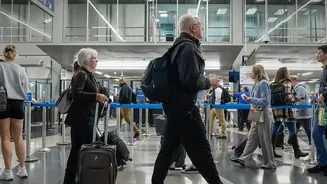
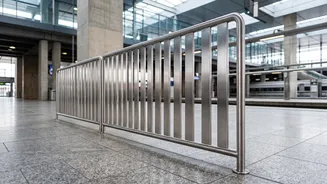
To regulate the flow of people onto platforms, many major stations are setting up temporary holding areas, often called 'Yatri Suvidha Kendras'. These are typically large, sheltered enclosures or pandals erected outside the main station building. Here, passengers can wait before being allowed onto the platforms in an organised manner according to their train's schedule. These areas are equipped with basic amenities like extra ticket counters, seating, drinking water, help desks, and public announcement systems to guide travellers. Barricades and dedicated lanes for entering and exiting the station further streamline the process.
Enhanced Security and Surveillance
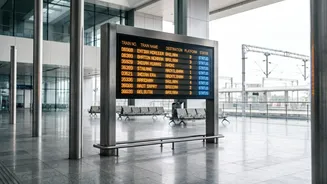
A heavy deployment of RPF and GRP personnel is a cornerstone of the festive security plan. Extra staff are stationed at critical points like foot-over-bridges, platforms, and near general-class coaches, which are prone to overcrowding. In addition to manpower, technology plays a key role. Round_the_clock CCTV monitoring from dedicated control rooms allows for real_time tracking of crowd density, enabling quick responses to potential bottlenecks. At some locations, authorities may also use drone_assisted surveillance to get a better overview of station premises.
Special Trains and Passenger Guidance
To meet the massive demand, Indian Railways is running numerous festival_special trains. Eastern Railway, for example, has announced several unreserved and reserved special services connecting West Bengal with destinations in Bihar and Uttar Pradesh throughout November. Passengers are strongly advised to arrive at the station well in advance of their departure time, often two to three hours earlier than usual, to navigate the security checks and crowd systems. Officials urge travellers to check their coach positions beforehand and follow all announcements made by railway staff to ensure a safe and hassle_free journey.