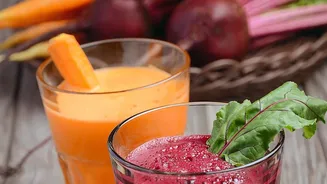



The Allure of the Press
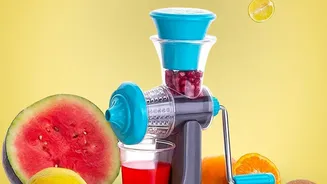
First, let's clarify what 'cold-pressed' means. Unlike traditional centrifugal juicers that use fast-spinning blades and generate heat, a cold-press juicer uses a hydraulic press to slowly crush and squeeze produce. The marketing claim is that this gentle
process preserves more vitamins, minerals, and live enzymes that would otherwise be damaged by heat and oxidation. This has positioned cold-pressed juice as a premium, nutritionally superior option, making it an easy choice for health-conscious consumers looking for a quick nutrient boost.
Myth: Juice Cleanses 'Detox' Your Body
One of the most persistent myths is that juice cleanses or fasts can flush toxins from your system. The reality is that your body already has a highly efficient, built-in detoxification system: your liver and kidneys. There is no strong scientific evidence to support the idea that drinking only juice enhances this natural process. While a juice cleanse might lead to short-term weight loss due to severe calorie restriction, this is mostly water weight and is typically regained once a normal diet is resumed.
The Hidden Sugar Flood
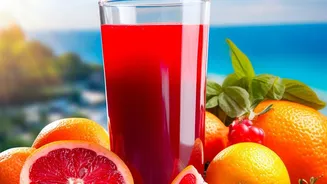
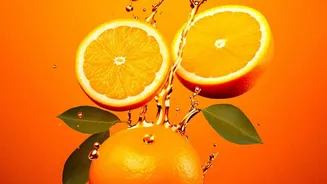
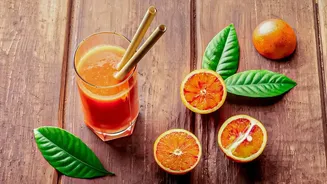
Here's the core issue: juice, even 100% cold-pressed fruit juice, is a highly concentrated source of sugar. An average 240 ml glass of apple juice can contain around 24 grams of sugar, while orange juice has about 21 grams—comparable to many sugary sodas. It takes several oranges to make one glass of juice, which you can drink in minutes. You would likely not eat that many whole oranges in one sitting. Because the sugar is in liquid form and stripped of its fiber, it is absorbed rapidly, which can lead to sharp spikes in blood sugar levels.
Myth: Juice Is the Same as Eating Whole Fruit
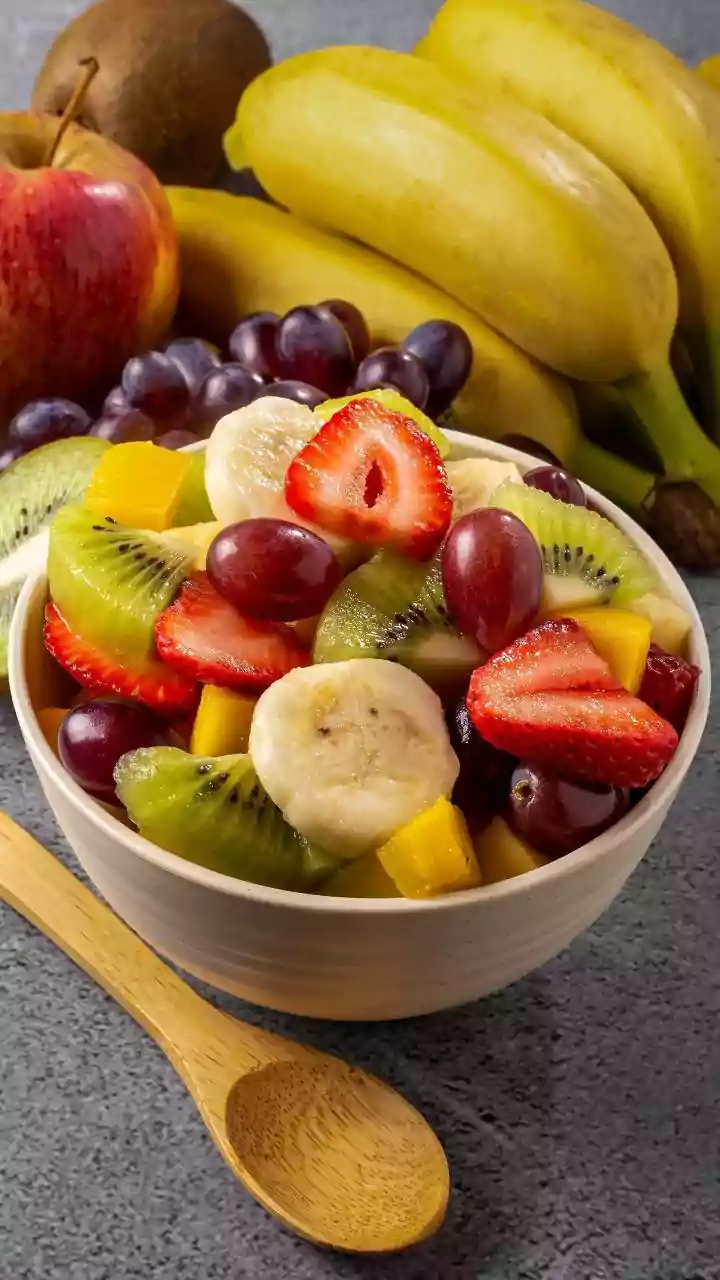
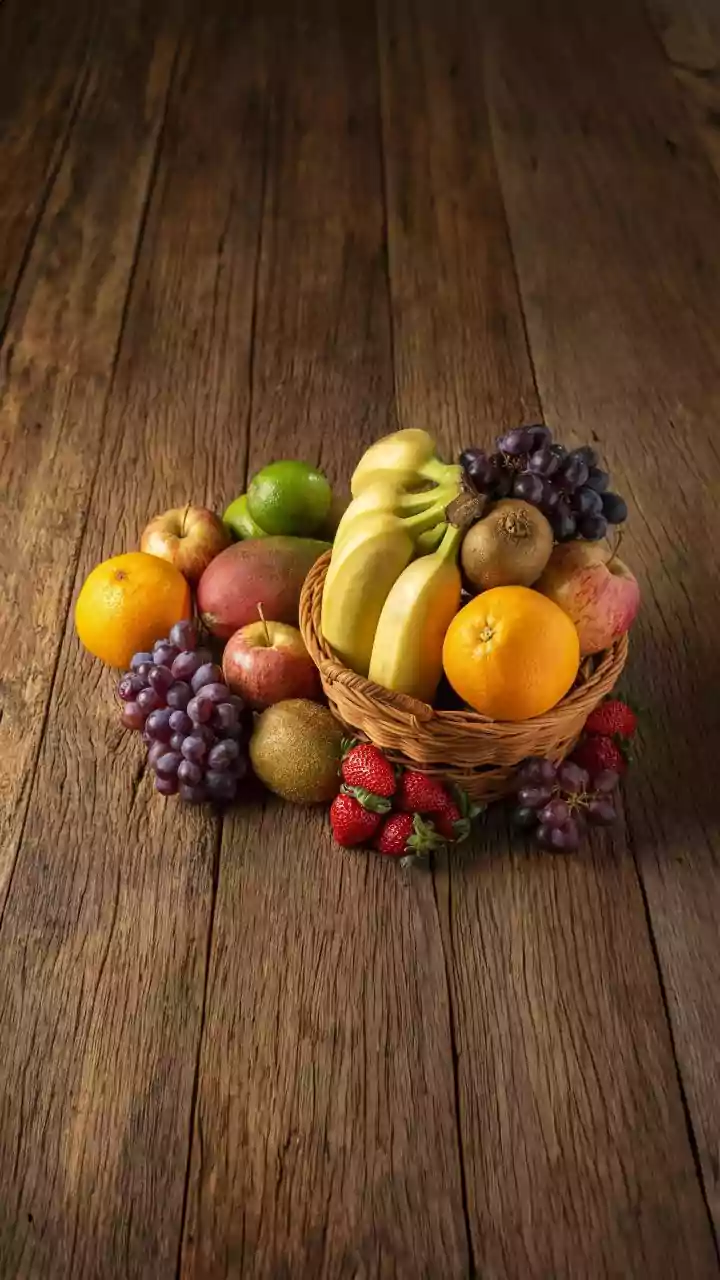
This is perhaps the most misleading belief. The single most important difference between juice and whole fruit is the absence of dietary fiber. The juicing process, whether cold-pressed or not, removes most of the insoluble fiber, which is found in the pulp and skin of the produce. This fiber is crucial for health. It slows down digestion, helps regulate the body's use of sugar, and provides a feeling of fullness, or satiety, which helps control overall calorie intake. By drinking juice, you get the fruit's sugar and water, but you leave the most beneficial part behind.
So, Is It Ever a Good Choice?
This doesn't mean cold-pressed juice is entirely without merit. It can be a quick way to consume some vitamins and minerals, especially for those who struggle to eat enough fruits and vegetables. However, it should not be seen as a substitute for whole foods. A smarter approach is to choose juices that are primarily made from vegetables like kale, cucumber, and celery, with a small amount of fruit like an apple or lemon for flavour. This dramatically reduces the sugar content while still providing a dose of nutrients.
A Better Alternative: The Smoothie
If you're looking for a convenient liquid meal that retains the goodness of whole produce, consider smoothies. Blending uses the entire fruit or vegetable, meaning all the valuable fiber remains in your drink. This makes a smoothie more filling and helps to slow the absorption of sugar, preventing the dramatic blood sugar spikes associated with juice. Just be mindful of adding sugary yogurts or sweeteners, which can turn a healthy smoothie into a dessert.