




Tulsi: The Queen of Herbs
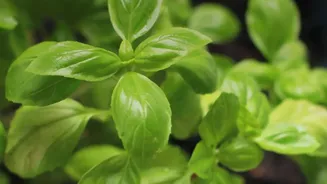
Known as Holy Basil, Tulsi is revered in India for its spiritual and medicinal properties. It's an excellent choice for a winter windowsill because it's a tropical plant that prefers warmth, making it ideal for indoor cultivation when temperatures drop.
While it loves sunshine, it can thrive indoors on a sunny, south-facing windowsill that receives at least four to six hours of light. Growing Tulsi provides immediate access to fresh leaves for your morning tea, which is prized in Ayurveda for its ability to boost immunity, reduce stress, and aid respiratory health. The plant's potent scent also acts as a natural air purifier and insect repellent. To keep your Tulsi plant bushy and productive, pinch off the flowering tops regularly; this encourages more leaf growth. Water it only when the top inch of soil feels dry, as overwatering is the most common issue, especially during winter when the plant's growth slows.
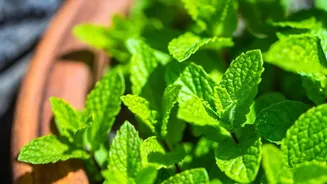
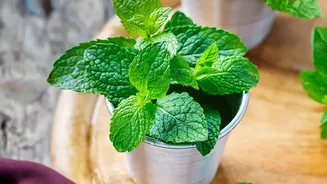
Mint: The Vigorous Refresher
Mint, or Pudina, is famously easy to grow and its refreshing aroma can instantly liven up a kitchen. It's an aggressive spreader in a garden bed, which makes it perfectly suited for the confines of a pot. Mint is quite resilient and can be brought indoors in autumn to continue harvesting through the winter. It does well on a bright windowsill, and while it enjoys sun, it can tolerate less light than many other herbs. Keeping the soil consistently moist but not waterlogged is key to a happy mint plant. Check the top inch of soil, and water when it feels dry. A pot of fresh mint offers endless culinary possibilities—from adding a fresh kick to chutneys, raitas, and beverages to garnishing desserts. Its leaves can be harvested regularly by simply pinching off stems, which encourages the plant to become fuller and more productive.
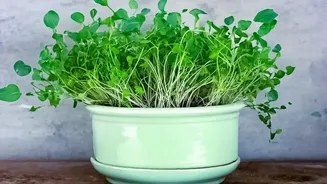
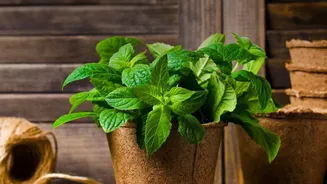
Coriander: The Flavour of Freshness
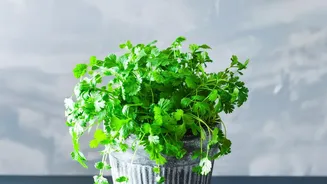
Fresh coriander, also known as Dhania, is a staple in Indian cooking, but store-bought bunches can wilt quickly. Growing your own ensures a constant supply of crisp, flavourful leaves. Coriander can be successfully grown indoors on a windowsill, especially during the winter, as cooler indoor temperatures can help prevent it from 'bolting' (flowering prematurely). It prefers a spot with good sunlight but can benefit from some shade during the hottest part of the day to encourage leaf production. Coriander has a taproot, so it’s best to sow seeds directly into a pot that is at least 20 cm deep to give it room to grow. Keep the soil consistently moist to prevent stress, which can also cause bolting. For a continuous harvest, sow a small batch of seeds every few weeks. Within a few weeks, you'll be able to snip fresh leaves to garnish curries, dals, and salads, adding a burst of freshness that is hard to beat.
Tips for Windowsill Success
To ensure your windowsill herb garden thrives, a few general rules apply. First, choose the right pots. Containers with drainage holes are essential to prevent water from logging at the roots, which can cause rot. A pot that is 6 to 10 inches deep is a good starting point for most herbs. Second, use a good quality potting mix rather than garden soil, which can become too compacted in a pot. A mix of soil, compost, and sand or cocopeat will keep the roots aerated and healthy. Finally, placement is crucial. A south-facing window is often ideal as it provides the most light, which is particularly important during the shorter days of winter. Rotate your pots every week or so to ensure all sides of the plant get light, promoting even growth. Don’t be afraid to harvest your herbs regularly; this encourages them to grow busier and produce even more leaves for you to enjoy.