
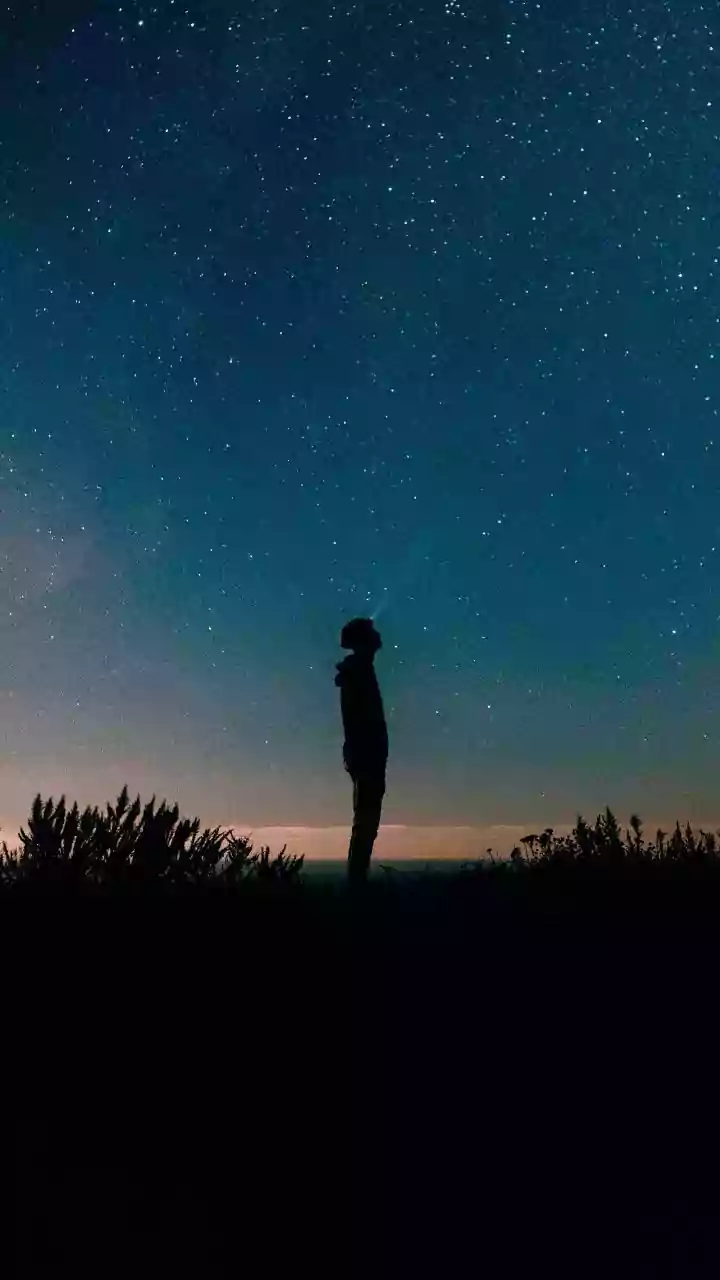



A Sanctuary for the Stars
Deep within Ladakh's Changthang Wildlife Sanctuary lies Hanle, a village that is now the heart of a pioneering conservation effort. The Hanle Dark Sky Reserve is India’s first such designated area, created to protect its exceptionally dark and clear night
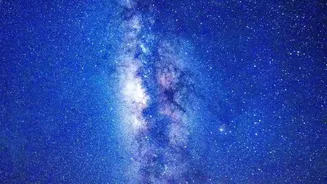
skies from the ever-growing threat of artificial light pollution. Established through a partnership between the local administration and the Indian Institute of Astrophysics (IIA), the reserve covers a radius of roughly 22 kilometres. This initiative isn't just about pretty views; it's a formal commitment to preserving a natural resource that is critical for scientific research, and increasingly, a source of wonder and livelihood for the community. The goal is to keep the skies pristine, ensuring that what you see overhead is the pure light of stars and galaxies, not the glow of human activity.
Why Hanle? A Perfect Cosmic Vantage Point
The selection of Hanle was no accident. For decades, scientists have known this region is an astronomical paradise. Perched at an altitude of 4,500 metres, its thin, dry air and minimal cloud cover create nearly perfect conditions for observing the universe. The area boasts over 270 clear nights a year, a key reason the IIA established the Indian Astronomical Observatory (IAO) here back in 2001. Hanle's sky is rated Bortle 1, the darkest classification possible, putting it on par with a handful of the most remote and unpolluted sites on Earth. This natural advantage means that powerful telescopes can conduct deep-space research without interference, a crucial factor for their sensitive work. The reserve simply formalises the protection of these world-class conditions.
Guarding the Galaxy from Light Pollution
Safeguarding a dark sky requires a community-wide effort. The reserve has implemented a strict Light Management Plan to combat light pollution from all sources. This involves practical, low-cost solutions for the local population. Every home within the reserve has been provided with special blackout curtains to prevent light from escaping windows. Outdoor lamps have been fitted with downward-facing shades, and residents have been given warm-toned bulbs that cause less skyglow. There are also rules for vehicles, which will be prohibited from using high-beam headlights within the protected zone. These collective measures ensure that any artificial light is minimal, targeted, and does not spill upwards to interfere with the night sky, protecting both the scientific instruments and the natural view.
Astro-Tourism and Local Empowerment
The Hanle Dark Sky Reserve is more than a scientific project; it's a sustainable development model that empowers the local community. The initiative has spurred a new wave of 'astro-tourism,' attracting visitors from around the world who want to experience a truly dark sky. To support this, the Indian Institute of Astrophysics has trained dozens of local villagers, many of them women, to become 'astronomy ambassadors' or 'astropreneurs'. Equipped with telescopes and knowledge of the cosmos, they now guide tourists through the wonders of the night sky, conducting stargazing sessions at their homestays. This has created a new, sustainable source of income that is directly tied to the preservation of the region's unique environment, turning former nomads and farmers into celestial guides and hosts.