







Why Your Diet Needs a Seasonal Shift
The rainy season, or 'Varsha Ritu' in Ayurveda, is traditionally seen as a time when our digestive fire, or 'agni', is at its weakest. This makes the body more susceptible to digestive issues like bloating and indigestion. At the same time, the damp,
humid environment is ideal for the growth of bacteria and viruses, increasing the risk of water-borne diseases and common infections like the cold and flu. A thoughtful monsoon diet focuses on foods that are light, easy to digest, and packed with immunity-boosting properties. The emphasis shifts to warm, freshly cooked meals over raw, cold, or heavy foods.
Embrace Seasonal Vegetables
While the desire for fried snacks like pakoras is strong, your daily meals should centre on vegetables that thrive this season. Gourds such as bottle gourd (lauki), ridge gourd (turai), and bitter gourd (karela) are excellent choices. They are light on the stomach and rich in essential nutrients. Bitter gourd, in particular, is valued for its immunity-boosting properties and is high in Vitamin C. Vegetables like okra (bhindi) and cluster beans (gawaar) are also harvested during this time and are great additions to your plate. It's wise to be cautious with leafy greens; if you do eat them, ensure they are washed thoroughly, preferably in salt water, and cooked completely to eliminate any germs.
Power Up with Monsoon Fruits
Certain fruits are at their peak during the monsoon and offer a significant nutritional punch. Jamun (Java plum) is a low-calorie seasonal favourite, rich in iron, potassium, and vitamins that support overall health. Pears, which come into season now, are another fantastic option, packed with fibre and about 12% of your daily Vitamin C requirement in a single fruit. Pomegranates and apples are also recommended for their antioxidant properties. Amla, or Indian gooseberry, is one of the most potent natural sources of Vitamin C and a powerful immunity booster to include in your diet.
The Magic of Spices and Herbs
Your spice box is your best friend during the monsoon. Spices not only add flavour but also have medicinal properties that are especially beneficial this season. Ginger is a staple for fighting sore throats and improving digestion with its anti-inflammatory compounds. Turmeric, with its active compound curcumin, is a well-known immunity booster. Adding a pinch of black pepper with turmeric can significantly improve its absorption. Garlic is another powerful ingredient, known for its natural antibacterial and antiviral properties. Incorporating these into your daily cooking through teas, soups, and curries is an easy way to stay protected.
Choose Light Grains and Pulses
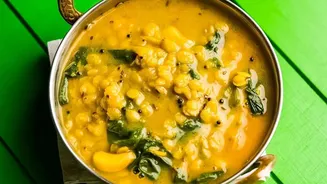
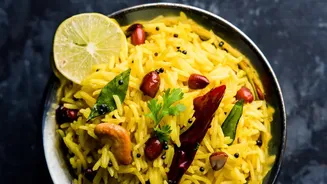
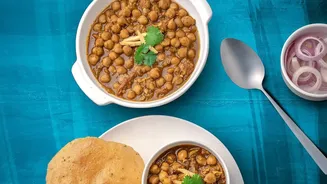
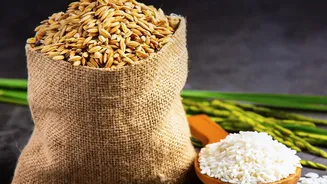
Heavy meals can tax a sluggish digestive system. This is why lighter grains and pulses are preferred during the monsoon. Moong dal is highly recommended as it's one of the easiest lentils to digest, making it a perfect base for soups and the classic comfort dish, khichdi. A simple khichdi, cooked with rice, moong dal, and a few digestive spices, is considered an ideal monsoon meal. Other good options include millets and barley, which are nutritious yet gentle on the gut. Including these provides sustained energy without the heaviness associated with other grains.
Prioritise Gut Health
A healthy gut is the foundation of a strong immune system, as nearly 70% of immunity is linked to it. Including probiotics in your diet is crucial. Homemade yogurt (dahi) and buttermilk (chaas) are excellent sources of good bacteria that help maintain digestive balance. However, some Ayurvedic traditions suggest limiting curd, especially at night, as it can be heavy to digest. Opt for fresh buttermilk during the day, often seasoned with roasted cumin and black salt, to aid digestion and stay hydrated.