


The Hygiene Imperative
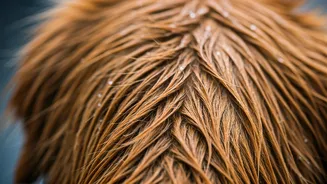
The constant dampness of monsoon is a breeding ground for bacteria and fungi. Your pet's coat, if left wet, can become a hotspot for skin infections like pyoderma or fungal flare-ups. Daily brushing is non-negotiable; it helps detangle fur, removes loose
hair, and allows you to spot any redness, rashes, or ticks hiding beneath. While frequent bathing is not recommended as it can strip natural oils, if a bath is necessary, use a veterinarian-recommended medicated or anti-fungal shampoo. Pay close attention to ears, as trapped moisture can lead to painful infections. A weekly ear cleaning with a gentle, vet-approved solution can prevent a world of trouble.
Mastering the Art of Drying
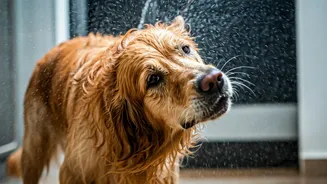
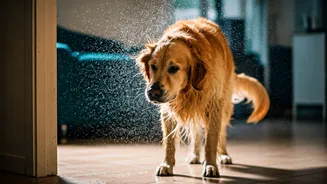
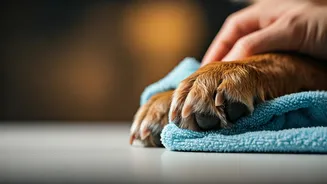
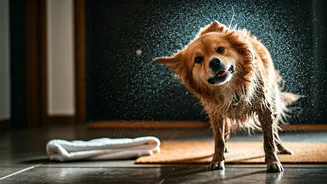
A damp coat is a pet's worst enemy during the monsoon. It doesn’t just feel uncomfortable; it creates the perfect warm, moist environment for skin problems to thrive. The post-walk drying routine is crucial. Start with a highly absorbent microfibre towel and vigorously rub down your pet, focusing on the belly, armpits, groin, and the area between their toes. For long-haired breeds, a towel might not be enough. If your pet tolerates it, use a hairdryer on a low-heat, low-speed setting. Keep the dryer moving constantly to avoid concentrating heat on one spot. A properly dried pet is a happy pet, and this simple step is your best defence against pesky fungal infections.
Paw Care is Paramount
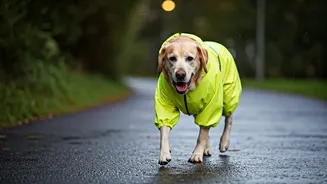
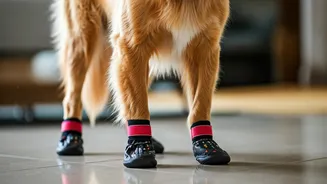
Your dog's paws are their first line of contact with the muddy, puddle-filled streets. They walk through dirty water that can be contaminated with everything from bacteria to sharp objects. Make it a rule to clean and dry their paws after every single walk. Use a bowl of lukewarm water and a soft cloth to gently wipe away all the grime. An antiseptic solution, like diluted povidone-iodine (after consulting your vet on the correct ratio), can be used for a final rinse. After cleaning, dry the paws thoroughly, especially between the pads. This prevents pododermatitis, a common and painful paw infection. Inspect their pads regularly for any cuts, cracks, or signs of irritation.
Patience for Anxiety and Boredom
The monsoon isn't just a physical challenge; it's a mental one. The loud clap of thunder and flashes of lightning can be terrifying for many pets, leading to severe anxiety. Create a safe, cosy den for them in a quiet corner of the house where they can retreat. Playing calming music or white noise can help drown out the storm. Furthermore, shorter or cancelled walks mean more pent-up energy. A bored pet is often a destructive pet. Engage them with indoor activities: play a game of fetch in the hallway, use puzzle toys and snuffle mats to stimulate their minds, or practice some basic obedience training. This mental exercise is just as important as physical walks. Your patience and understanding during their moments of fear or restlessness will strengthen your bond.
Diet, Hydration, and Immunity
A strong immune system is the best defence against seasonal illnesses. Ensure your pet is eating a balanced, high-quality diet. You might want to include fibre-rich vegetables like pumpkin to aid digestion, which can sometimes go haywire during this season. While everything outside is wet, it's easy to overlook hydration. Always provide fresh, clean drinking water. Avoid letting your pets drink from puddles, as this is a common way they contract water-borne diseases like leptospirosis and giardiasis. A healthy diet and proper hydration work from the inside out to keep your pet resilient and ready to fight off any monsoon-related bugs.