

Step 1: Choose the Darkest Dates
The single most important factor for a successful stargazing night is the Moon. A bright full moon acts like a giant source of light pollution, washing out fainter stars and the majestic Milky Way. For September 2026, the New Moon falls on September 11th.
This date, and the few nights immediately before and after it (roughly September 8th to 14th), will offer the darkest possible skies, making it the ideal window for your celestial adventure. The period around the month's end, however, features a Full Moon on September 26th, which is best avoided for deep-sky viewing.
Step 2: Escape to a Dark-Sky Location
To truly appreciate the night sky, you need to get away from city lights. India is blessed with several incredible locations that offer pristine, dark skies. For those seeking world-class conditions, the Hanle Dark Sky Reserve in Ladakh is India's first official sanctuary for stargazing, situated at a breathtaking altitude of 4,500 metres. Another high-altitude desert, Spiti Valley in Himachal Pradesh, offers similarly spectacular, crisp views. If a Himalayan trip isn't feasible, consider the white expanse of the Rann of Kutch in Gujarat or the deserts around Jaisalmer in Rajasthan. In the south, the coffee estates of Coorg in Karnataka provide surprisingly dark skies, offering a fantastic view of the southern constellations. Other notable spots include Neil Island in the Andamans, and accessible hill stations like Almora and Kausani in Uttarakhand.
Step 3: Know What to Look For
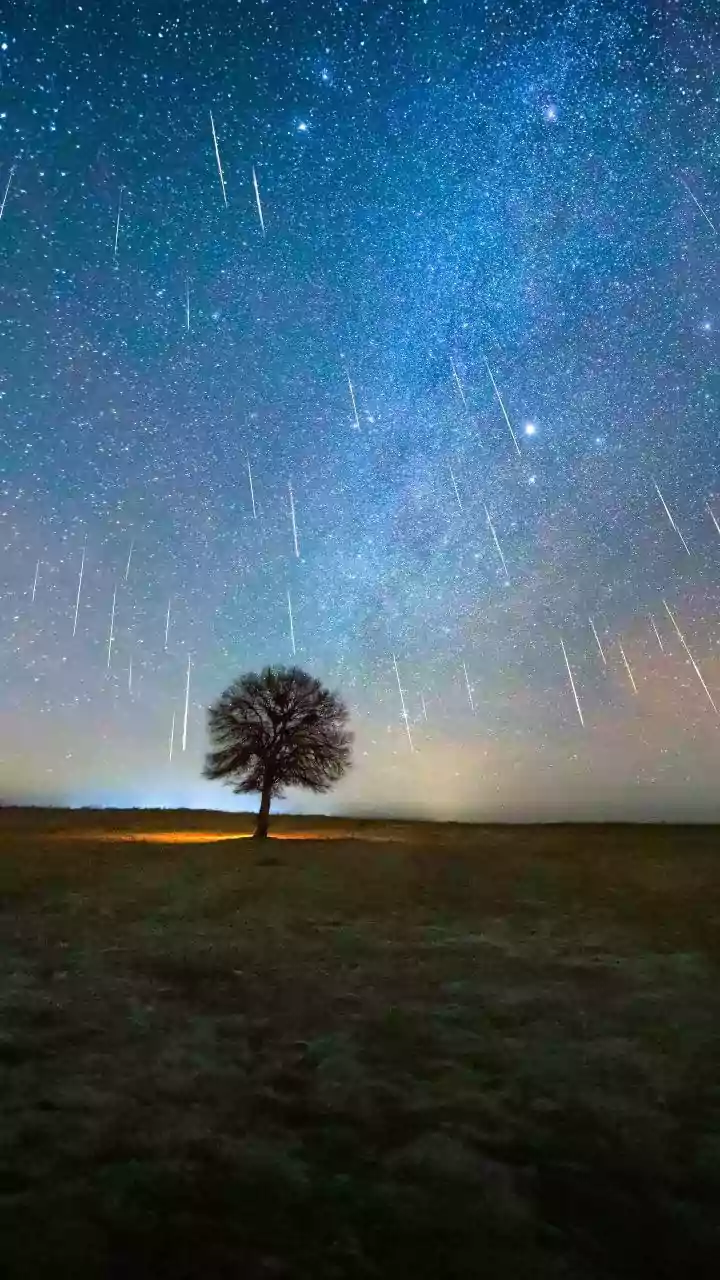
September's sky is a theater of celestial wonders. The Autumnal Equinox occurs on September 23rd, an astronomical marker for the start of autumn when nights begin to grow longer than days. While the brilliant core of the Milky Way, located in Sagittarius, is beginning to set, it is still visible in the early part of the night post-monsoon. High overhead, you can spot the Summer Triangle, an asterism formed by three bright stars: Vega, Deneb, and Altair. Also prominent is the Great Square of Pegasus, your guide to finding the Andromeda Galaxy, the most distant object visible to the naked eye. On the planetary front, Venus will be a dazzling 'evening star', reaching its peak brightness for the year on September 22nd. Look for a beautiful crescent Moon meeting Venus on September 14th.
Step 4: Pack the Right Gear
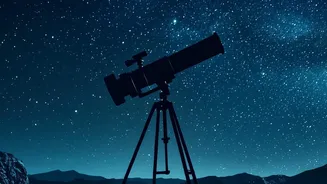
You don't need a professional telescope to have an amazing night. A simple pair of binoculars can dramatically enhance your view, revealing the moons of Jupiter, the craters on our Moon, and the faint fuzz of distant star clusters and nebulae. A star chart or a stargazing app on your phone is essential for identifying constellations and planets. Popular apps like Stellarium, SkyView, or Star Walk can turn your phone into a portable planetarium. Remember to switch your phone to its red-light mode; white light from screens can ruin your night vision. Pack warm layers of clothing, as even in non-winter months, nights in open areas can get surprisingly chilly. Finally, bring a comfortable mat or chair, along with some warm drinks and snacks, to make your viewing experience comfortable and enjoyable.
Step 5: Be Patient and Let Your Eyes Adjust
Your eyes need time to adapt to the darkness to see the maximum number of stars. This process, called dark adaptation, can take up to 30 minutes. When you first arrive at your dark site, avoid looking at any bright lights, including your phone screen or car headlights. As your pupils dilate and your eyes become more sensitive, you'll be astonished at how the sky gradually fills with thousands of stars that were previously invisible. This period of quiet waiting is part of the experience, allowing you to settle in and connect with the vastness above. The reward for your patience is a breathtaking view of the cosmos in all its glory, from the faint glow of the Andromeda Galaxy to the countless stars that form the Milky Way.