




The Old Orbit: A Government-Led Legacy
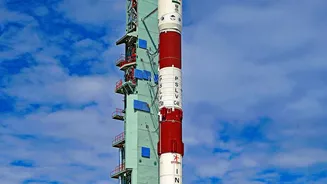
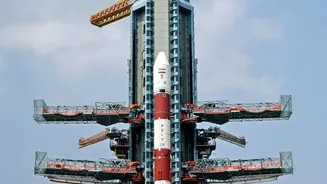
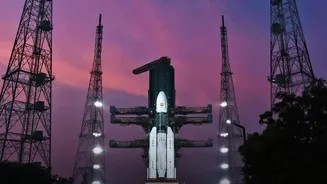
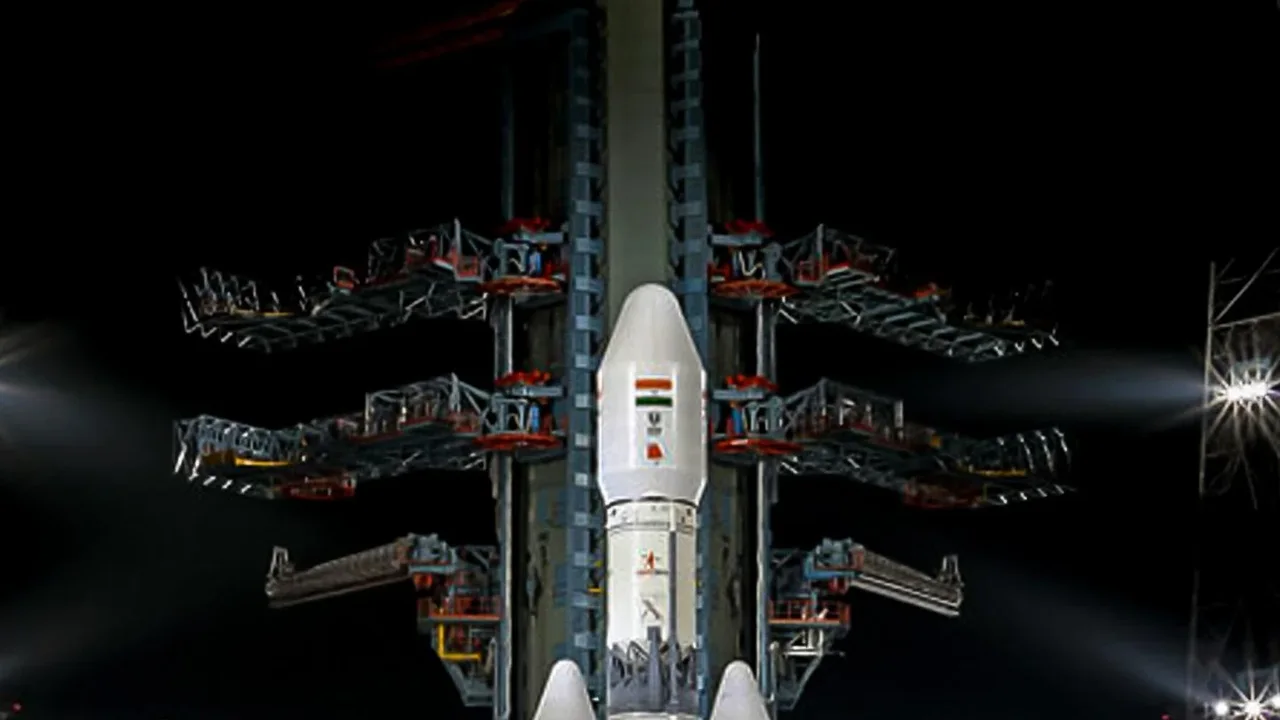
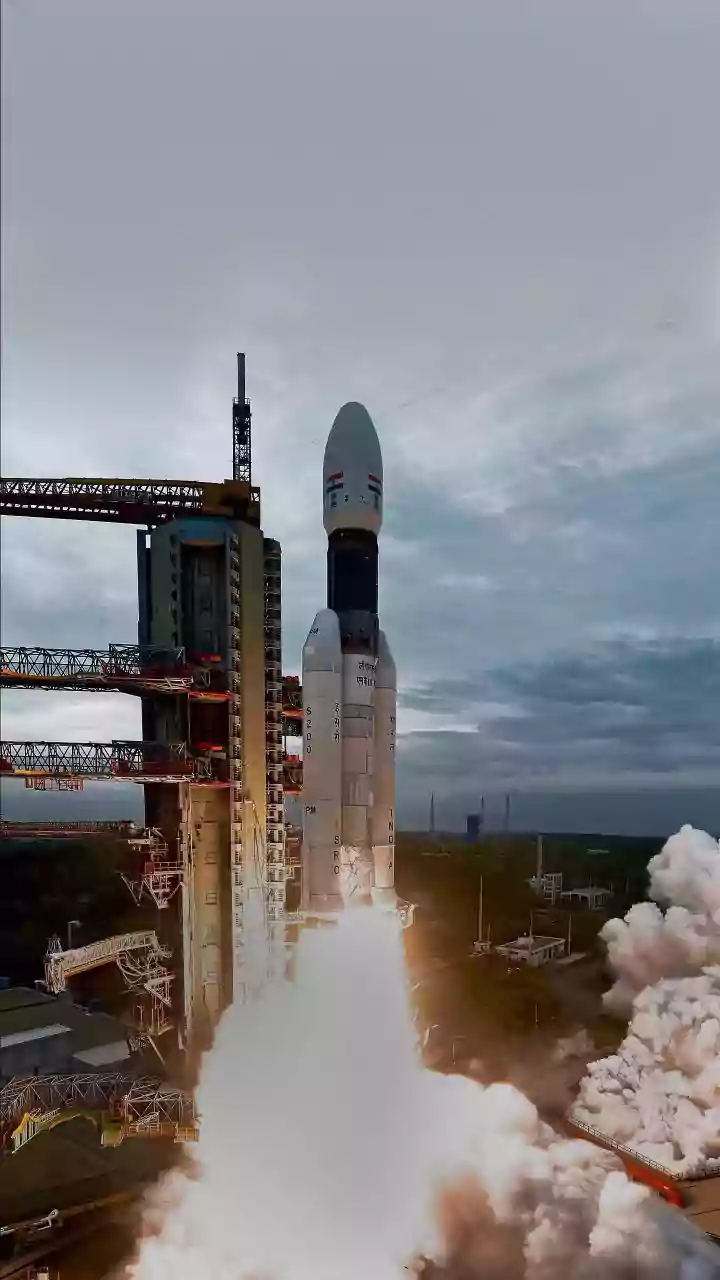
For over fifty years, the Indian Space Research Organisation (ISRO) was the beginning and end of India's space story. It built a world-class program on a relatively modest budget, achieving remarkable feats like the Mars Orbiter Mission and the recent
Chandrayaan lunar landings. A job at ISRO was—and remains—a matter of immense prestige, representing the pinnacle of scientific and engineering talent in the nation. The focus was clear: using space technology for national development, from communication and weather forecasting to resource management. This government-centric model established India as a major spacefaring nation, but the ecosystem of jobs remained concentrated within the walls of this single, formidable institution.
A 'NewSpace' Era Dawns
The game changed dramatically around 2020. The Indian government initiated landmark reforms, opening the doors for private companies to participate in every part of the space value chain. This policy shift led to the creation of the Indian National Space Promotion and Authorisation Centre (IN-SPACe), a single-window agency to facilitate and regulate private space activities. The result has been explosive growth. From just a handful in 2020, India is now home to over 450 space startups as of mid-2026. These companies are building everything from launch vehicles to satellite constellations and are backed by significant private investment, which surged to over $600 million by March 2026. India's space economy, currently valued at around $8.4 billion, is projected to hit $44 billion by 2033, with private players expected to drive most of that growth.
Beyond Rocket Science: The New Job Profiles
The most exciting part of this transformation is the diversification of jobs. While aerospace engineers are still in high demand, the new space economy needs a much wider range of talent. Satellite data analysts are one of the fastest-growing roles; companies like Pixxel and SatSure hire experts to interpret satellite imagery for sectors like agriculture, insurance, and climate monitoring. There is also a surge in demand for software engineers, particularly those with skills in AI, machine learning, robotics, and embedded systems to build the brains behind modern spacecraft and analyse the vast amounts of data they generate. Furthermore, as space becomes a business, non-technical roles are emerging. Business development managers, space policy analysts, legal experts specializing in space law, and marketing professionals are now integral parts of these new companies.
The Launchpad for Talent: Who Is Hiring?
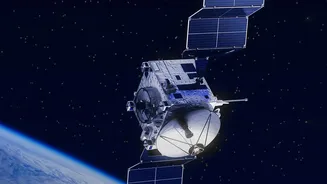
The hiring landscape is no longer limited to ISRO's recruitment announcements. A vibrant ecosystem of startups is actively seeking talent. Hyderabad-based Skyroot Aerospace, which became the first Indian private company to launch a rocket, is a major recruiter. So is Chennai-based Agnikul Cosmos, known for its 3D-printed rocket engines. In Bengaluru, the hub of India's tech industry, companies like Pixxel are building constellations of hyperspectral imaging satellites, while Digantara is focused on space traffic management. Other key players include Dhruva Space (satellite platforms), Bellatrix Aerospace (spacecraft propulsion), and SatSure (data analytics). These firms are not just looking for PhDs from top institutes; they are hiring from a broad range of engineering colleges and value practical skills and a passion for the industry.
Skills in High Demand
To be part of this booming sector, aspiring professionals need a blend of foundational and new-age skills. Core competencies in aerospace, mechanical, and electronics engineering remain crucial. However, startups increasingly need engineers who can work across disciplines, combining hardware validation with computational simulation and data analysis. Expertise in software development (especially Python), AI and machine learning, data science, and Geographic Information Systems (GIS) are highly sought after for downstream application roles. For those in non-technical fields, a deep understanding of the space industry, combined with expertise in finance, marketing, or public policy, can open doors. Internships are a key entry point, with many startups converting successful interns into full-time employees.