






Why Your Diet Needs a Monsoon Makeover
During the rainy season, the environment is damp and the risk of water-borne and air-borne infections is at its peak. According to both traditional Ayurvedic wisdom and modern nutrition, our digestive system (or 'agni' in Ayurveda) becomes sluggish. This
makes us more susceptible to indigestion, bloating, and other stomach ailments. A strategic diet that is light, warm, and immunity-boosting can counteract these effects, helping you navigate the season without falling ill. The goal is to eat foods that are easy to digest, while avoiding those that can aggravate the system or carry a higher risk of contamination.
Foods to Embrace This Season
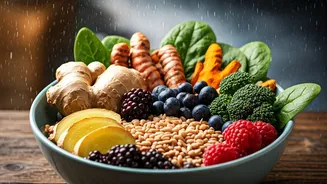
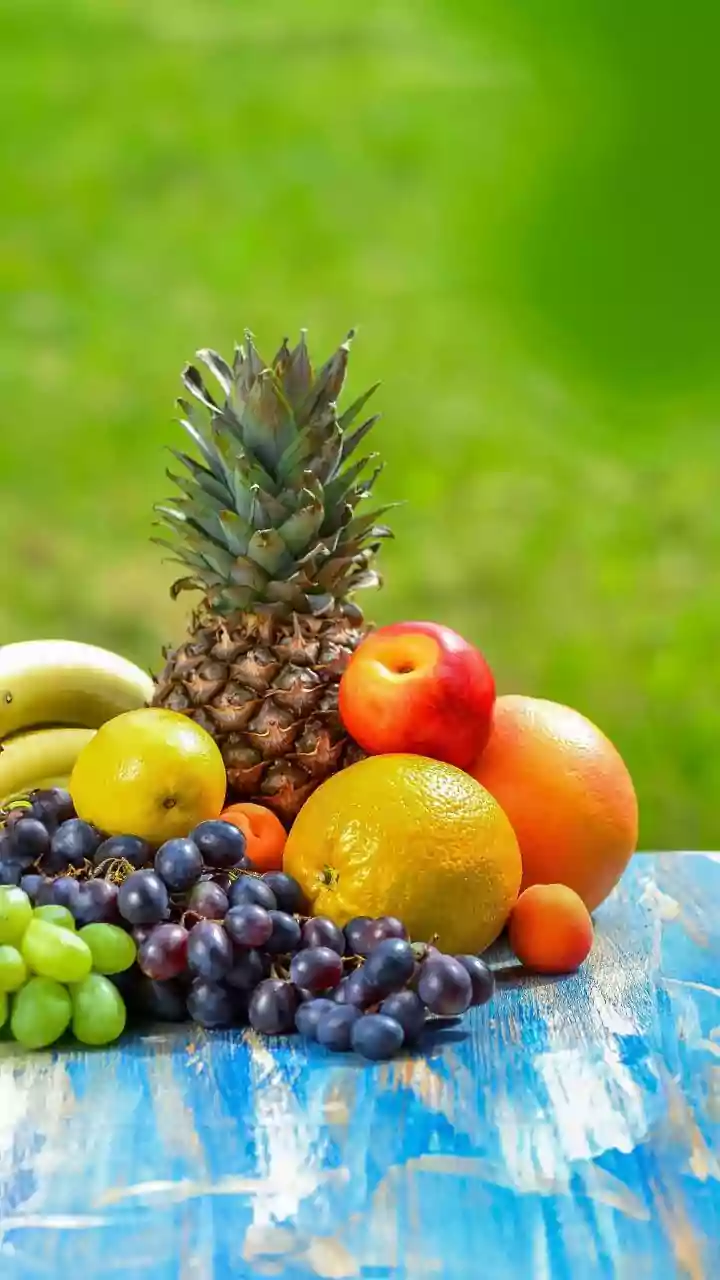
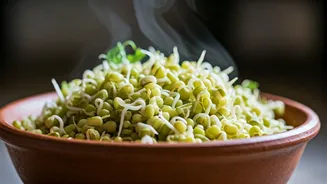
Focus on foods that are warm, cooked, and fortifying. Think of your plate as a shield against monsoon-related health troubles. * **Seasonal Fruits:** Opt for fruits like pomegranates, apples, pears, and jamun. They are rich in antioxidants and vitamins that help bolster your immune system. Avoid fruits with very high water content like watermelon for now. * **Warm, Cooked Vegetables:** Soups are your best friend! Include vegetables like lauki (bottle gourd), tinda (apple gourd), and parwal (pointed gourd) in your diet. Steaming or boiling vegetables is better than frying them. Spices like turmeric (haldi), ginger (adrak), and black pepper (kali mirch) not only add flavour but also have powerful anti-inflammatory and antibacterial properties. * **Light Grains and Pulses:** Choose easily digestible grains like barley (jau), old rice, and oats. Moong dal is particularly recommended as it is light on the stomach and provides ample protein. A warm bowl of khichdi is the perfect monsoon comfort food. * **Probiotic Power:** Include yoghurt or dahi in your diet, but preferably during the day. The healthy bacteria promote good gut health, which is crucial for a strong immune system. A glass of buttermilk (chaas) with a pinch of roasted cumin powder aids digestion wonderfully.
Foods to Approach with Caution
Some foods, while healthy at other times of the year, are best limited or avoided during the monsoon to prevent infections and digestive distress. * **Leafy Green Vegetables:** While nutritious, greens like spinach and cabbage can be laden with dirt, mud, and germs during the monsoon. If you must have them, wash them meticulously in clean water (perhaps with a bit of salt or vinegar) and cook them thoroughly before eating. Avoid eating them raw in salads. * **Street Food and Fried Snacks:** That tempting plate of pakoras or chaat might be calling your name, but it's a major risk. Street food is often prepared in unhygienic conditions and the water used may be contaminated, leading to stomach infections. Deep-fried food is heavy and difficult to digest, further burdening a weak digestive system. * **Seafood:** The monsoon is the breeding season for fish and other seafood. This increases the risk of contamination. It's advisable to limit or avoid fish, prawns, and other seafood during this time to prevent water-borne diseases.
Smart Hydration and Herbal Teas
While you may not feel as thirsty due to the humidity, staying hydrated is essential. However, be cautious about your water source. Always drink boiled, filtered, or purified water to avoid infections. A fantastic way to stay warm and hydrated is by sipping on herbal teas. A simple concoction of ginger, tulsi, and a dash of honey can do wonders for your throat and immunity. These teas not only provide warmth but also help fight off common colds and coughs that are rampant during this season.