




A Nationwide Return to Roots
Across India, a powerful shift is underway, moving away from globally homogenised menus and back towards the incredible diversity of the country’s own culinary heritage. This isn't just about nostalgia; it’s a conscious movement being embraced by chefs,
home cooks, and consumers alike. The focus is turning inward, celebrating everything from foraged wild greens and ancient grains to neighbourhood-specific dishes that rarely travel beyond their own postcodes. Experts call it a hyperlocal or micro-cuisine wave, where the story of a place—its climate, community, and history—is told through its food. After a period where fine dining often meant international ingredients or standardised North Indian fare, the definition of premium is being rewritten. Now, luxury can be a tasting menu built entirely around produce from a single farm or a dish celebrating a forgotten recipe from a remote tribal community.
Quenching a Hyperlocal Thirst
The revival extends to what we're drinking. For generations, India has had a vast library of regional beverages, each suited to its local climate—think cooling Panakam in the south or warming Kashmiri Kahwa in the north. While many of these were overshadowed by mass-produced soft drinks and spirits, they are finding new life. Bartenders are now creating cocktails inspired by traditional non-alcoholic sherbets like Aam Panna and Nannari, using them as the flavour base rather than simply offering a non-alcoholic option. At the same time, a “sober-curious” movement, particularly among younger urban consumers, is driving demand for sophisticated non-alcoholic drinks. This has created a boom in everything from zero-proof gins and beers to artisanal kombuchas and probiotic drinks that offer functional health benefits beyond simple refreshment.
The Farmer and the Chef
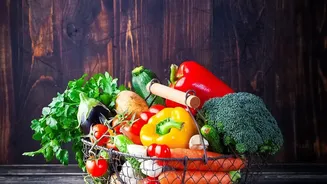
At the heart of this movement is a strengthening bond between the farmer and the chef. The farm-to-table concept, which prioritises sourcing ingredients directly from local producers, is gaining serious momentum. This philosophy ensures unparalleled freshness and allows chefs to build their menus around what is truly seasonal and at its peak. Restaurants like Masque in Mumbai and Kiyan in New Delhi have become standard-bearers, with menus built around foraged ingredients or produce grown on their own dedicated farms. This collaboration is a two-way street. Chefs are giving farmers a new market for indigenous produce that was previously ignored by commercial supply chains, while farmers are reintroducing chefs to forgotten varieties of vegetables and grains. This relationship cuts out middlemen, ensures fair compensation for farmers, and provides consumers with transparency about where their food comes from.
The Grains of Truth
Perhaps no ingredient better represents this local shift than millets. Grains like jowar, bajra, and ragi, which were staples for generations, were largely sidelined by the agricultural push for wheat and rice. Now, they are making a major comeback. Spurred by a greater focus on health and sustainability, and supported by government initiatives, millets are being hailed for their nutritional benefits and their resilience to climate change. These ancient grains are no longer confined to traditional porridges and flatbreads. Today, they are found in everything from breakfast cereals and dosa mixes to crackers and fine-dining creations. The resurgence of millets is more than a dietary trend; it's a revival of agricultural wisdom that supports small farmers and promotes biodiversity.
More Than Just a Passing Trend
The movement toward local food is driven by a confluence of powerful factors. The post-pandemic era brought a heightened awareness of health and immunity, prompting many to seek out the nourishing foods their grandparents championed. There is also a growing desire for authenticity and a deeper connection to cultural identity. Consumers are increasingly interested in sustainability, favouring foods with a smaller carbon footprint that support local economies. Chefs and food writers have become cultural archivists, working to preserve dying recipes and oral culinary traditions. This isn't just a niche interest for a handful of foodies; it's a widespread shift in consciousness. From packaged makhana replacing potato chips to a surge in restaurants celebrating micro-regional cooking, the evidence suggests this is a lasting change in how India thinks about, and enjoys, its food.