







More Than Just an Eyesore
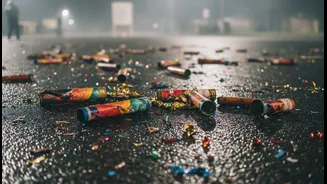
The remnants of our festive fireworks displays are not merely an inconvenience; they constitute a significant environmental and public health challenge. When firecrackers burst, they release a cocktail of harmful substances, including particulate matter
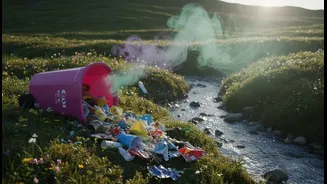
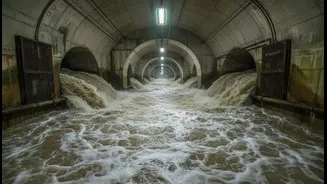
(PM2.5 and PM10), heavy metals like copper and barium, and toxic gases. This isn't just about the immediate haze that chokes our cities and causes a spike in respiratory ailments like asthma and bronchitis. The solid waste left behind is often laden with unburnt chemicals and hazardous materials. When it rains, these toxins can be washed into our water systems, contaminating soil and groundwater with substances like perchlorate, which has been found in soil and water samples after fireworks displays in India. This toxic legacy lingers long after the celebrations have ended, posing a quiet but persistent threat to urban ecosystems and public health.
The Limits of the Current Approach
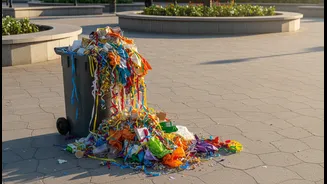
Currently, the responsibility for post-festival cleanup is a fragmented and often inadequate patchwork. Much of the burden falls on municipal sanitation workers, who are often underequipped and overworked. They manually sweep up tonnes of hazardous debris, often without proper protective gear, exposing them to dangerous chemical residues. In many areas, cleanup relies on the goodwill of resident welfare associations or NGOs, leading to inconsistent results. Some municipalities report that the waste generated during a festival period can equal seven days' worth of normal garbage. This ad-hoc system is reactive, not proactive. It addresses the visible mess but does little to manage the hazardous nature of the waste or mitigate the overall environmental impact. As cities grapple with ever-growing mountains of municipal solid waste, simply adding festival debris to landfills is an unsustainable solution.
A Blueprint for Proactive City Management
A truly effective strategy requires cities to take the lead with a comprehensive, proactive plan. This begins with acknowledging that firecracker waste is hazardous and cannot be treated like ordinary municipal garbage. One crucial step is the establishment of designated community bursting grounds. These managed sites would make cleanup far more efficient and contained, preventing the widespread dispersal of debris across residential streets. Furthermore, municipalities can implement policies based on the principle of Extended Producer Responsibility (EPR), holding manufacturers accountable for the entire life cycle of their products, including disposal. This could incentivise the production of 'green crackers' that use fewer pollutants and generate less waste. Cities like Chennai have already started segregating and sending hazardous cracker waste to specialised disposal facilities, a model that could be replicated nationwide.
Fostering Shared Responsibility
Ultimately, cleaner post-festival cities require a partnership between administration and citizens. Broader city action must include robust public awareness campaigns. These campaigns should go beyond simple 'don't litter' messages and educate residents on why cracker waste is different and how to segregate it properly if bursting fireworks at home. Municipalities could organise special collection drives specifically for hazardous festival waste, preventing it from mixing with household wet and dry waste. This requires clear communication well in advance of festivals, not as a last-minute directive. By framing waste management as a shared civic duty led by a clear municipal framework, we can shift the culture from one of reactive cleaning to proactive environmental stewardship. The goal is not to diminish the joy of festivals, but to ensure they don't come at the expense of our collective health and environment.