


The Rise of Warm Minimalism
For years, minimalism was associated with bare white walls, sharp lines, and a near-empty aesthetic that could feel more like a gallery than a home. But the philosophy is evolving. The new minimalism, often dubbed 'warm minimalism' or 'soft minimalism,'
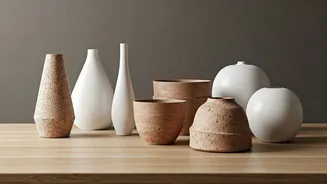
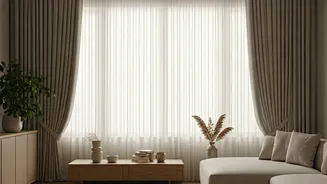
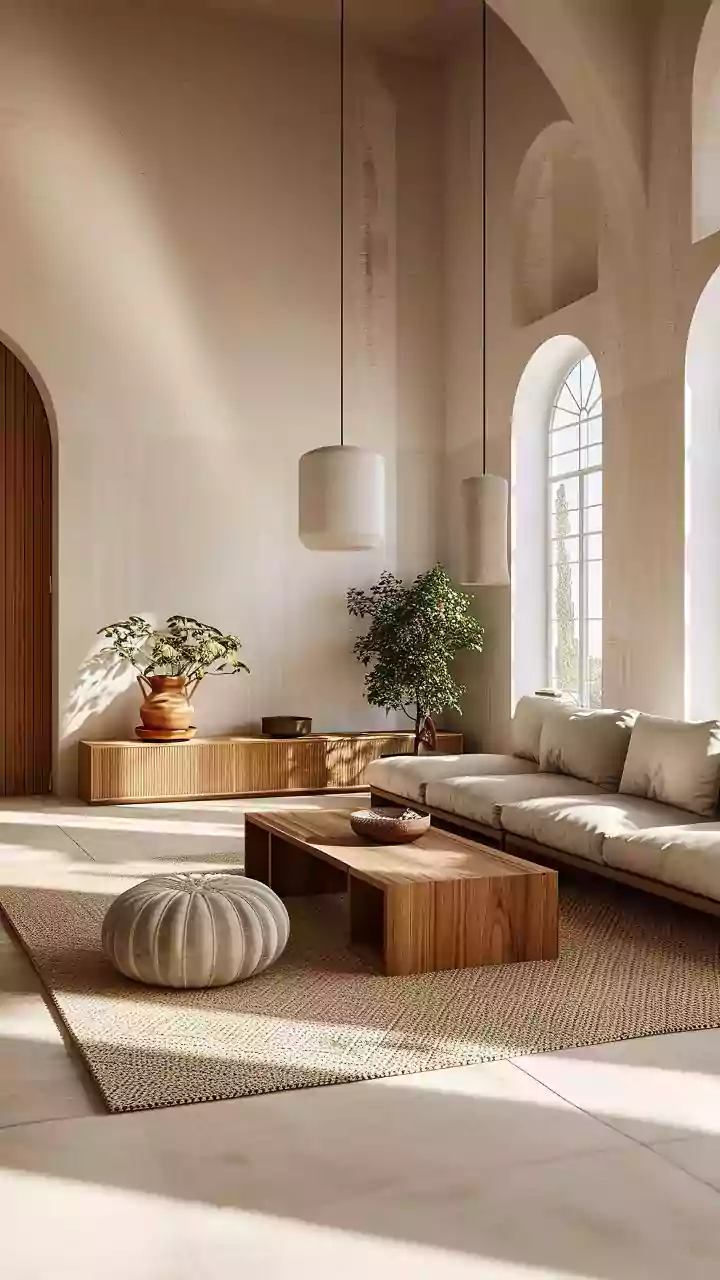
isn't about deprivation; it's about intentionality. It prioritises creating spaces that support our well-being. Instead of cold and impersonal, the goal is a room that feels like a calming embrace—a quiet retreat from the chaos of the outside world. This shift is less about having less and more about ensuring that what you have is meaningful, beautiful, and comforting. Colour, texture, and natural materials are no longer forbidden but are instead celebrated as essential tools for building a serene atmosphere.
Why Terracotta Is the Perfect Hue
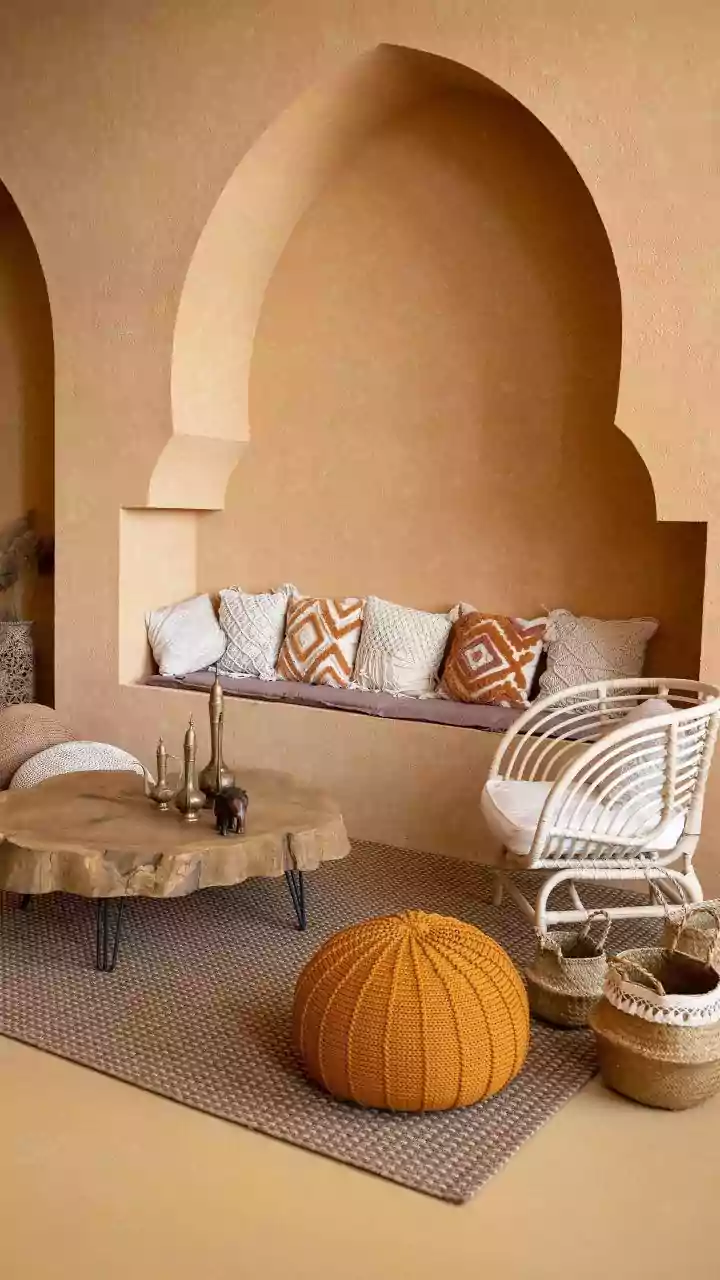
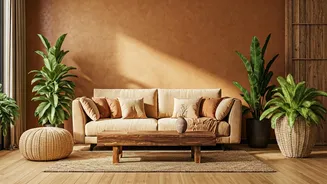
At the heart of this trend is terracotta. This earthy, reddish-brown hue is a design chameleon. It’s warm without being overwhelming, and sophisticated without being sterile. Drawing its name from the Italian for “baked earth,” terracotta has an innate, grounding quality that connects us to nature. In the Indian context, it resonates deeply, evoking everything from humble clay *diyas* and water pots to the intricate brickwork of ancient temples. This colour brings an instant sense of warmth and history to a minimalist bedroom. It pairs beautifully with the neutrals that form the foundation of minimalism—creams, beiges, and soft greys—but adds a layer of richness and personality that plain white walls can't achieve. It’s a colour that feels both ancient and incredibly modern.
The Crucial Role of Texture
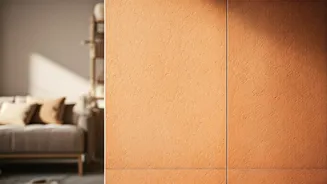
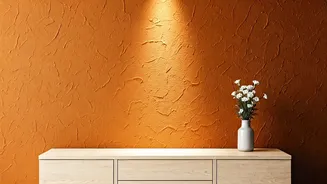
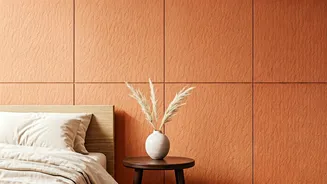
A room decorated only with flat, solid colours can feel one-dimensional. In a minimalist space, where furniture and decor are sparse, texture becomes a critical element for adding visual interest and depth. Textured terracotta panels prevent the colour from looking flat, creating a dynamic play of light and shadow that changes throughout the day. The texture can range from a subtle, plaster-like finish to more pronounced three-dimensional geometric or fluted patterns. This tactile quality invites touch and makes the space feel more layered and complex. It transforms a simple wall into a piece of art, providing all the decorative impact you need without adding clutter. When paired with other natural textures like linen bedding, a jute rug, or a raw silk cushion, the effect is a rich, sensory experience that is the hallmark of sophisticated design.
Removable Panels: Genius for Modern Living
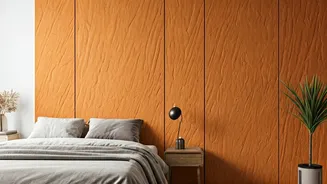
Perhaps the most innovative part of this trend is the use of removable panels. This is a game-changer, especially for renters or homeowners who hesitate to commit to bold design choices. A feature wall behind the headboard is a classic design move, and removable panels make it accessible to everyone. These panels come in various forms, from easy-to-apply peel-and-stick tiles to lightweight 3D panels that can be mounted with temporary adhesives. This means you can achieve a high-impact, architectural look without needing a contractor or damaging your walls. The flexibility is unparalleled. If you move, or if your tastes change in a few years, you can simply remove the panels, leaving the wall pristine. This low-commitment, high-impact approach is perfectly suited to modern, flexible lifestyles.
How to Achieve the Look
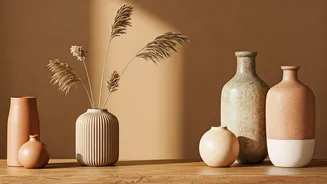
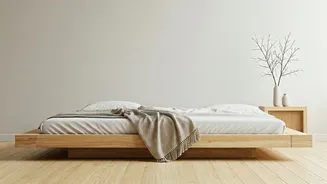
Bringing this trend into your bedroom is simpler than it seems. Start by identifying the feature wall, which is typically the one behind your bed. Measure the area to determine how many panels you'll need. When choosing your panels, consider the scale of your room—larger rooms can handle more dramatic textures, while smaller rooms might benefit from a subtler finish. Balance the warmth of the terracotta with plenty of neutral tones in the rest of the room. Think creamy white paint, light wood furniture, and soft, natural textiles. Keep bedding simple and luxurious—layers of linen and cotton in shades of white, beige, or oatmeal will complement the terracotta beautifully. Finally, add minimal but thoughtful decor: a simple ceramic vase, a couple of books, and warm, diffused lighting to complete your serene, minimalist sanctuary.