



The Permian’s Methane Problem
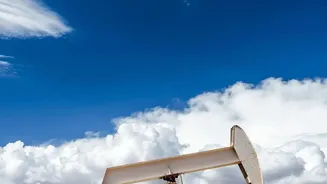
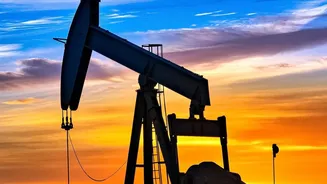
Spanning West Texas and southeastern New Mexico, the Permian Basin is the most prolific oil-producing region in the United States. But alongside this energy boom comes a significant environmental cost: methane emissions. Methane is a potent greenhouse
gas with over 80 times the warming power of carbon dioxide in the short term, making it a critical target for climate action. For a long time, the primary method for tracking these emissions was through ground-based estimates and industry self-reporting. However, studies using early satellite data revealed a massive discrepancy, suggesting the actual leak rate was more than double what was being reported, a loss equivalent to the energy needed to power millions of homes.
Eyes in the Sky Change the Game
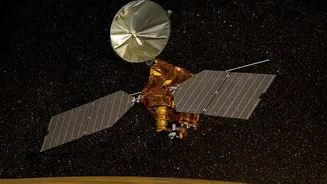
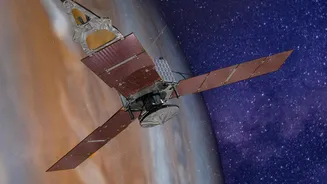
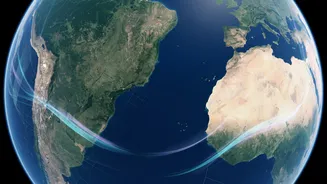
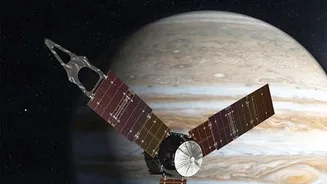
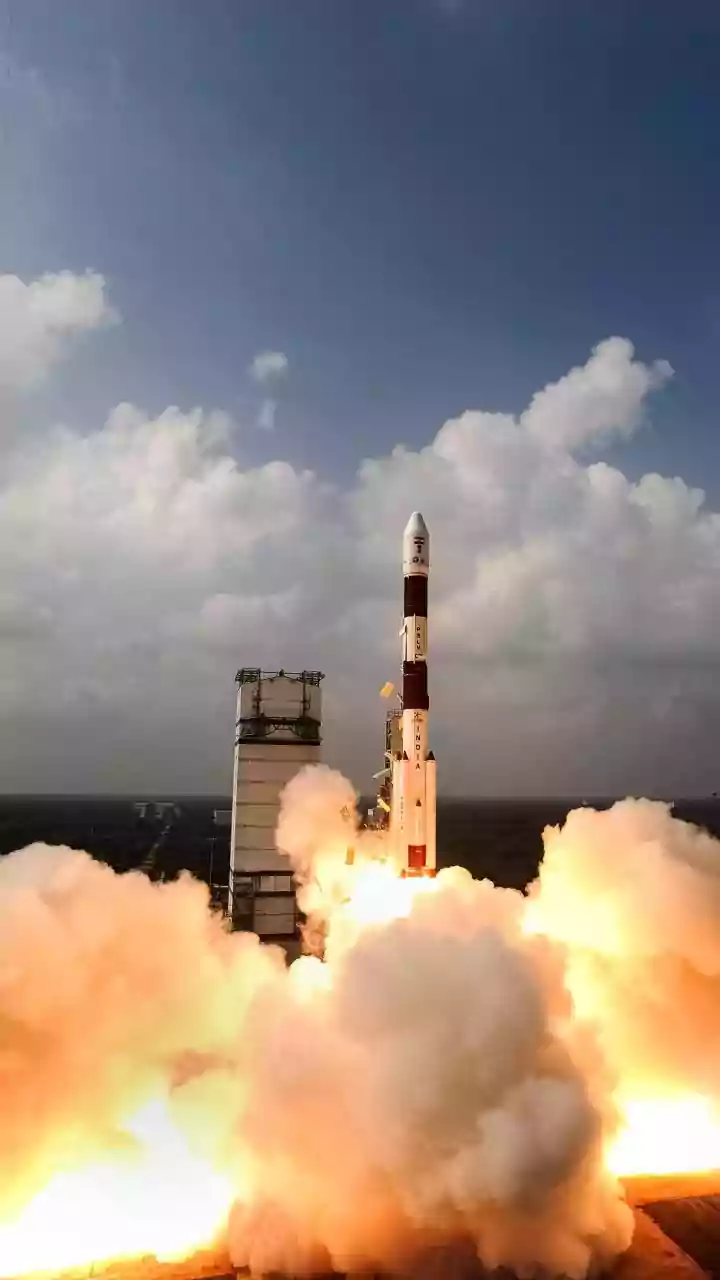
The game-changer has been the deployment of a sophisticated ecosystem of methane-detecting satellites. Projects led by groups like the Environmental Defense Fund (MethaneSAT) and the Carbon Mapper coalition use advanced spectrometers to measure methane concentrations from orbit with unprecedented precision. Some satellites, like MethaneSAT, act like a wide-angle lens, quantifying total emissions over vast areas like an entire oil basin. Others, like those in the Carbon Mapper program, are like a zoom lens, capable of pinpointing the exact source of a major leak, down to a single piece of equipment. This technology turns abstract estimates into concrete, actionable data, showing not just that leaks are happening, but exactly where and how much is being released.
From Data to Regulation
Making this data publicly available has created a new era of transparency and accountability. Armed with this evidence, environmental groups and policymakers can exert targeted pressure. One groundbreaking analysis using MethaneSAT data from 2024-2025 showed a stark difference between the two states in the Permian Basin. New Mexico, which had implemented stronger state-level methane regulations in 2021, had a methane intensity rate of 1.2%, less than half of Texas's 3.1%. This provided powerful, real-world evidence that stricter rules lead to measurable reductions in emissions. This capability has directly influenced federal policy, with the Environmental Protection Agency's (EPA) new rules under the Clean Air Act explicitly allowing for advanced detection methods, including satellite monitoring, to find and fix leaks.
A New Era of Accountability
The satellite data has had immediate political and economic consequences. In early 2026, after MethaneSAT data revealed basin-wide emissions were nearly four times higher than EPA estimates, a U.S. Senator launched a formal investigation into the practices of eight of the largest operators in the Permian. This scrutiny, combined with pressure from investors, has accelerated industry efforts to adopt better monitoring technology. The EPA's most recent regulations, finalized in late 2023 and updated since, aim to cut methane emissions from oil and gas operations by nearly 80% through 2038. These rules established performance standards for existing sources and required states to develop their own stringent plans. Although some technical aspects have been adjusted, the framework for using advanced monitoring to enforce leak detection and repair remains a core component.
The Future of Emissions Monitoring
While the headline-grabbing MethaneSAT mission was cut short after communications were lost in June 2025, its impact was profound. It proved the power of independent, transparent satellite monitoring to hold an entire industry to account. The broader ecosystem of public and private satellites continues to grow, ensuring that this new level of scrutiny is here to stay. For operators in the Permian and beyond, the message is clear: the days of relying on estimates are over. With eyes in the sky constantly watching, managing and mitigating methane emissions has shifted from a matter of compliance to an operational necessity. The technology has not only revealed the true scale of the problem but has also provided the tools to verify the solutions.