


The U.S. Constitution invites a power struggle between the President and Congress over foreign policy. Following the 2026 midterms, which saw Democrats gain control of both chambers, this built-in tension is set to define America's role in the world.
The President's Foreign Policy Toolkit
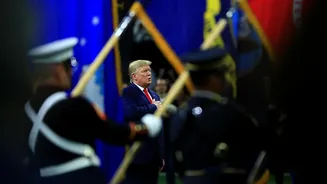
Article II of the Constitution designates the president as the nation's chief diplomat and Commander-in-Chief of the armed forces. This grants the office immense power in foreign affairs. The president can negotiate and sign treaties, though they require the Senate's approval to be ratified. He or she also appoints ambassadors and other key foreign policy officials, again with Senate confirmation. Beyond these formal powers, presidents can issue executive agreements with other nations that don't require Senate ratification and have the authority for diplomatic recognition. As Commander-in-Chief, the president can deploy U.S. troops, a power that has been broadly interpreted over time to allow for significant military action without a formal declaration of war from Congress.
Congress's Constitutional Check
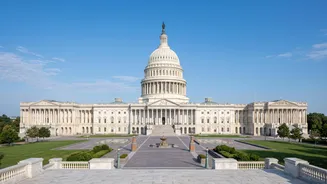
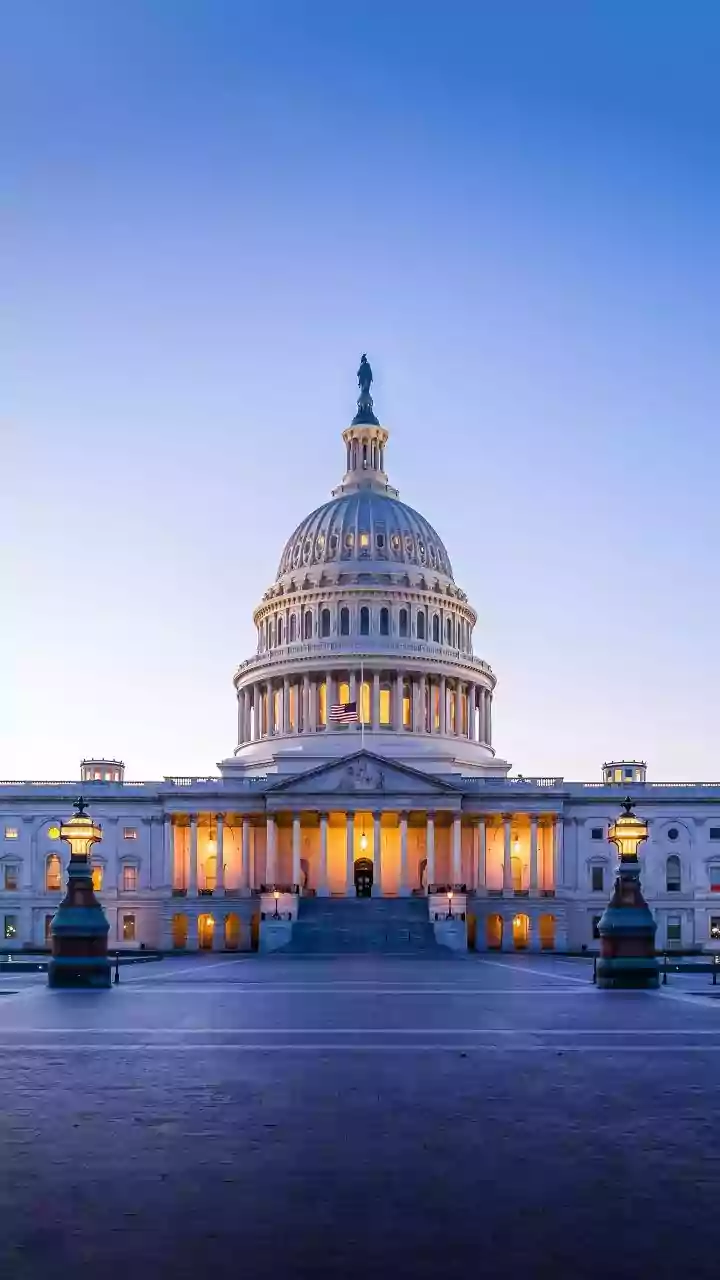
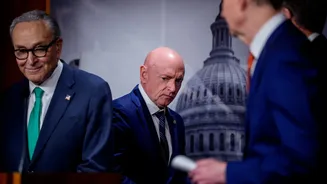
The legislative branch holds significant, and often decisive, power to shape and constrain the president's foreign policy agenda. Its most formidable tool is the 'power of the purse'. Congress alone can appropriate funds, meaning it can choose whether or not to pay for the president's military operations, foreign aid initiatives, or diplomatic programs. Furthermore, only Congress has the power to formally declare war, a crucial check on the president's military authority. The Senate's role in providing 'advice and consent' on treaties and ambassadorial appointments gives it direct influence over diplomatic strategy. Finally, Congress has robust oversight powers, allowing it to hold hearings, conduct investigations, and demand accountability from the executive branch on its foreign policy decisions and actions.
The 2026 Midterm Shake-Up
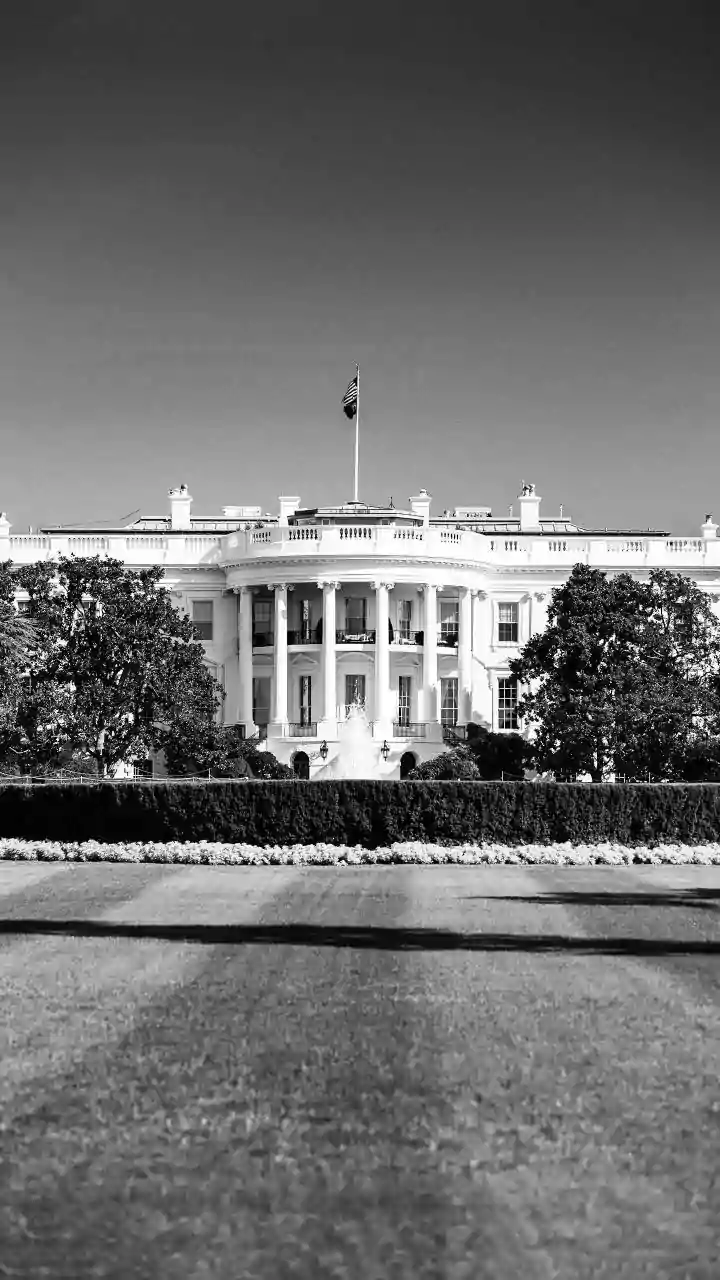
The November 2026 midterm elections resulted in a significant power shift in Washington, with the Democratic party winning control of both the House of Representatives and the Senate. This creates a divided government, placing a firm check on the second-term administration of President Donald Trump. With Democratic majorities, congressional committees responsible for foreign policy and national security oversight will have new leadership and new priorities. This sets the stage for intensified scrutiny of the administration's 'America First' approach and creates potential roadblocks for presidential initiatives that lack bipartisan support.
Trump's Playbook vs. a New Congress
President Trump's foreign policy, both in his first and second terms, has often relied on expansive executive action, from imposing tariffs and withdrawing from international agreements to threatening military action. His second term has seen an interventionist policy in the Americas and the Middle East, coupled with an isolationist stance toward Europe. With Democrats now controlling Congress, this unilateral approach will face major headwinds. The new majority is expected to push back on the administration's policies regarding Russia and aid to Ukraine, and use its funding power to restore money for diplomacy and foreign aid. We can anticipate legislative efforts to limit presidential authority on tariffs and the use of military force, potentially by inserting restrictive language into must pass bills like the National Defense Authorization Act.
Potential Flashpoints on the Horizon
Several key foreign policy areas are likely to become battlegrounds between the White House and the new Congress. Aid to Ukraine, which the Trump administration has been hesitant about, will be a priority for Democrats who may mandate intelligence sharing and new military assistance. Another flashpoint will be policy toward the Middle East. President Trump's recent decision to halt military aid to Israel, while praised by some progressive Democrats, will be a complex issue for the new Congress to navigate. Furthermore, any potential military engagement with Iran, which the administration has repeatedly threatened, will meet stiff resistance and oversight from a Congress determined to reassert its war powers authority. These tensions highlight the fundamental struggle over the direction of American foreign policy in a newly divided government.