







The Big Picture: Inflation's Gentle Squeeze
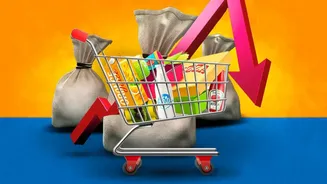
The single biggest factor shaping your household budget is inflation. As of September 2026, India's headline inflation rate stood at 5.54%, marking an eleven-month high. This figure, driven by rising food and fuel costs, is approaching the Reserve Bank
of India's upper tolerance limit of 6%. For young families, this translates to a tangible decrease in purchasing power—the same amount of money buys slightly less than it did before. The primary culprits behind this recent surge are global energy price shocks and domestic weather patterns affecting food supply. While core inflation (excluding volatile food and fuel) remains more stable, the rising cost of essentials means that day-to-day expenses and monthly budgets are feeling the pressure. Rural households have been particularly affected, with food inflation in these areas hitting 8.06%.
The Dream of Homeownership: A Shifting Market
For most young families, buying a home is the largest financial commitment they will ever make. The Indian real estate market in 2026 shows resilience, but with notable shifts. While the RBI has kept the repo rate stable, offering some relief to homebuyers, property prices have continued their upward trend, particularly in the premium segments of major cities. A survey in the first half of 2026 revealed that while rising prices are a concern for 65% of potential buyers, the aspiration for homeownership remains strong. Many families are adapting rather than abandoning their plans, with some considering properties in peripheral locations or delaying their purchase slightly. The demand for more spacious homes, especially 3BHKs, is a significant trend, indicating that families are prioritising long-term value and lifestyle needs, even if it means adjusting their budgets.
Getting Around: The Cost of a Family Vehicle
The cost of a new car is another major expense for a growing family. The Indian auto market is currently in a state of flux, influenced by new model launches, evolving fuel preferences, and manufacturing cost pressures. While sales saw a boost in early 2026, analysts expect this growth to moderate. Factors like elevated fuel prices and weakened consumer confidence could temper demand. For those planning a purchase, it's worth noting that upcoming regulatory changes, like the CAFE-3 norms, are expected to push car prices higher in 2026 and 2027. This suggests that while festive season deals might offer temporary relief, the overall trend for vehicle costs is upward. The shift towards electric vehicles continues, but they still represent a small fraction of total sales, meaning most families will be budgeting for traditional internal combustion engine vehicles, which are directly impacted by fuel price volatility.
Investing in the Future: Education Expenses
Perhaps no expense grows as relentlessly as the cost of education. For young families, planning for their children's schooling is a non-negotiable, long-term financial goal. Education inflation in India is estimated to run at a staggering 10-12% annually, nearly double the general inflation rate. This means that a school with an annual fee of ₹1,00,000 today could cost over ₹1,30,000 in just a few years. Research shows that private school fees in major cities like Mumbai, Delhi, and Bangalore are routinely hiked by 10-12% each year. These costs often don't include significant additional expenses like transport, uniforms, books, and extracurricular activities, which can add substantially to the total outlay. For a family starting to plan, this high rate of inflation underscores the importance of starting education-focused savings and investment plans as early as possible.
Daily Goods and Online Shopping Trends
Beyond big-ticket items, daily consumption patterns are also evolving. India's online retail market is booming, expected to cross $90 billion in 2026. This growth is no longer driven by electronics, but by everyday categories like groceries, beauty products, and home essentials. This reflects a fundamental shift in consumer behaviour, where convenience and accessibility for daily needs are becoming paramount. While electronics saw a rebound in early 2026, helped by GST cuts on large appliances, this growth is expected to normalise. For families, this means that while some discretionary purchases might see stable or lower prices due to online competition and tax changes, the core spending on groceries and household items will continue to be a key driver of their monthly expenses.