




From Floppy Disks to Digital Displays
For decades, air traffic controllers in the United States have relied on systems that seem ancient by today's standards. One recent initiative highlights this vividly: the replacement of systems that used floppy disks to store and transfer crucial data
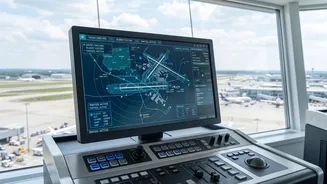
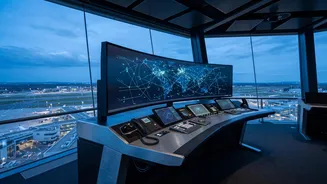
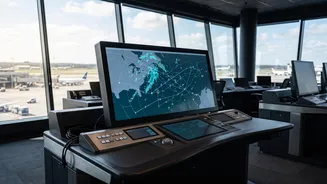
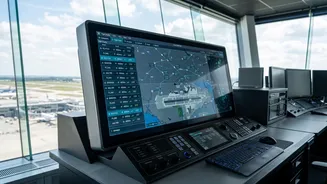
like weather reports. The Federal Aviation Administration (FAA) has begun rolling out the Enterprise Information Display System (E-IDS), a modern platform that consolidates information from four legacy systems into a single, real-time display. This means controllers get instant access to weather updates, equipment status, and flight alerts without resorting to manual processes or obsolete media. The rollout, scheduled to cover over 400 facilities by the end of 2028, is a tangible step in a much larger and more complex overhaul of the nation's aviation infrastructure.
The NextGen Overhaul
The broader effort is known as the Next Generation Air Transportation System, or NextGen. Launched in the 2000s, NextGen is one of the most ambitious infrastructure projects in U.S. history, aiming to shift air traffic control from a ground-based radar system to a more precise satellite-based one. Key components include ADS-B (Automatic Dependent Surveillance-Broadcast), which uses GPS to broadcast an aircraft's precise location, speed, and altitude every second. This is a significant leap from traditional radar, which updates far less frequently. Another core element is Data Communications (DataComm), which allows controllers and pilots to exchange complex clearances and instructions via text-based messages rather than relying solely on congested voice radio frequencies. The foundational system tying much of this together is the En Route Automation Modernization (ERAM), which processes flight data for high-altitude traffic.
What It Means for Your Flight
The tangible benefits for passengers are significant. A satellite-based system allows for more direct and efficient flight paths, saving time and fuel. With more precise tracking from ADS-B, aircraft can fly closer together safely, increasing the capacity of crowded airspace and reducing delays on the ground and in the air. The FAA projects that NextGen will reduce overall delays, leading to billions in cumulative benefits from lower fuel consumption, fewer cancellations, and reduced carbon emissions. For passengers, this translates into more reliable schedules and potentially shorter flight times. Furthermore, enhanced surveillance and data sharing improve pilot and controller situational awareness, contributing to an even safer aviation system.
A Long and Turbulent Journey
Modernising a system as complex as national airspace is fraught with challenges. The NextGen program has faced considerable delays and cost overruns since its inception. Government watchdog reports have frequently highlighted the slow pace of implementation, noting that the FAA has struggled to deliver on the program's original transformative vision. As of late 2024, the agency had reportedly achieved only a fraction of the total expected benefits. The multi-decade timeline, originally targeting 2025, now stretches to 2030 and beyond for full implementation of some components. Hurdles have included securing consistent funding, coordinating with airlines to equip their fleets with the necessary avionics, and overcoming institutional resistance to change. Recent efforts, now part of a newer initiative called the Brand New Air Traffic Control System (BNATCS), aim to accelerate some of these timelines, but the path remains complex and expensive, with costs running into the tens of billions of dollars.