







1. Satellite Engineering and Manufacturing
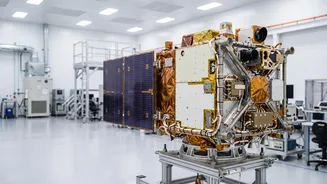
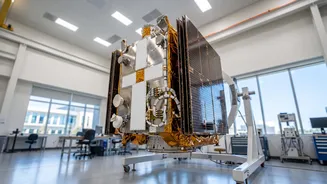
Once the exclusive domain of ISRO, satellite development is now a hotbed of private innovation. Companies like Dhruva Space and Bellatrix Aerospace are building everything from smallsats to entire constellations. This has created a massive demand for
engineers who can design, build, and test satellite systems. Roles for mechanical, electronics, and power systems engineers are plentiful. Freshers with a B.Tech in these fields, especially with hands-on project experience, are highly sought after. The focus is on creating smaller, more efficient satellites for communication, earth observation, and more, meaning skills in integrating complex hardware are key.
2. Launch Vehicle and Propulsion Systems
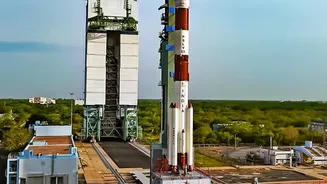
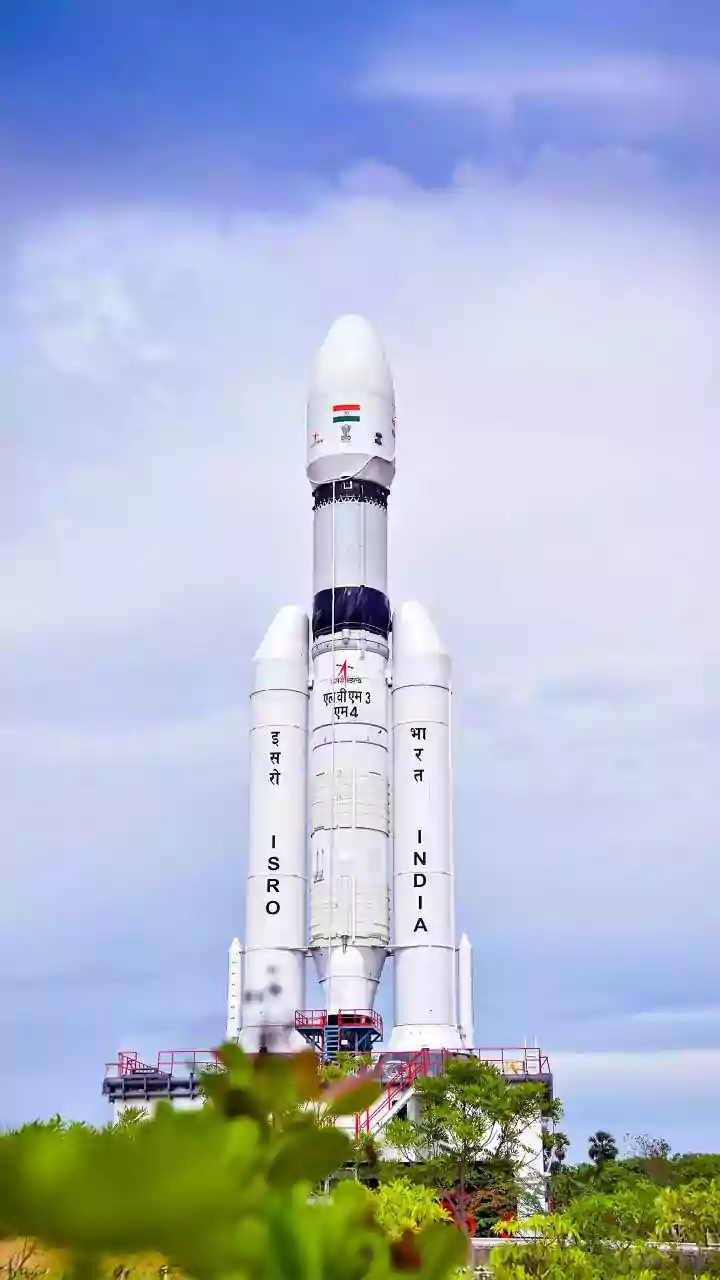
India's private rocket-makers are in a new-age space race. Startups like Skyroot Aerospace and Agnikul Cosmos are developing their own launch vehicles, creating a need for a new generation of rocket scientists and engineers outside of ISRO. There is high demand for professionals skilled in propulsion systems, structural design, avionics, and flight software. A degree in Aerospace or Mechanical Engineering provides a strong foundation. Roles range from designing rocket engines to developing the complex control systems that guide them to orbit. With private launches becoming more frequent, careers in this sub-sector offer a fast-paced and high-growth environment.
3. Satellite Data Science and Analytics
Space is fast becoming a data industry. Satellites generate enormous volumes of information about our planet, from weather patterns to crop health. This has created an explosion in demand for data scientists, remote sensing specialists, and AI/ML engineers. Companies like Pixxel and SatSure are turning this raw data into actionable insights for sectors like agriculture, insurance, and urban planning. If you have a background in computer science, strong programming skills in Python, and an interest in machine learning, this is one of the most accessible and rapidly growing entry points into the space industry.
4. Aerospace Software and AI
Modern spacecraft are sophisticated, software-driven machines. Aerospace software engineers are crucial for developing everything from the real-time operating systems on a satellite to the mission control software on the ground. This field sits at the intersection of core engineering and cutting-edge software development. Skills in embedded systems, C++, Python, and AI are highly valuable for creating autonomous navigation systems, mission-planning algorithms, and predictive maintenance models. For computer science and electronics graduates, this is a prime opportunity to apply software skills to the unique challenges of space.
5. Space Law and Policy
As the space sector commercialises, it's creating a new and fascinating non-technical career path: space law. With hundreds of private companies launching satellites and rockets, complex questions around orbital debris, spectrum allocation, and international treaties arise. The Indian Space Policy 2023 has created a framework for private participation, overseen by the regulatory body IN-SPACe. This requires legal and policy professionals who can navigate the unique regulatory landscape. A law degree combined with an interest in technology and international relations can open doors at startups, government agencies, and policy think tanks, shaping the rules for this new commercial frontier.