

Satellite Data Scientist
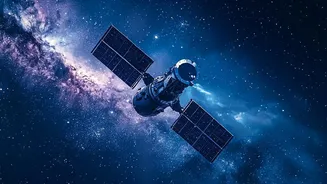
Satellites are powerful data-gathering machines, and data scientists are the ones who turn that raw information into actionable insights. This is one of the fastest-growing commercial areas of the space industry. Companies like Pixxel and SatSure use
satellite data to provide services for agriculture, climate change monitoring, insurance, and urban planning. A satellite data scientist, sometimes called a geospatial analyst, needs skills in remote sensing, Geographic Information Systems (GIS), Python, and big data technologies to analyse petabytes of information. As India’s fleet of communication and earth observation satellites grows, so does the demand for experts who can transform complex data into business intelligence.
Space Law and Policy Advisor
As the space sector becomes more crowded with private companies and government agencies, the need for legal and policy experts is growing rapidly. Not all space careers require an engineering degree, and this field is crucial for the sector's commercialisation. Space lawyers navigate the complex web of international treaties, national regulations from bodies like the Indian National Space Promotion and Authorisation Centre (IN-SPACe), and commercial contracts for satellite launches and data services. They handle everything from securing launch licenses and managing liability to advising on spectrum allocation and intellectual property, ensuring that space activities are conducted responsibly and efficiently.
Satellite Manufacturing and Integration Engineer
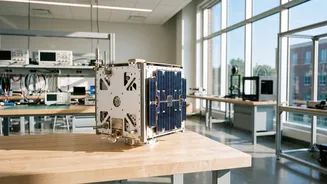
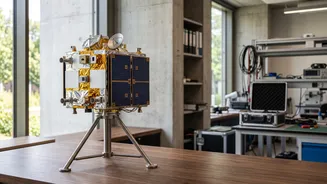
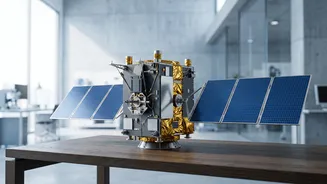
The focus of satellite manufacturing is shifting. While large, multi-year government projects continue, the private sector is driving demand for smaller, cost-effective satellites that can be built and deployed quickly. Startups like Dhruva Space and Pixxel are pioneering private satellite missions in India, creating a need for a new generation of engineers. These professionals work on everything from payload design and systems engineering to the assembly, integration, and testing of smallsats. Roles for aerospace, mechanical, and avionics engineers are plentiful, but they now require a multidisciplinary approach focused on creating lighter, more efficient, and often reusable systems.
Space Cybersecurity Analyst
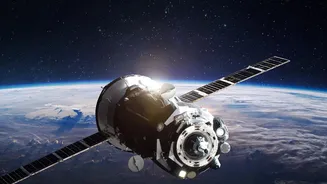
As space becomes more connected and commercialised, the threat of cyberattacks on satellites, ground stations, and communication links is a major concern. A space cybersecurity analyst is responsible for protecting these vital digital assets. With private companies launching their own constellations for communication and earth observation, ensuring the security of space infrastructure is not just a technical requirement but a matter of national security and commercial trust. This role demands expertise in network security, encryption, ethical hacking, and threat detection to safeguard missions from being compromised and data from being stolen.
AI and Robotics Engineer
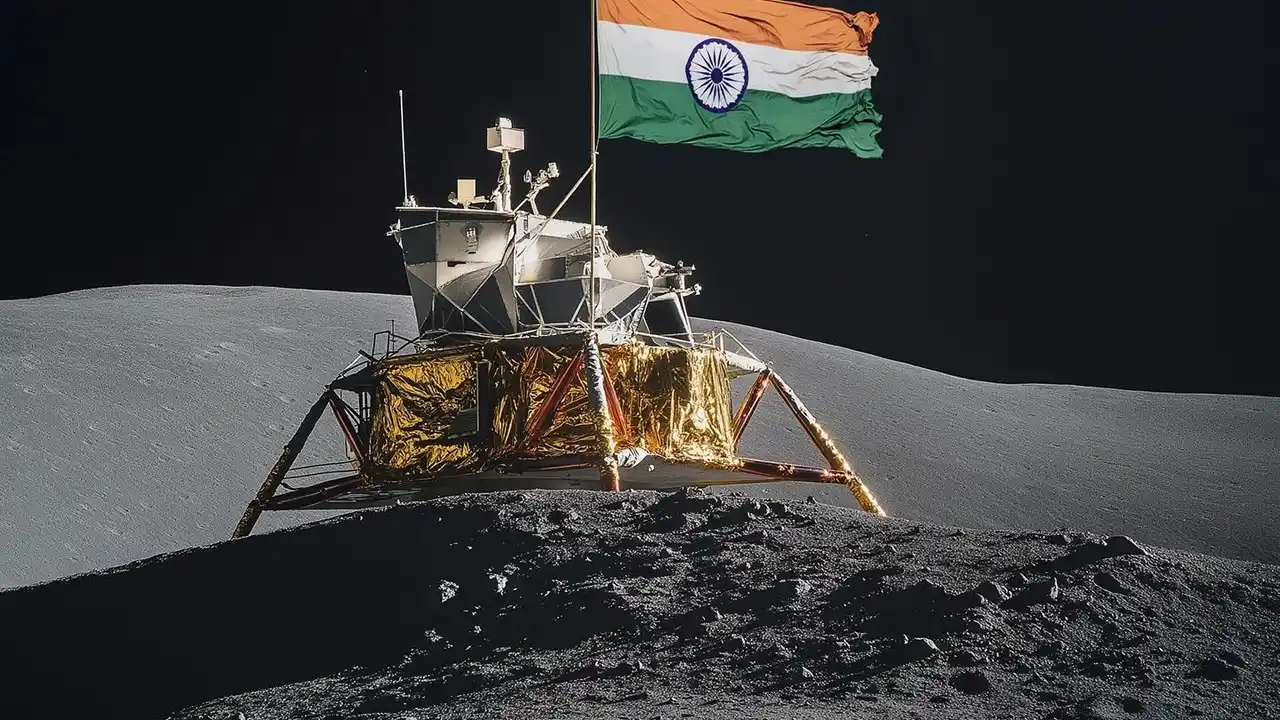
Artificial intelligence and robotics are the engines of modern space exploration. In India, AI specialists develop algorithms for everything from a spacecraft's autonomous navigation and landing systems to the predictive maintenance of critical hardware. They use machine learning to analyse satellite imagery for patterns in weather, agriculture, or urban development. Robotics engineers, meanwhile, build the machines for tasks too dangerous or precise for humans, such as rovers exploring the lunar surface or automated systems for rocket manufacturing. The success of missions like Chandrayaan has highlighted the critical importance of robust robotics, creating strong demand for engineers with skills in mechatronics, C++, and the Robot Operating System (ROS).