






Why Your Resume Isn't Enough Anymore
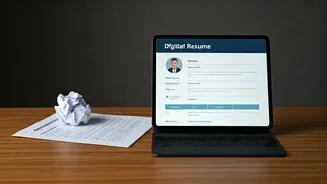
In today's competitive job market, recruiters are shifting from hiring for 'potential' to hiring for 'day-one productivity'. [8] This means they want to see tangible proof of your skills. A resume lists your qualifications, but a portfolio demonstrates
them. According to a recent survey, a staggering 72% of young Indians believe employers expect prior experience even for entry-level roles. [17] This 'experience paradox'—needing experience to get a job, but needing a job to get experience—can be frustrating. [10, 17] However, employers are increasingly prioritizing demonstrated competencies and practical, job-ready skills over academic scores alone. [2] A portfolio of work samples serves as this crucial evidence, showing recruiters how you think, solve problems, and apply your knowledge to real-world tasks. [3]
What Counts as a 'Work Sample'?
A 'work sample' isn't limited to projects from a previous job. It's any tangible piece of work that showcases your capabilities. [9] For tech roles, this could be a coding project on GitHub, contributions to an open-source project, or a web application you built. [2, 7] For designers, it's a portfolio of UI/UX redesigns or personal branding projects hosted on a site like Behance. [3, 13] Aspiring writers can use blog posts, articles on platforms like Medium, or even well-researched sample articles for publications they admire. [9, 10] For marketing freshers, it could be a case study of a fictional campaign or a social media strategy you developed for a local business. [15] Even a detailed presentation of your final year university project can be a powerful work sample if it demonstrates relevant skills. [8]
How to Build a Portfolio with Zero Experience
The key is to stop waiting for a job to start building experience. [3] You have to create your own opportunities. Start a personal project based on your interests; for example, if you're into fitness, design a concept for a new fitness app. [11] Another powerful method is creating 'spec' (speculative) projects. [15] Redesign a website you think has a poor user experience or create a marketing campaign for a brand you admire. [3, 11] Volunteering your skills for a non-profit or a small local business can also provide real-world examples and valuable testimonials for your portfolio. [15, 19] Participating in hackathons, design competitions, or online challenges is another excellent way to create work under realistic constraints and gain exposure. [2, 19] The goal is to have 3-5 strong projects that clearly demonstrate your skills, rather than a large quantity of mediocre ones. [3]
Showcasing Your Work Effectively
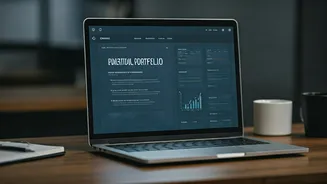
Once you have your samples, you need to present them professionally. A personal website is a great central hub for your portfolio. [13] Platforms like LinkedIn, GitHub, Behance, or even a well-organized Google Drive folder can also work. [13, 18] The important thing is to make it public and easily accessible. Include links to your portfolio in your resume header, your LinkedIn profile, and even your email signature. [18] When describing your projects, don't just show the final result. Explain your process. [3] What was the problem you were trying to solve? What steps did you take? What was the outcome? This shows hiring managers your thought process and problem-solving abilities, which are often more valuable than the finished product itself. [14]