


Chiricahua National Monument, Arizona
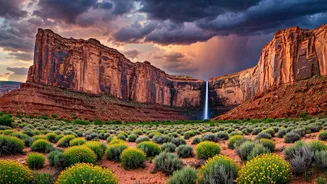
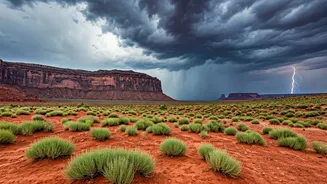
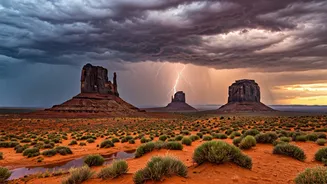
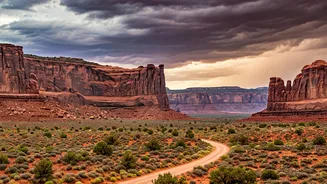
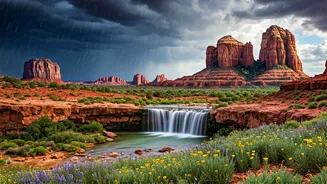
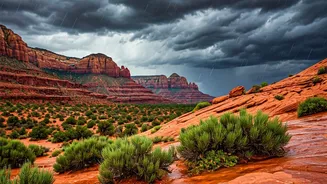
Known as a “Wonderland of Rocks,” this remote sky island in southeastern Arizona is transformed by the monsoon. The summer rains wash over the towering rhyolite hoodoos, deepening the colors of the lichen-covered rock to brilliant greens and oranges.
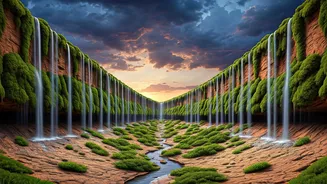
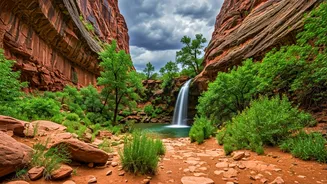
What are dry, dusty trails for most of the year can suddenly feature ephemeral waterfalls cascading down the canyon walls. The drive here is long, but the reward is solitude and a landscape that feels prehistoric and alive. After a storm passes, the clouds often part to reveal a spectacular sunset, with light catching the wet stone pinnacles and turning them to gold. It’s a photographer’s dream and a hiker’s quiet paradise, far from the crowds of Arizona’s more famous parks. Just be sure to check the forecast; the same rains that bring beauty can also bring flash floods and lightning.
Organ Mountains-Desert Peaks, New Mexico
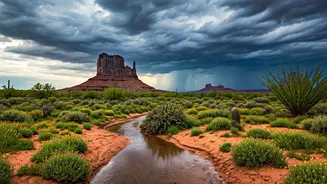
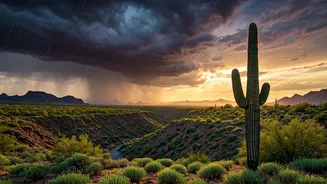
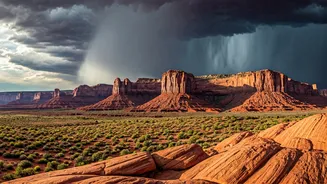
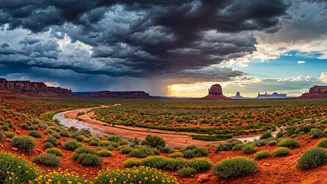
Just east of Las Cruces, the Organ Mountains are a jagged spine of rock that seems to tear at the sky. During the monsoon season, from July to September, they become a stage for meteorological drama. Storms build quickly, with dark clouds snagging on the needle-like spires. The experience isn't about hiding from the rain but watching it approach from a safe distance. You can see the curtains of rain sweeping across the Chihuahuan Desert floor miles away. When the storm hits, the temperature can drop 20 degrees in minutes. Afterward, the high-desert landscape is reborn. Wildflowers you wouldn't expect to see erupt in color, and the air is scrubbed clean, offering crystal-clear views of the Mesilla Valley below. It’s a raw, powerful display of nature that reminds you of the desert's hidden vibrancy.
Jemez Mountains, New Mexico
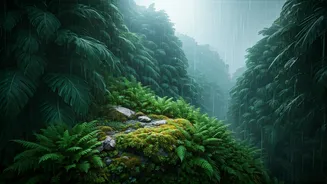
While many associate monsoons with stark desert, the Jemez Mountains offer a different flavor: rain-soaked pine forests and red-rock canyons. The drive along the Jemez Mountain Trail National Scenic Byway is an event in itself, winding past ponderosa pines, Gilman Tunnels, and the stunning Valles Caldera. During a summer storm, mist clings to the forested slopes and the scent of wet pine and earth is intoxicating. The rain feeds the Jemez River, making its gentle flow more robust, and replenishes the natural hot springs that dot the area. This is the monsoon at its most refreshing—a cool, green respite. Find a spot near Battleship Rock to watch the clouds roll in over the canyon, or witness the steam from the volcanic caldera mix with the low-hanging rain clouds for a truly ethereal scene.
The Waterpocket Fold, Capitol Reef National Park, Utah
Capitol Reef is often overshadowed by Utah’s other Mighty 5 parks, making it the perfect “secret” spot. Its defining feature, the Waterpocket Fold, is a nearly 100-mile-long warp in the Earth's crust. This unique geology is practically designed for monsoon season. The deep canyons and rock “pockets” are engineered to collect and channel water. A sudden downpour can trigger dozens of waterfalls that appear from nowhere, gushing down the sandstone cliffs. These flash floods are incredibly dangerous and must be respected—never enter a narrow canyon when rain is in the forecast. But viewed from a high, safe vantage point like the Goosenecks Overlook, the spectacle is breathtaking. The contrast of surging, temporary waterfalls against the park’s permanent, multi-colored rock layers is an unforgettable sight that few visitors ever get to witness.