


The Gourd Family: Light and Hydrating
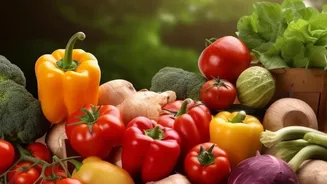
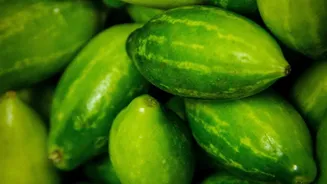
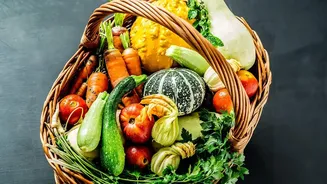
Gourds are a cornerstone of Shravan cooking, celebrated for being light on the stomach and easy to digest, which is ideal as Ayurveda suggests our digestive fire is weaker during the monsoon. Bottle gourd (lauki), ridge gourd (turai), and pumpkin (kaddu)
are all in their prime. These vegetables are incredibly versatile and absorb the flavours of mild spices like cumin and black pepper beautifully, making them perfect for simple curries and soups without the need for onion or garlic. Lauki, in particular, is known for its hydrating properties and is a fasting favourite.
Essential Root Vegetables for Energy
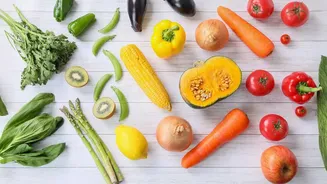
Root vegetables are essential for providing sustained energy, especially when observing fasts. Sweet potato (ratali) and colocasia (arbi) are excellent choices. Sweet potatoes offer complex carbohydrates and a natural sweetness, making them suitable for both savoury dishes and simple roasted snacks. Potatoes are another staple, often used in classic vrat preparations like sabudana khichdi or simple jeera aloo, cooked with rock salt (sendha namak). These vegetables are filling, nutritious, and adhere to the principles of a Shravan diet.
Monsoon Greens: Handle with Care
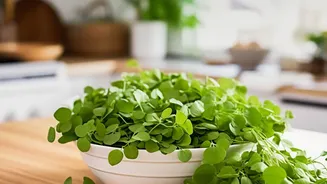
While leafy greens are packed with nutrients, they require extra care during the monsoon due to the increased presence of microbes. It's crucial to wash them thoroughly. Amaranth leaves (rajgira bhaji) are an iron-rich powerhouse, vital when meat is avoided in the diet. Spinach (palak) is another great option. A simple stir-fry with minimal spices and a dash of coconut can make for a quick and nutritious meal. It is best to cook these greens well rather than consuming them raw.
The Season's Best Fruits
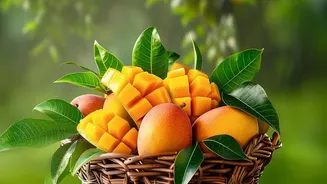
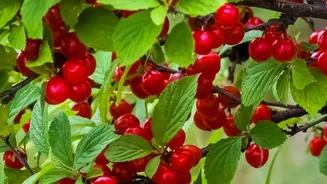
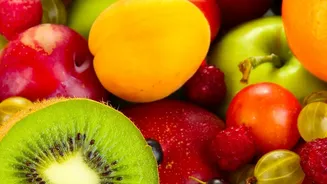
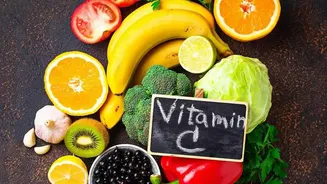
Monsoon brings a delightful array of fruits that are perfect for Shravan. Jamun (Indian blackberry) is a seasonal star, known for its deep purple colour and benefits in controlling blood sugar levels. Peaches, plums, and cherries are also at their peak, offering a sweet and tangy flavour profile packed with antioxidants. These fruits serve as excellent natural desserts and immunity boosters during a season known for infections. Pears (nashpati) and pomegranates (anar) are other wonderful additions, providing fibre and essential vitamins.
Versatile Staples: Corn and Cucumber
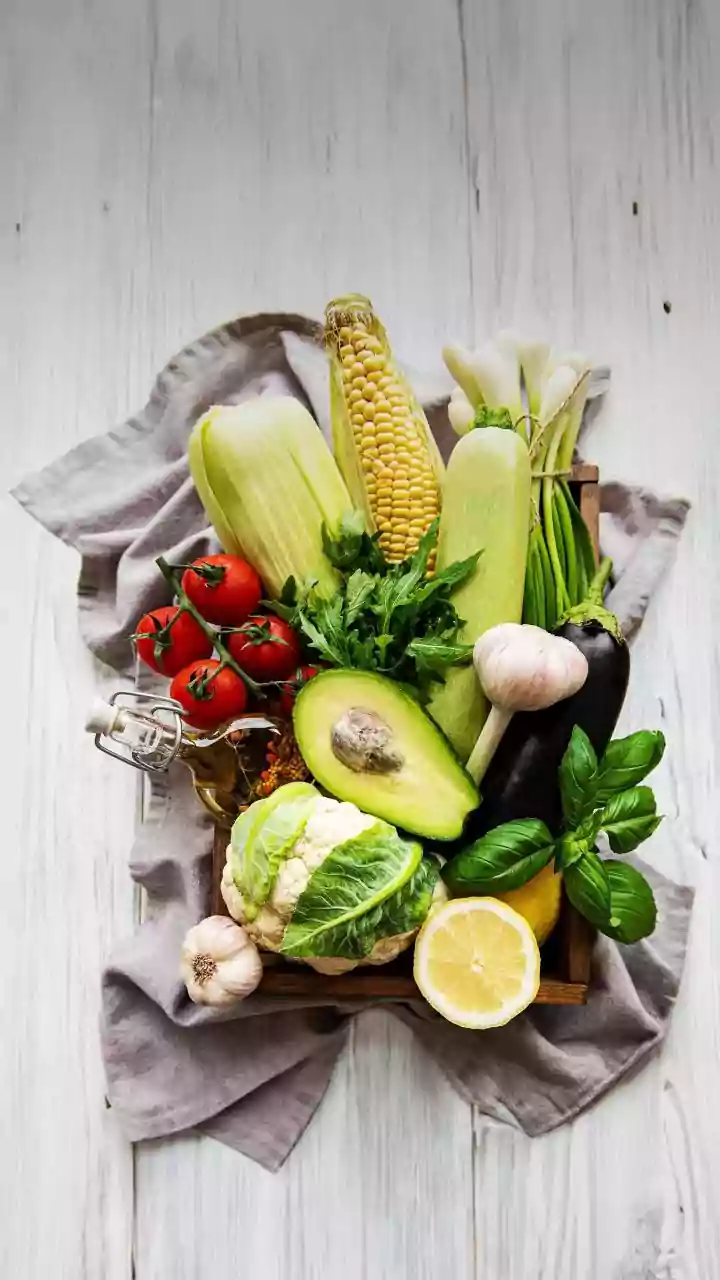
Corn (bhutta) is synonymous with the Indian monsoon and makes for a healthy, fibre-rich snack. Simply roasted and seasoned with lime and rock salt, it's a satisfying treat. Cucumber is another Shravan-friendly vegetable, valued for its hydrating properties. It can be eaten raw in salads, like a simple cucumber and peanut mix, or used in raitas to provide a cooling balance to the meal. Both are light, refreshing, and align perfectly with the Sattvic diet principles followed during this holy month.