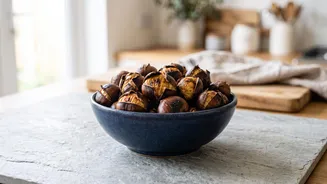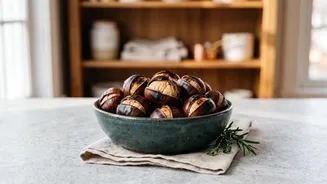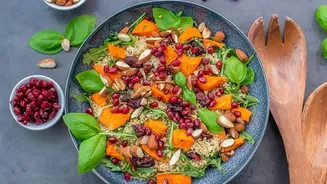



When the weather turns cool, our salads can get a bit predictable. But what if a single ingredient could transform them into a satisfying, deeply flavourful meal? Enter the roasted chestnut, a humble hero ready to add a sweet, textural magic.
Why Chestnuts Are Winter's Secret Weapon
Unlike other
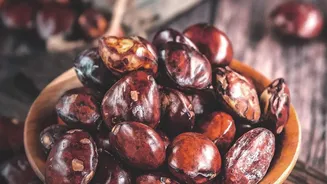
nuts, chestnuts have a unique texture that’s soft and crumbly rather than hard and oily. Their flavour is distinctly sweet and earthy, a perfect counterpoint to hearty winter ingredients. Botanically, they are a fruit, and this unique profile makes them a standout addition. They are also lower in fat and calories than many other nuts and are a good source of fibre and antioxidants. This combination of taste, texture, and nutrition makes them an ideal candidate for elevating a simple grain salad from a side dish to a main event.
Roasting Chestnuts to Perfection
Roasting your own chestnuts is easier than you might think and fills your kitchen with an incredible aroma. Start by preheating your oven to around 200°C (400°F). Using a sharp paring or serrated knife, carefully score a large 'X' on the flat side of each chestnut. This is crucial as it allows steam to escape, preventing them from bursting. Some cooks recommend soaking the scored chestnuts in water for about 20-30 minutes before roasting, which helps the nut separate from the shell later. Place the scored nuts on a baking sheet and roast for 15 to 30 minutes. You’ll know they’re done when the shells pull back from the 'X' and the nut inside is tender. Let them cool just enough to handle, then peel away the hard outer shell and the papery inner skin while they're still warm.
The Best Grain Foundations
The key to a great grain salad is a base with a satisfying, chewy texture that can stand up to dressing and toppings. For chestnuts, you want grains with a nutty, earthy profile. Farro, with its hearty chew, is an excellent choice. Wheat berries are also a wonderful option, offering a toothsome bite that complements the softer chestnut. Other great alternatives include barley, bulgur, and wild rice, all of which provide a robust foundation for your winter creation. These grains absorb dressings well without becoming mushy, ensuring every bite is flavourful.
Building a Flavourful Palette
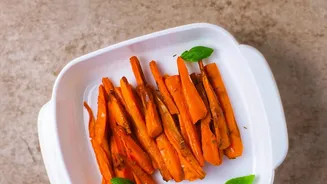
With your chestnuts roasted and grains cooked, it’s time to build your salad. The sweet, earthy flavour of chestnuts pairs beautifully with a wide range of ingredients. For a touch of sweetness and acidity, add dried fruits like cranberries, cherries, or figs. For a savoury, tangy element, incorporate cheeses like crumbled goat cheese, feta, or even a sharp blue cheese like Gorgonzola. Roasted winter vegetables, such as butternut squash, parsnips, or Brussels sprouts, add depth and complexity. Finally, for freshness and a peppery bite, toss in some arugula or kale.
A Dressing to Tie It All Together
The right dressing will harmonise all the different flavours and textures in your salad. Given the sweetness of the chestnuts and any added fruit or roasted vegetables, a vinaigrette with a sharp, acidic base is often the best choice. A simple dressing made with apple cider vinegar, Dijon mustard, and olive oil works wonderfully. A balsamic vinaigrette can also provide a lovely tangy counterpoint. For something a bit different, a lemon-tahini or a pomegranate-based dressing can add an unexpected and delicious dimension. Whichever you choose, the goal is to balance the rich, earthy components with a bright, zesty finish.